
Milan Design Week 2026
Milan Design Week has been one of the major sources of inspiration for Lifestyle Si studio since 2013.
It’s an annual event that I always look forward to visiting. This year, I fully immersed myself in the entire week and wanted to share what inspired me most, along with some of the ideas, atmospheres, and design dreams I discovered throughout the trip.
This is not a typical trend report. Lifestyle Si is not a studio driven purely by trends, but Milan still offers a fascinating glimpse into how people want to live, gather, rest, and experience beauty today.
It has been three years since my last Milan Design Week review from 2023, so it felt interesting to reflect on what has evolved, what has disappeared, and how my own interests and perspectives have shifted over time.
If you’re interested in my previous review from MDW 2023, you can read it here.
Here are 14 things that inspired me and that I’ll probably interpret into my studio practice sooner or later.
Silver-Toned Metals
Silver-toned metals feel much more present at the moment than warm metallic finishes.
Although I had already noticed this shift for quite some time, I personally wasn’t very fond of the trend, especially when applied to large surfaces or architectural volumes such as wall cladding or built-ins in residential spaces. In homes, it often felt too cold and minimalistic for me, although I’ve always appreciated it more in commercial environments.
Instead, I preferred silver-toned finishes in smaller decorative objects such as trays, vases, or floating shelves. Especially vintage pieces with patina — those I absolutely love. But I still hesitated to introduce colder surfaces more dominantly into living spaces.
This year, however, Milan opened up my imagination in many ways.
When silver-toned metals take on softer, rounded forms rather than sharp geometries, they create a beautiful contrast when paired with warm materials such as wood, fabric, and textured surfaces.
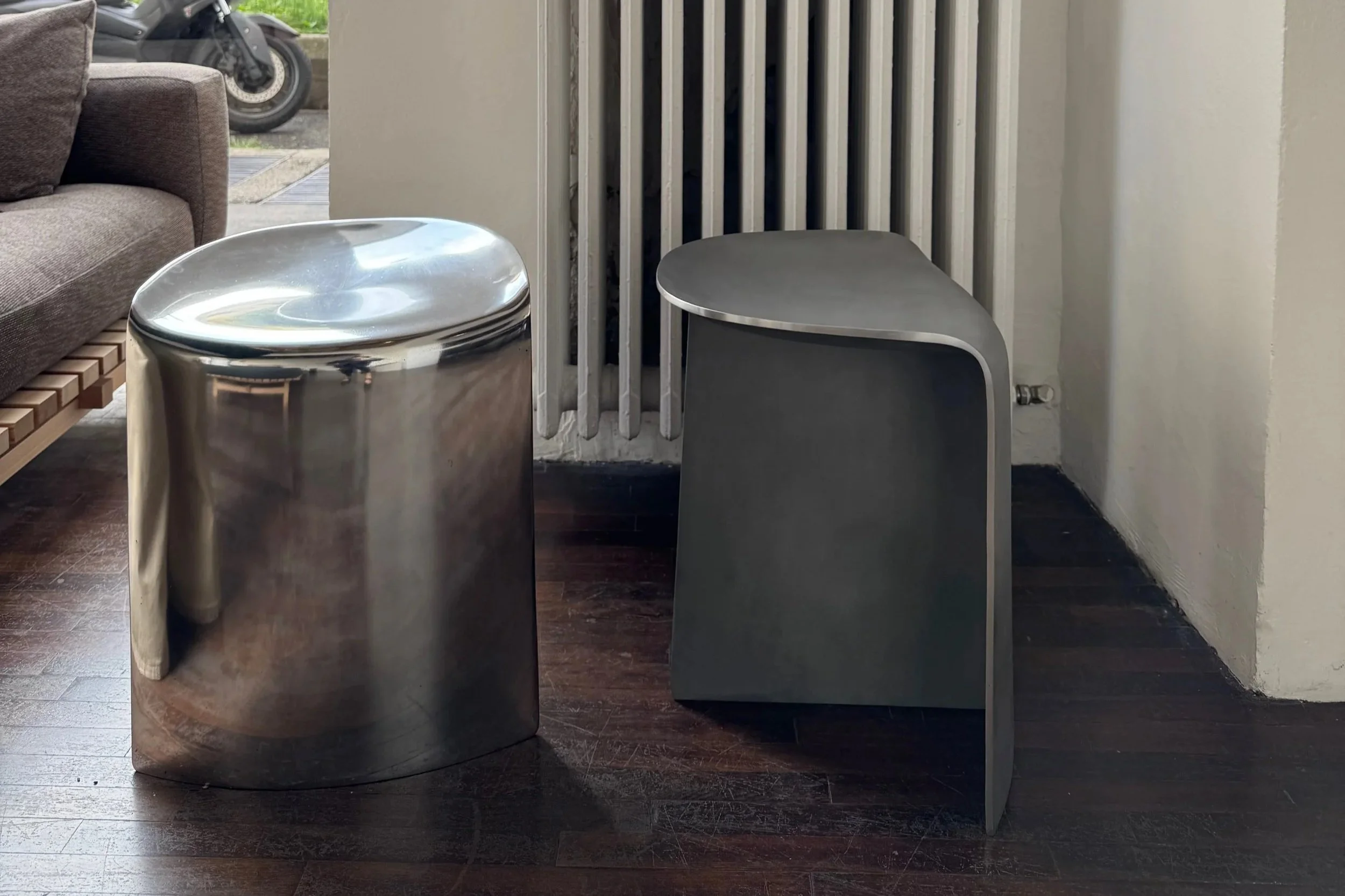
The combination of stainless steel, textiles, and shoji paper softened the hardness of the metal and created a much warmer atmosphere.
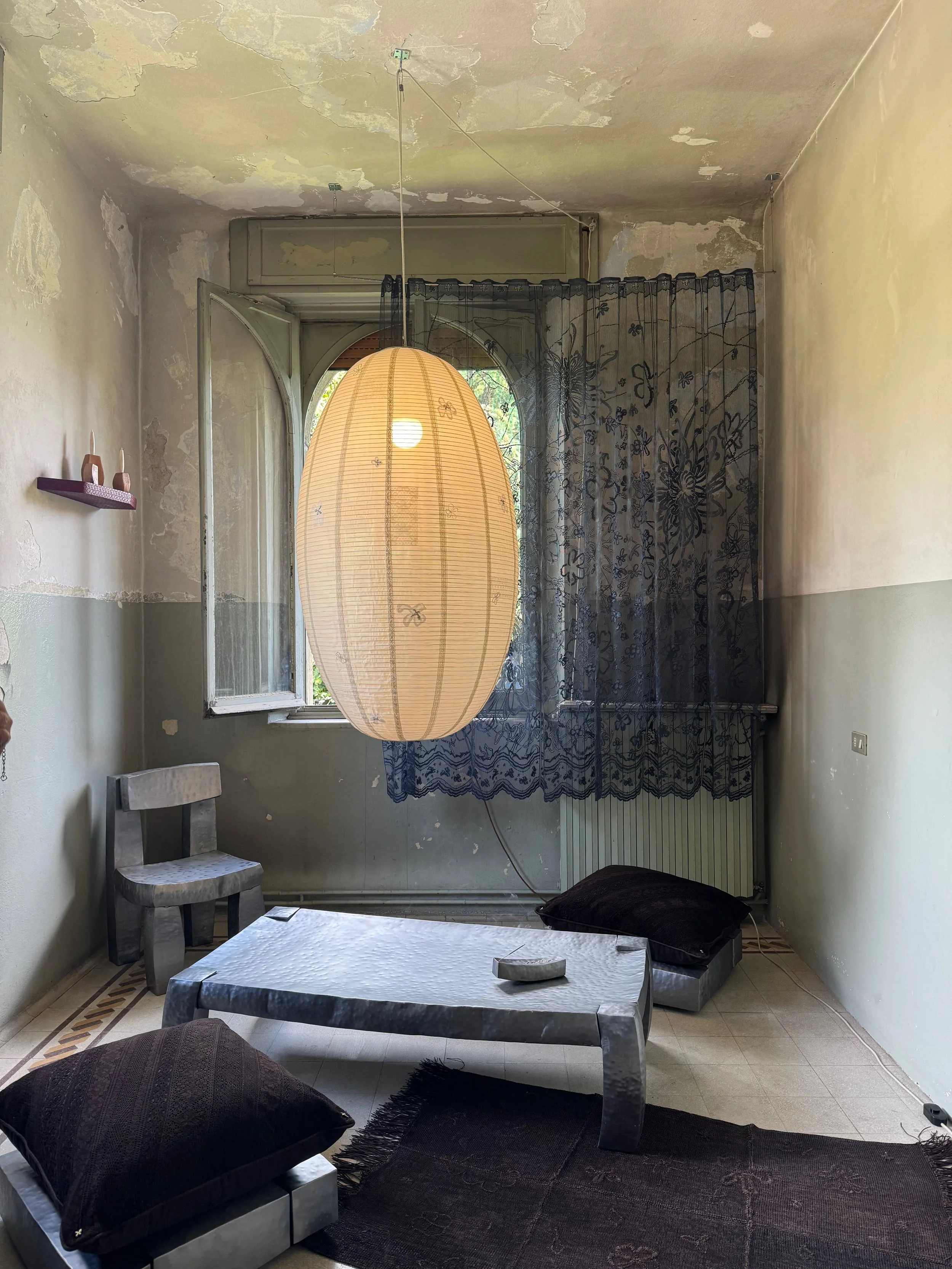
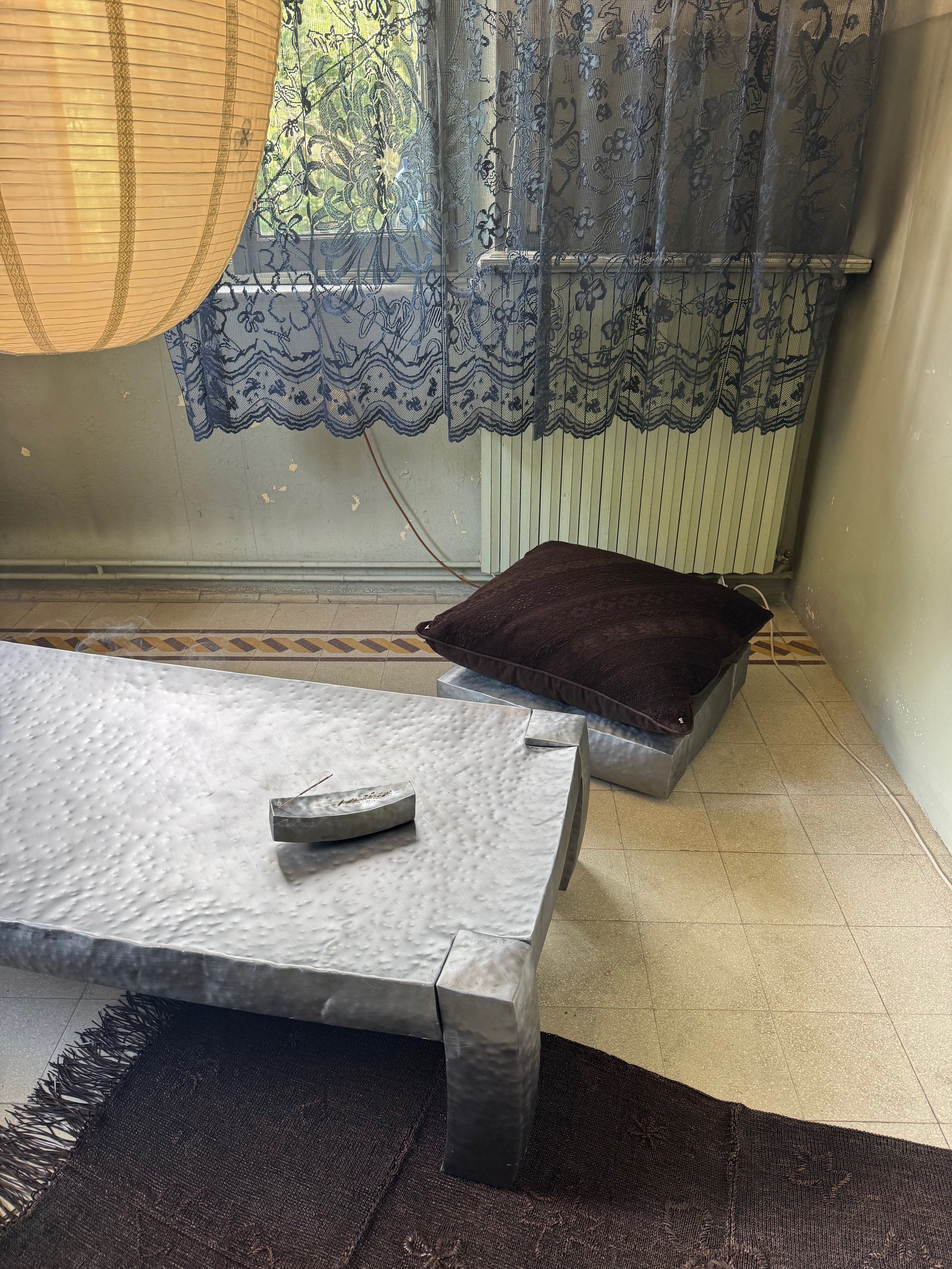
Also, whimsical accents and softer detailing prevented the steel from feeling too serious or overly industrial.
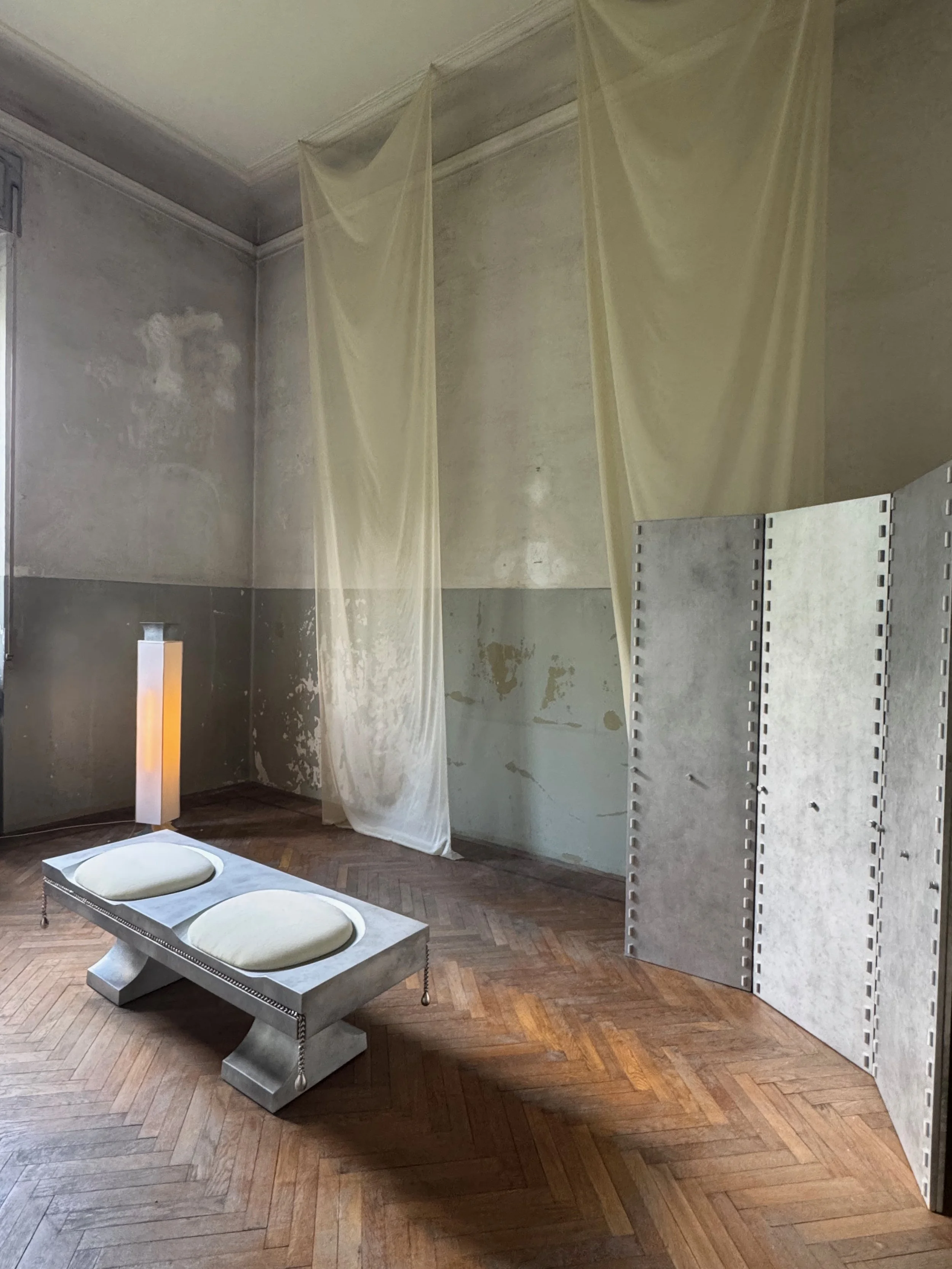
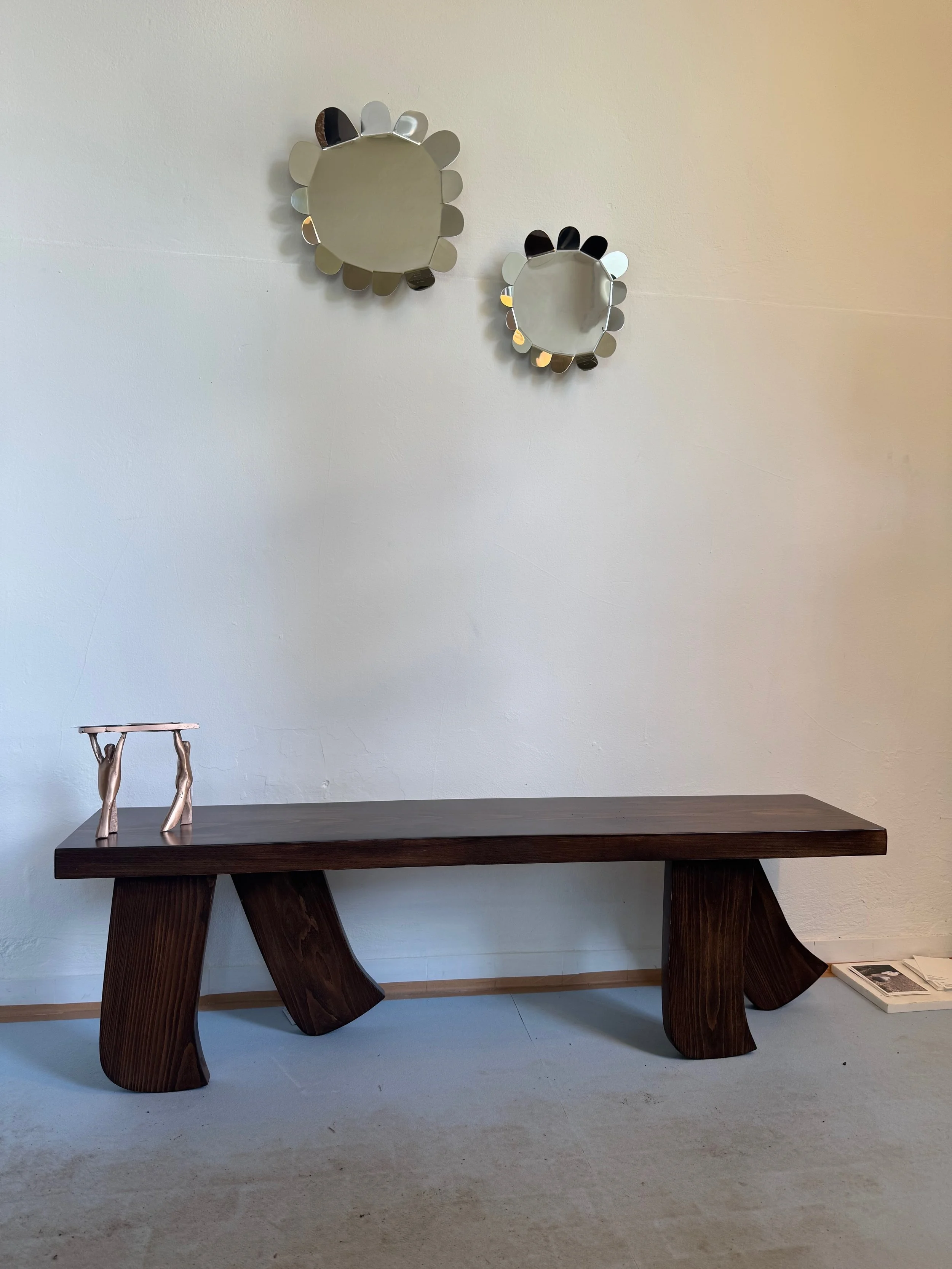
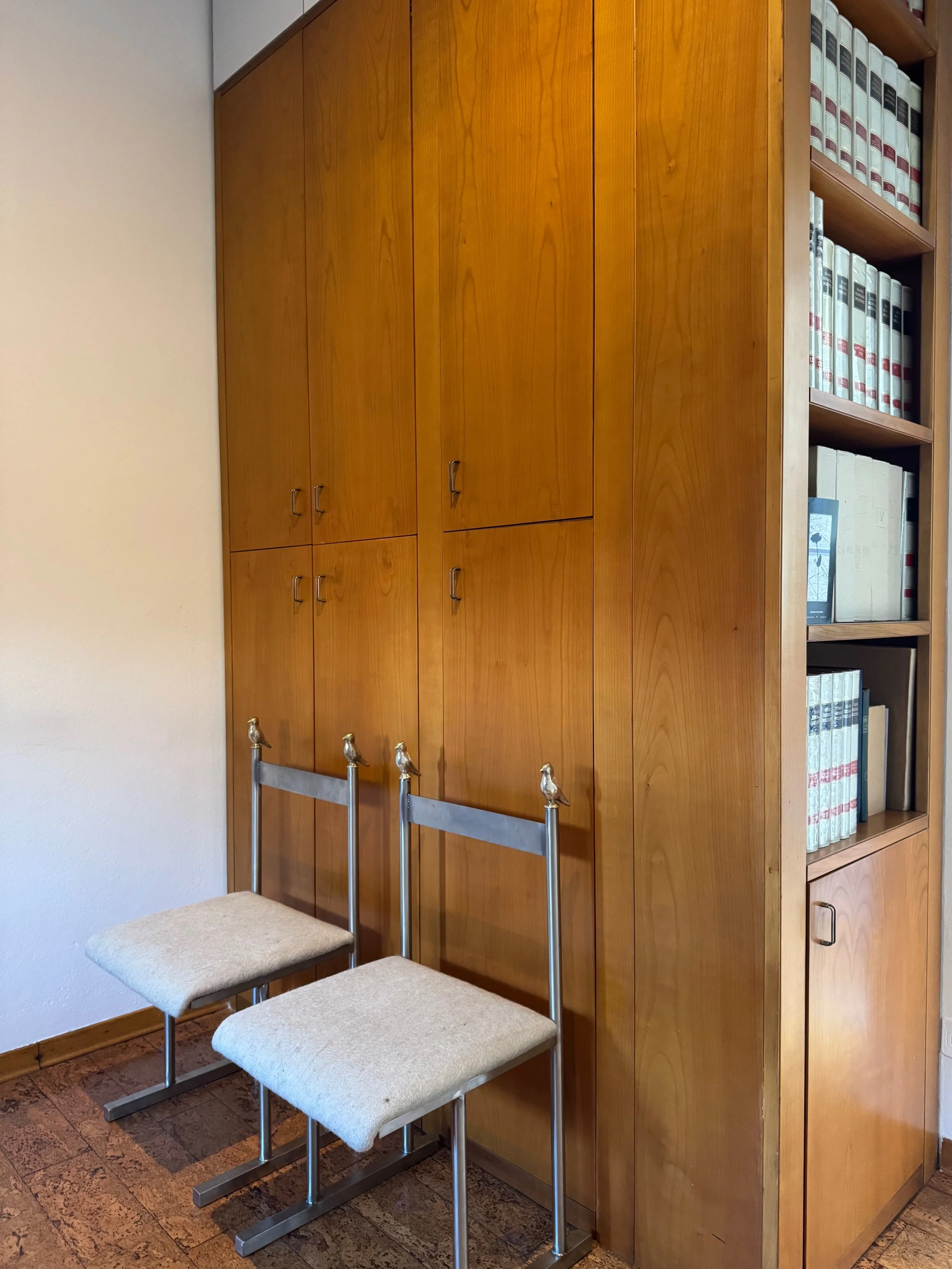
Many brands presented stainless-steel finishes in deeper charcoal-like tones with beautifully textured surfaces. These more nuanced finishes made me reconsider how silver-toned materials could work beautifully in residential environments as well.
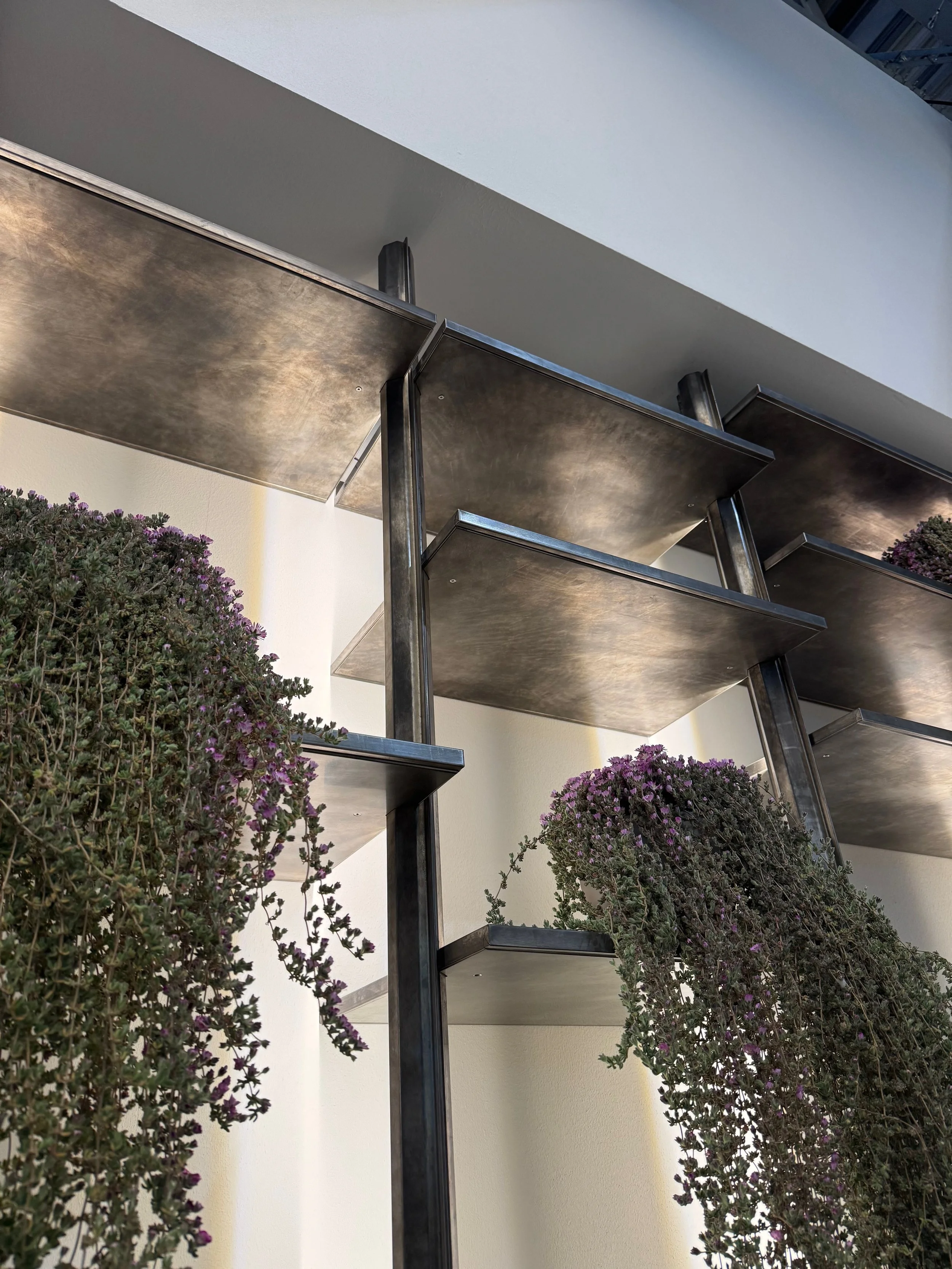
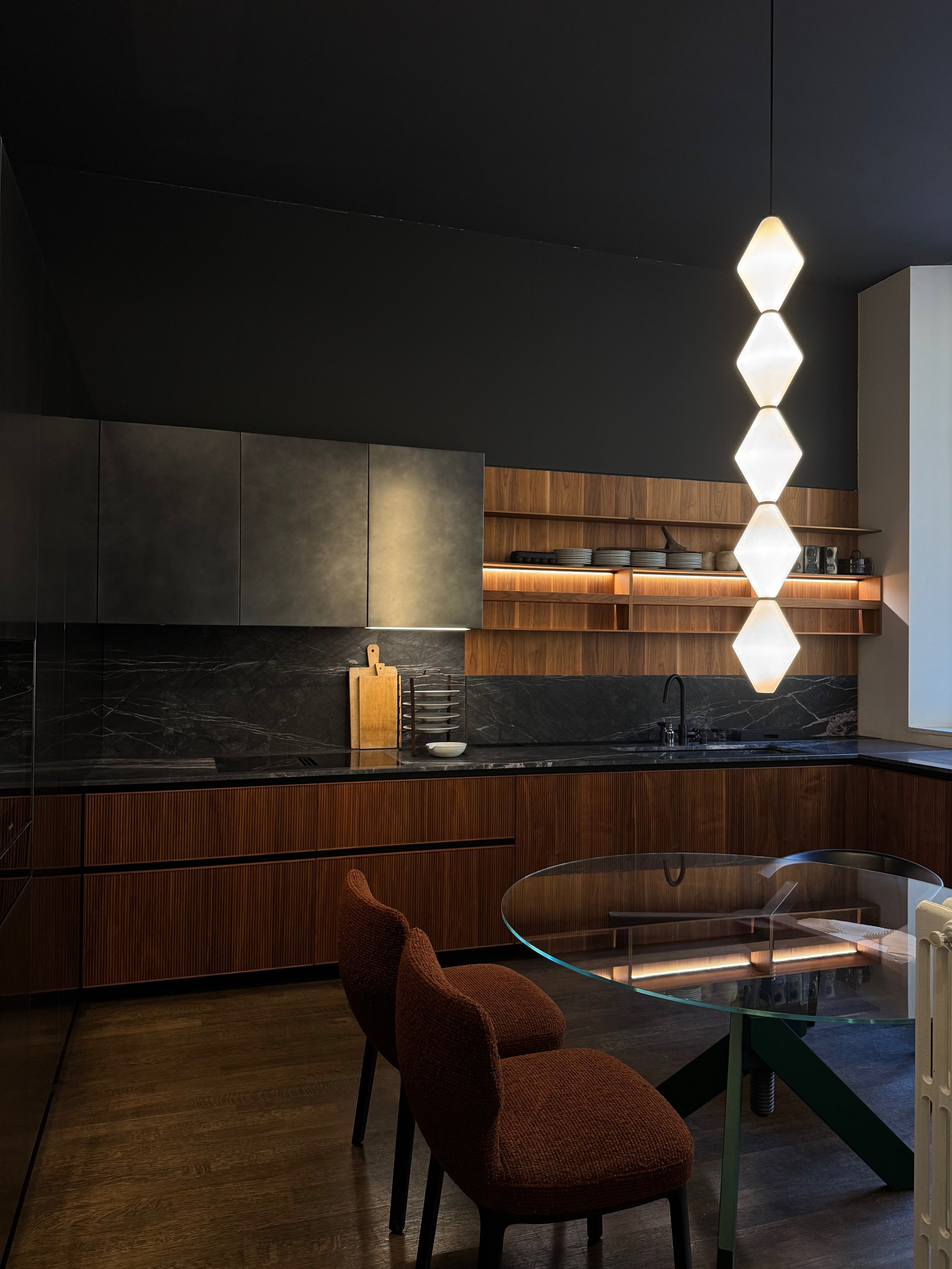
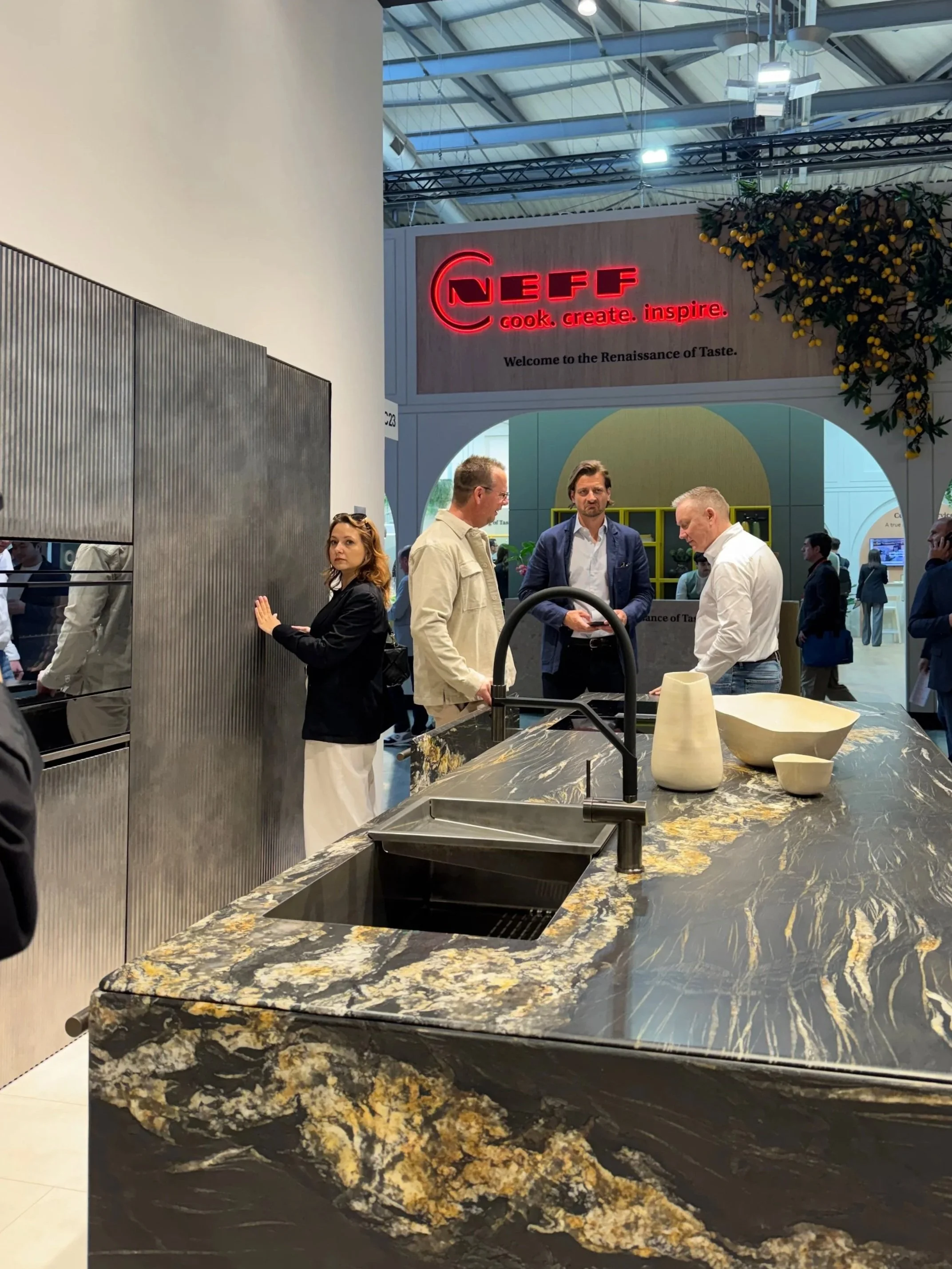
This is one example of how I experience trends that I initially wasn’t very fond of. Seeing materials and spaces in person often expands my perspective and helps me discover how to reinterpret ideas in a way that feels authentic to my own design language.
Fabrics That Instantly Soften a Space
Textiles are one of the most powerful ways to soften a space through texture, atmosphere, and colour.
Recently, I’ve been wanting to use more textiles beyond cushions and curtains — not only for upholstered furniture, but also for lampshades, wall applications, and custom details. Before Milan, I thought I would mainly explore stronger patterns and decorative fabrics.
But this year, I realised once again how beautiful monochromatic fabric can be when used architecturally and beyond simple decorative elements.
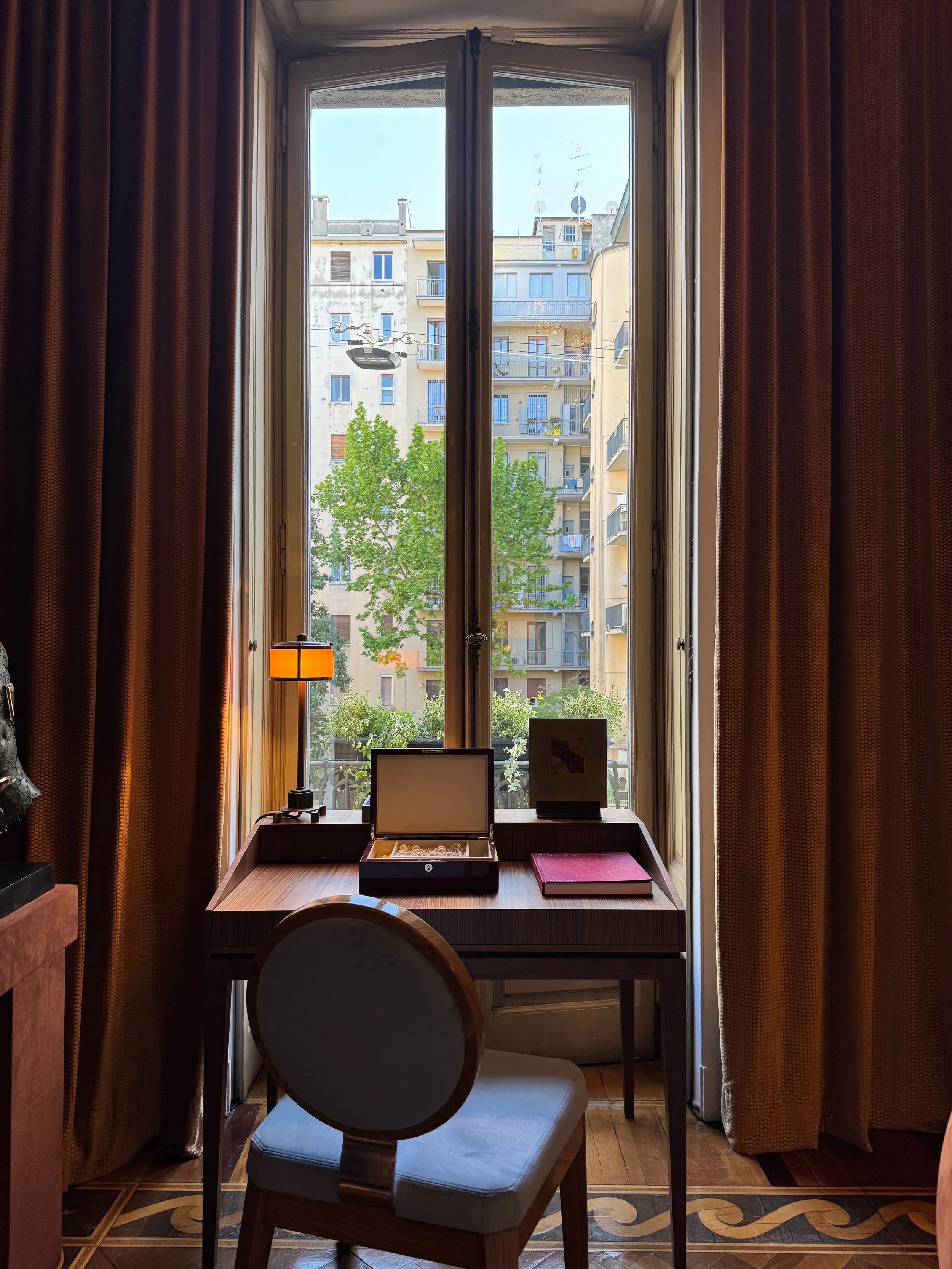
For example, bed canopies completely captured my attention. Even the simplest white fabric can transform sleep into something almost dreamlike and cocooning.
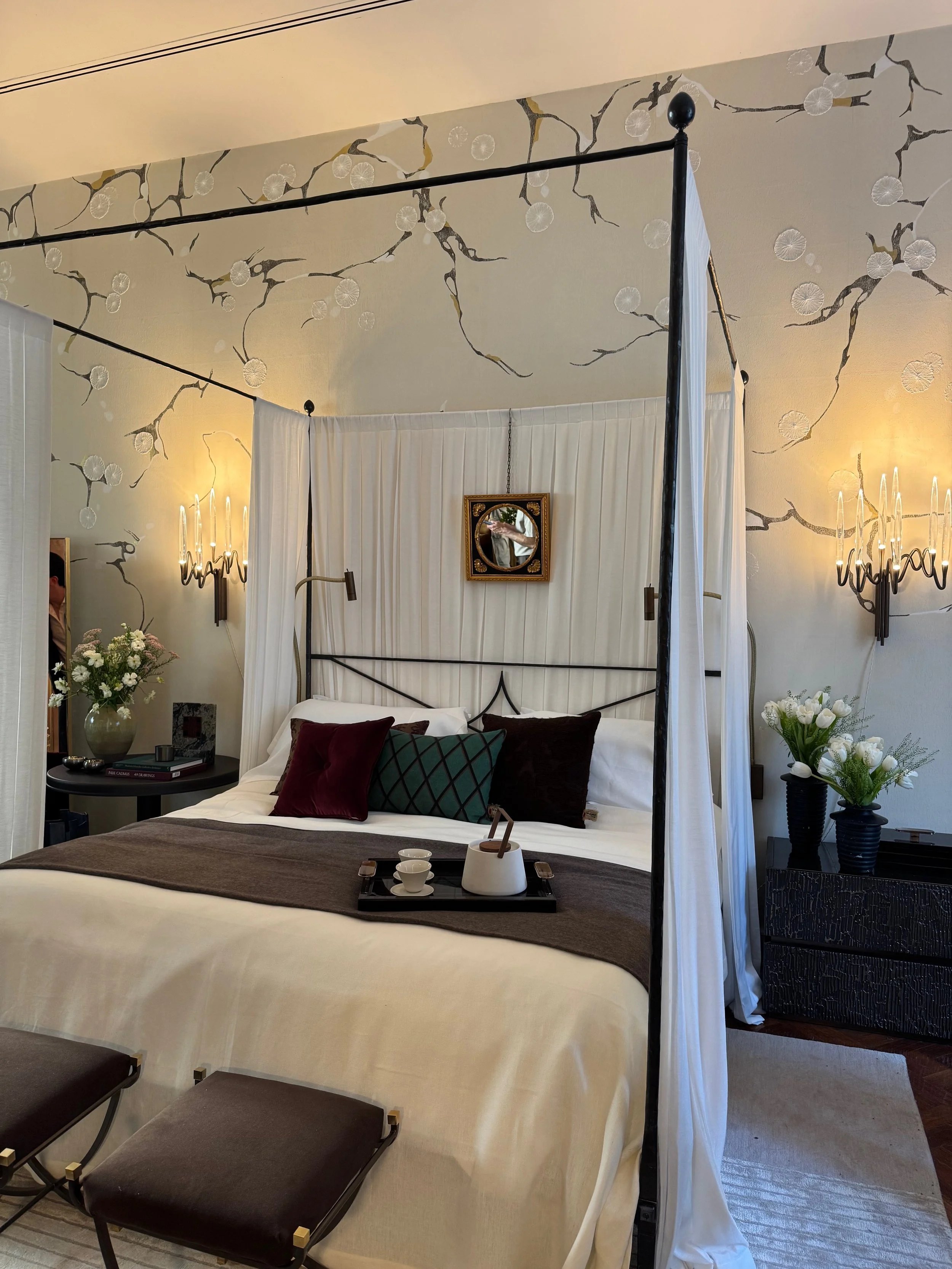
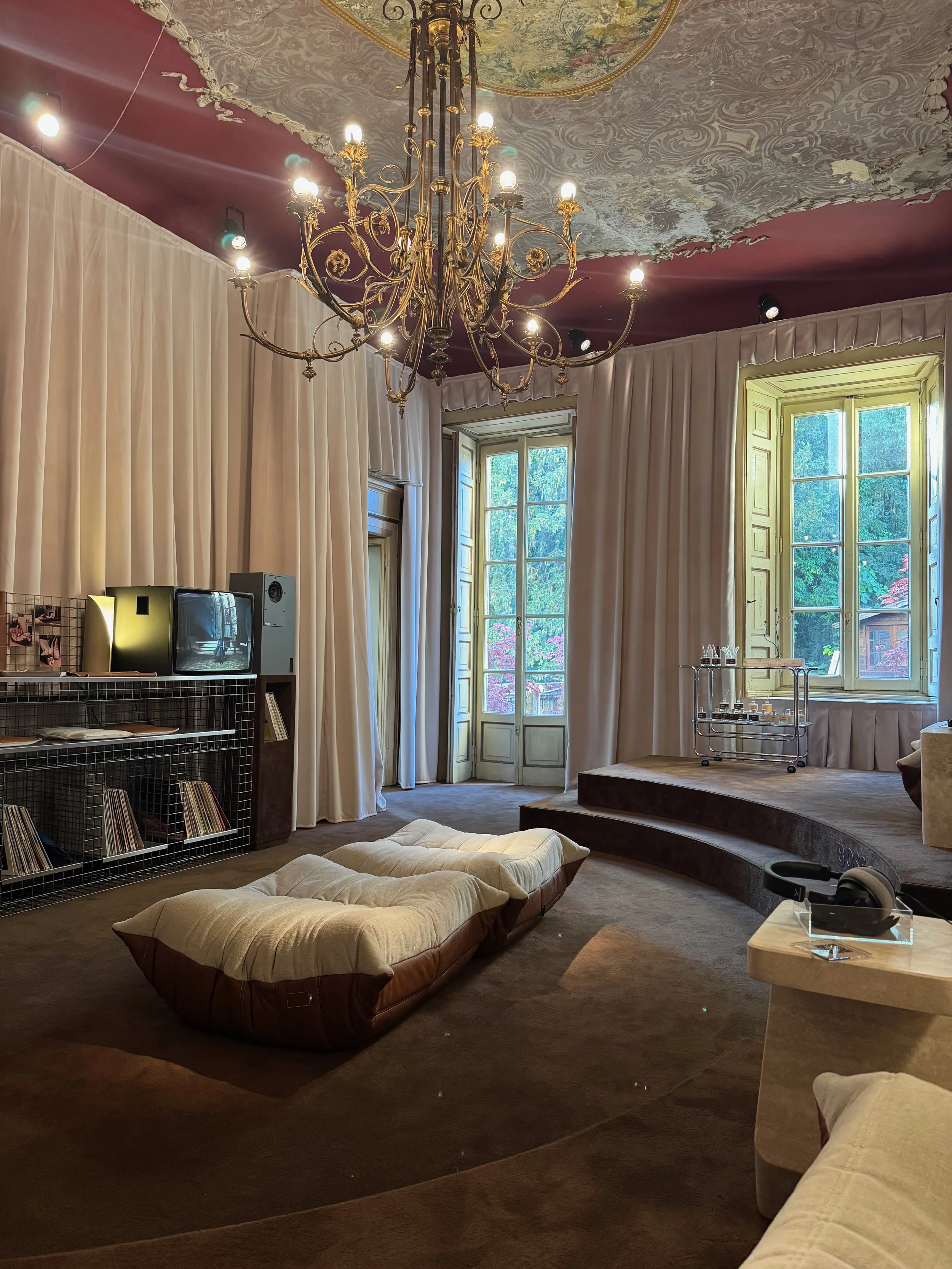
Floor-to-ceiling textile applications surrounding an entire room also created an incredibly immersive and soothing atmosphere, especially in spaces such as home cinemas or dramatic salons.
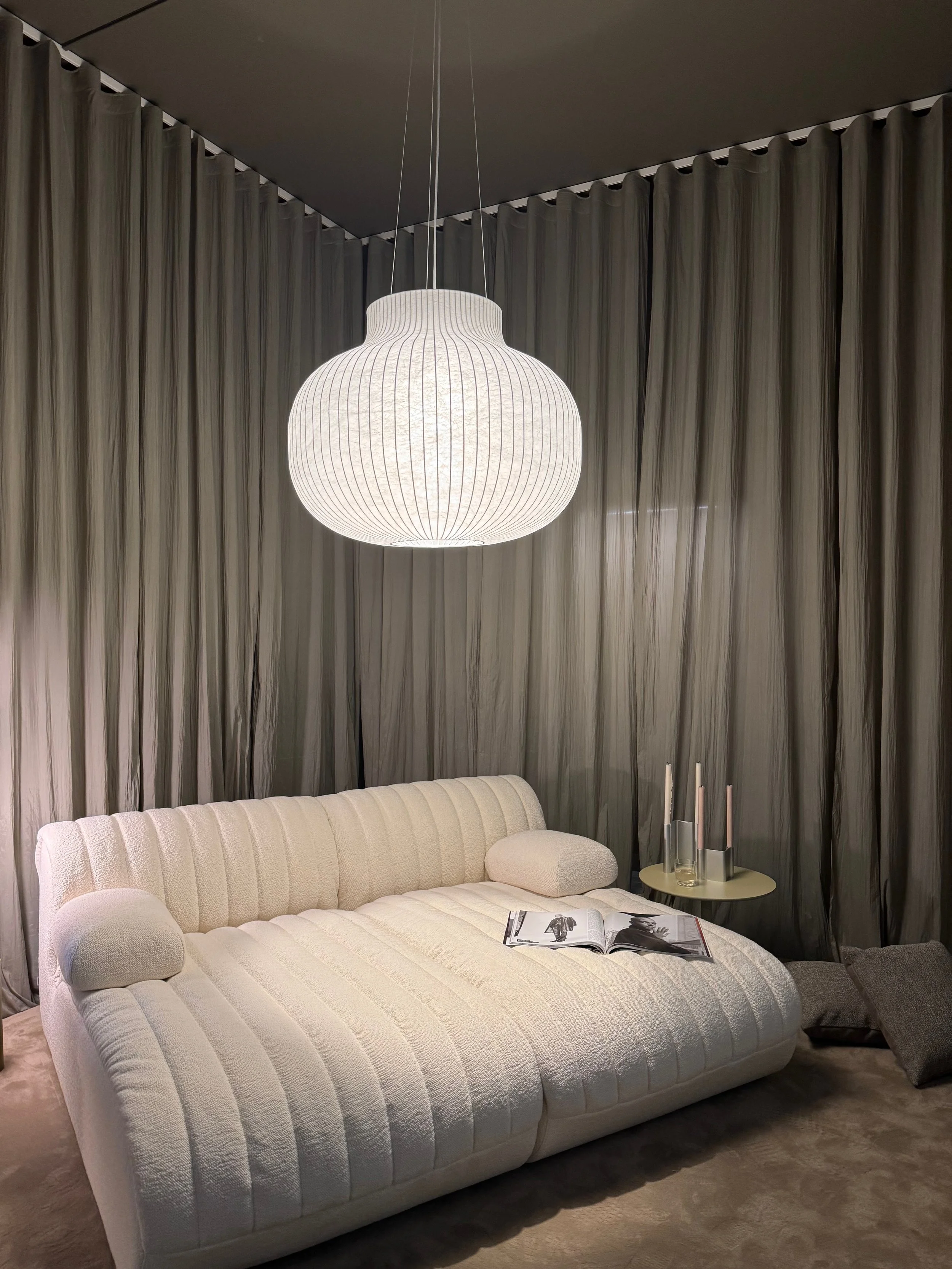
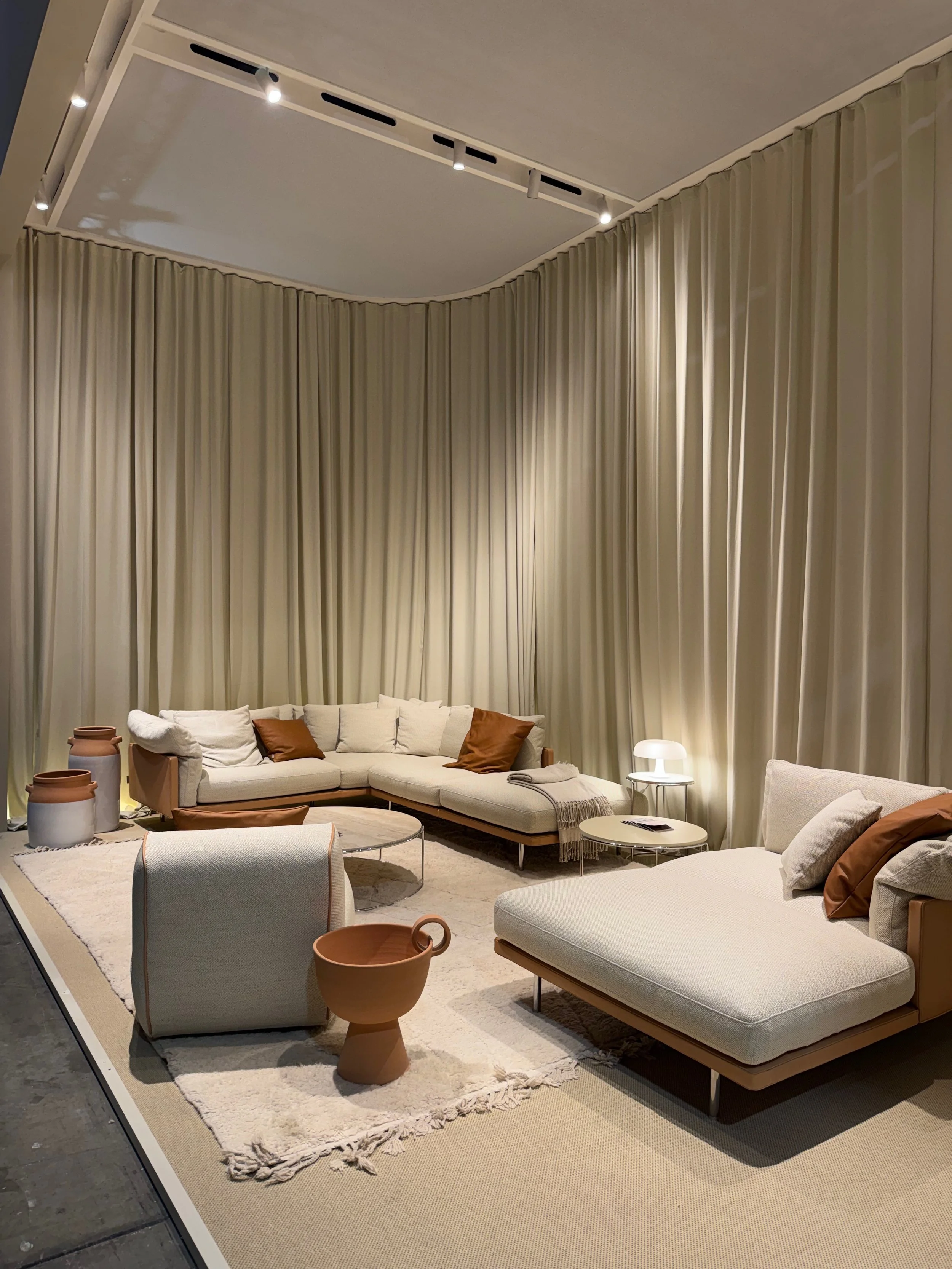
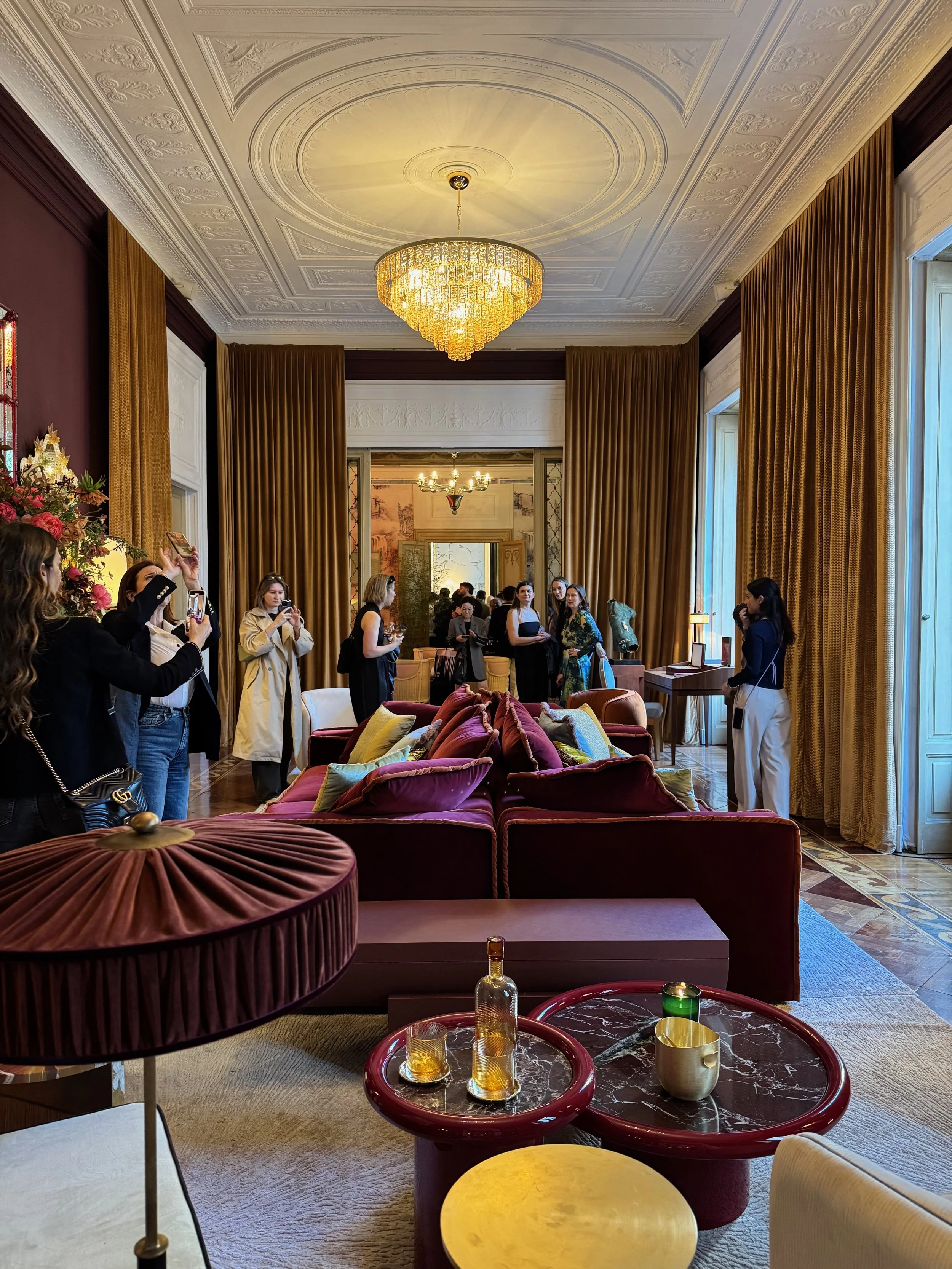
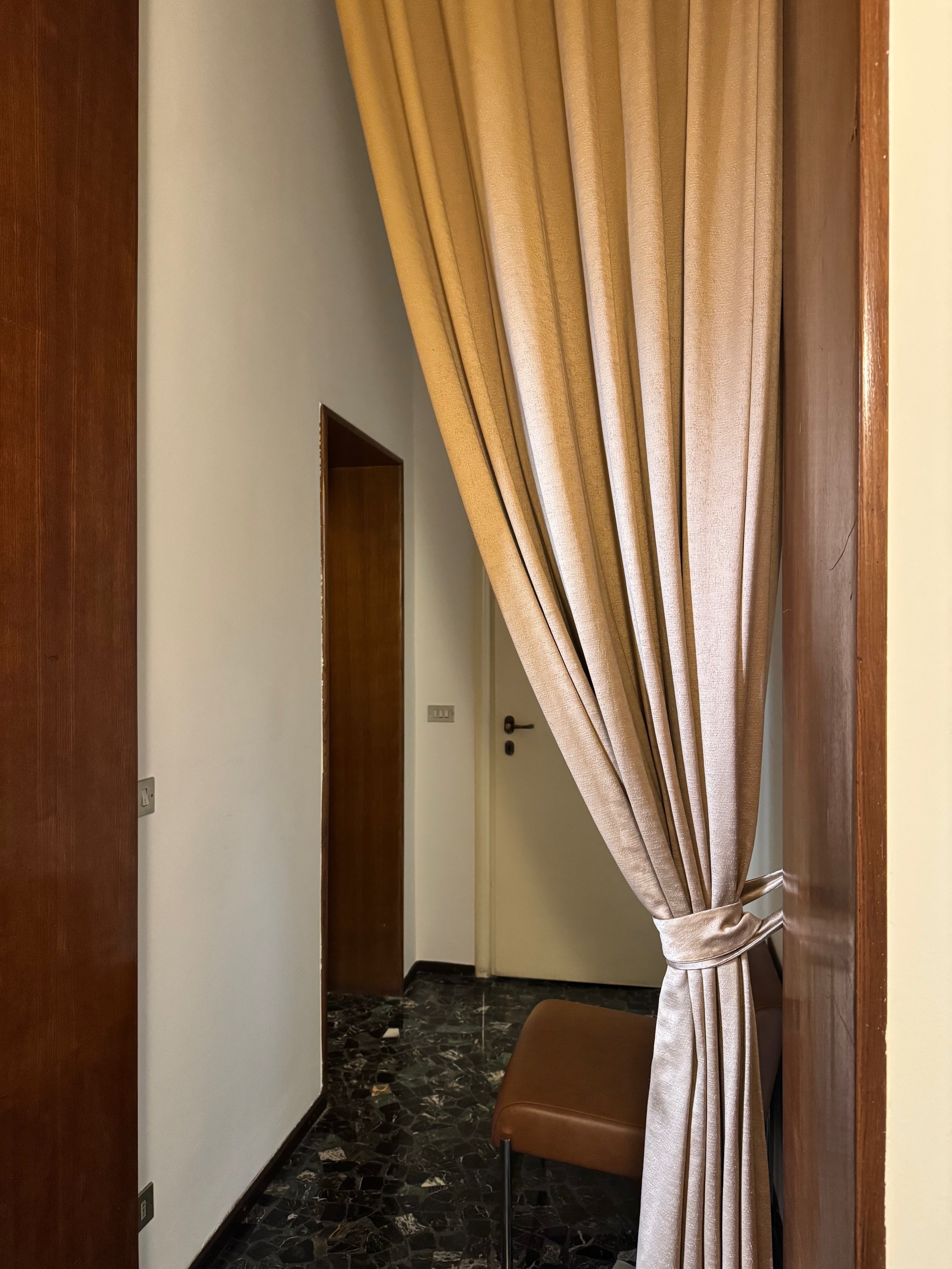
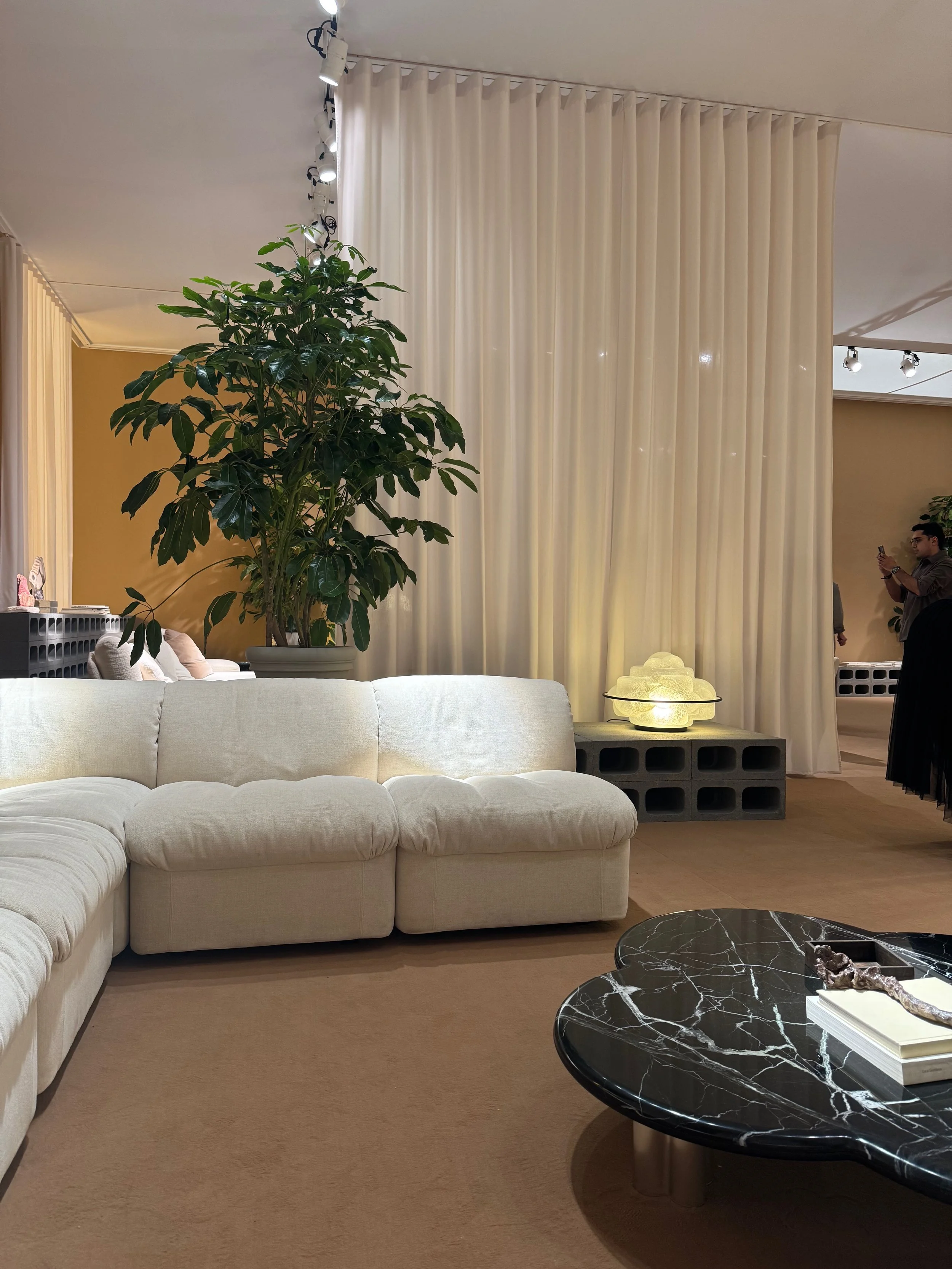
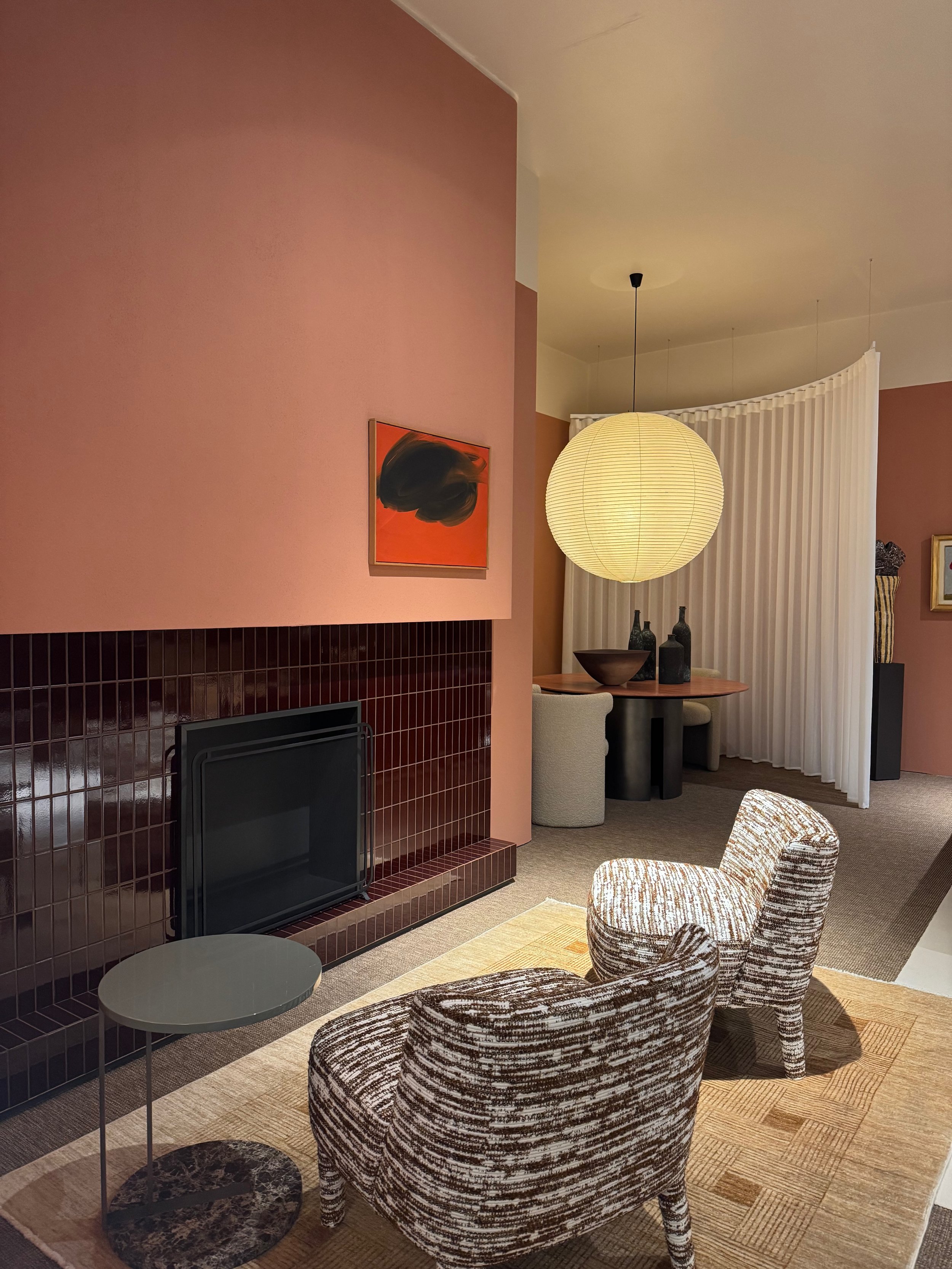
If fully wrapping a space in fabric feels overwhelming, even smaller gestures can feel transformative. Replacing a door with curtains instantly creates a more theatrical atmosphere. Draped partitions can softly divide a space, while extending curtains beyond the width of windows creates a natural yet dramatic backdrop.
Rooms Designed for Listening
I’m increasingly drawn to enclosed rooms with a specific purpose and atmosphere rather than fully open, multi-functional spaces.
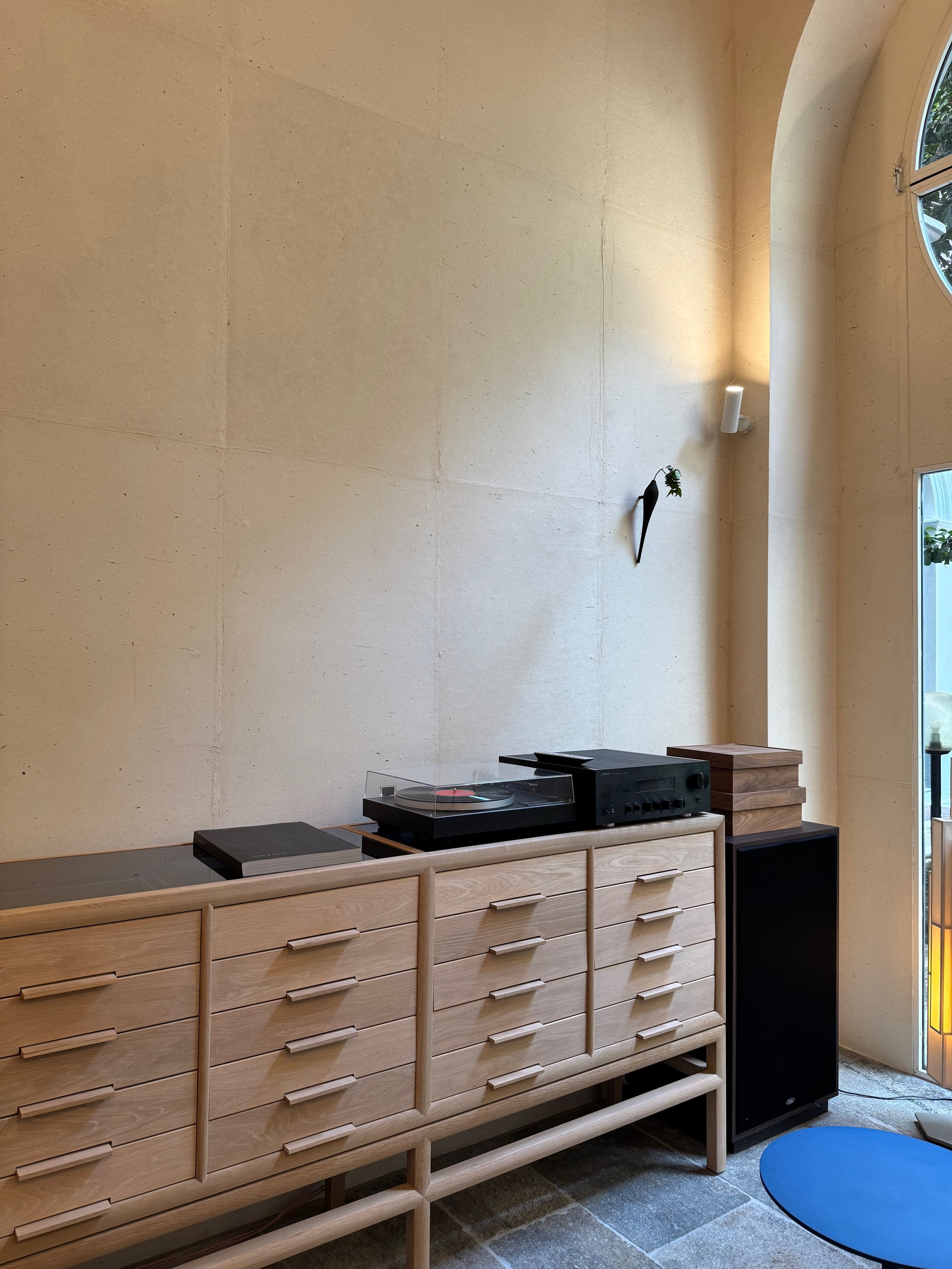
This year, I discovered several beautifully designed listening rooms. I think spaces like this encourage a slower and more offline way of living.
Carpeted floors, textile-covered walls, curtains, soft ceilings, and generous sofas created deeply comfortable atmospheres.
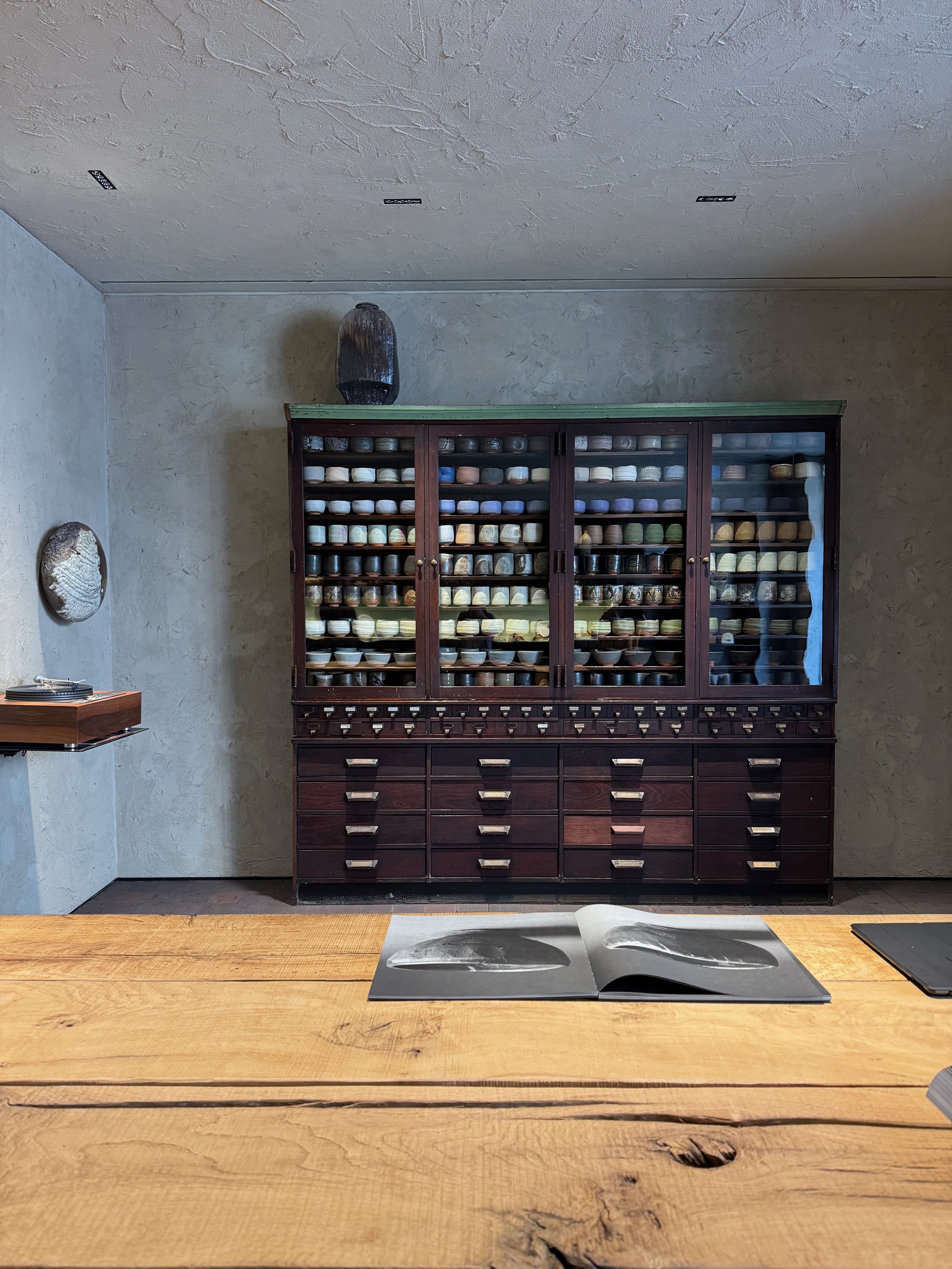
I also loved more zen-like interpretations with LP players, bookshelves, reading tables, and softer library-like moods.
Remarkable Salons
Similar to listening rooms, I’ve become increasingly drawn to smaller-scale and more human-centred salons dedicated to conversation, rest, and gathering.
Compared to oversized open-plan living, these enclosed and intimate spaces felt deeply comforting.
If space allows, I would love to create more rooms like this — spaces designed simply for sitting, talking, and sharing moments together.
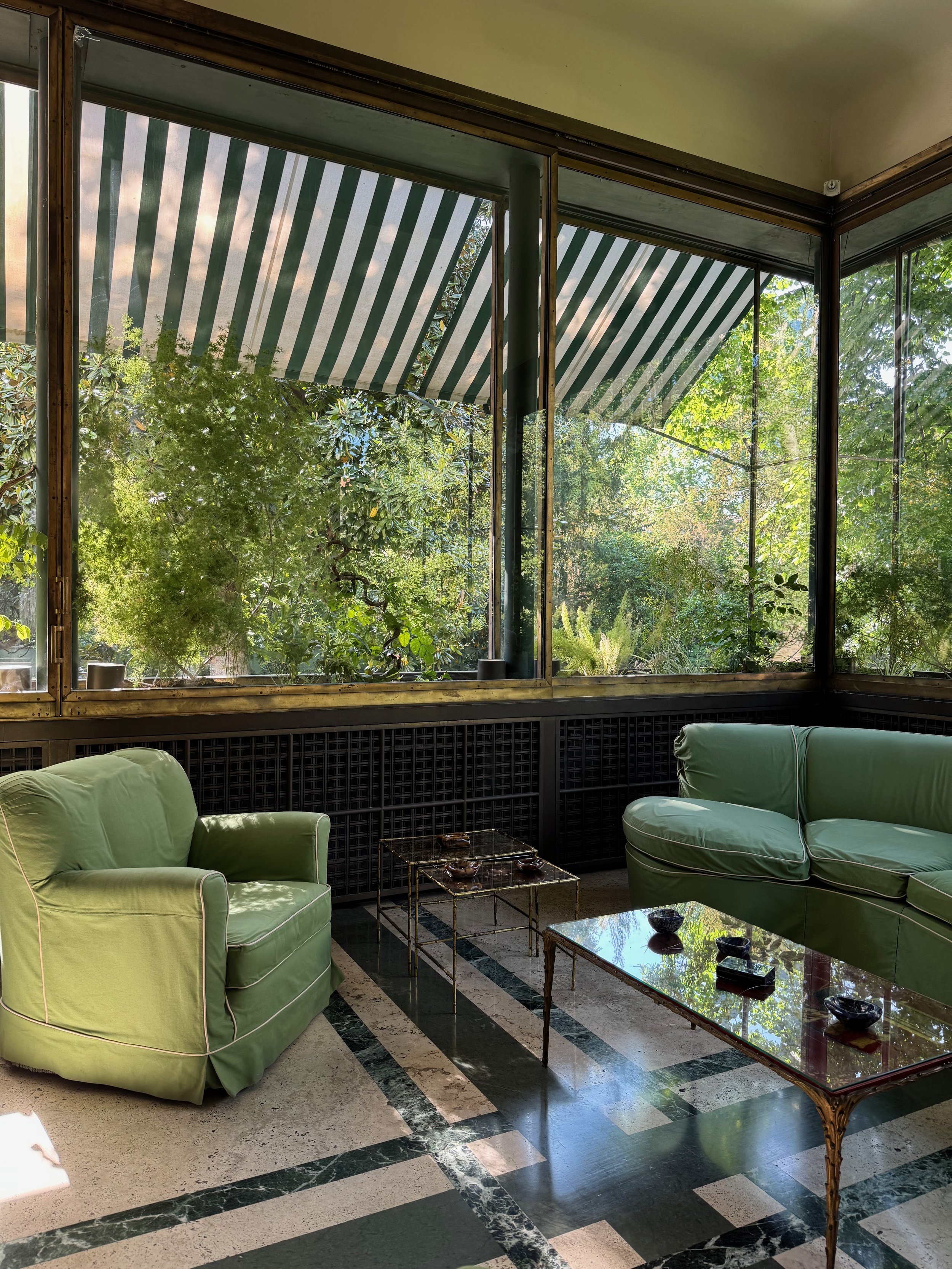
One memorable example was the green salon at Villa Necchi Campiglio. The space almost felt like a greenhouse, with green upholstery, awnings, and surrounding plants visually blending the room into the garden. It felt like the perfect place to slowly drink tea alone or with others.
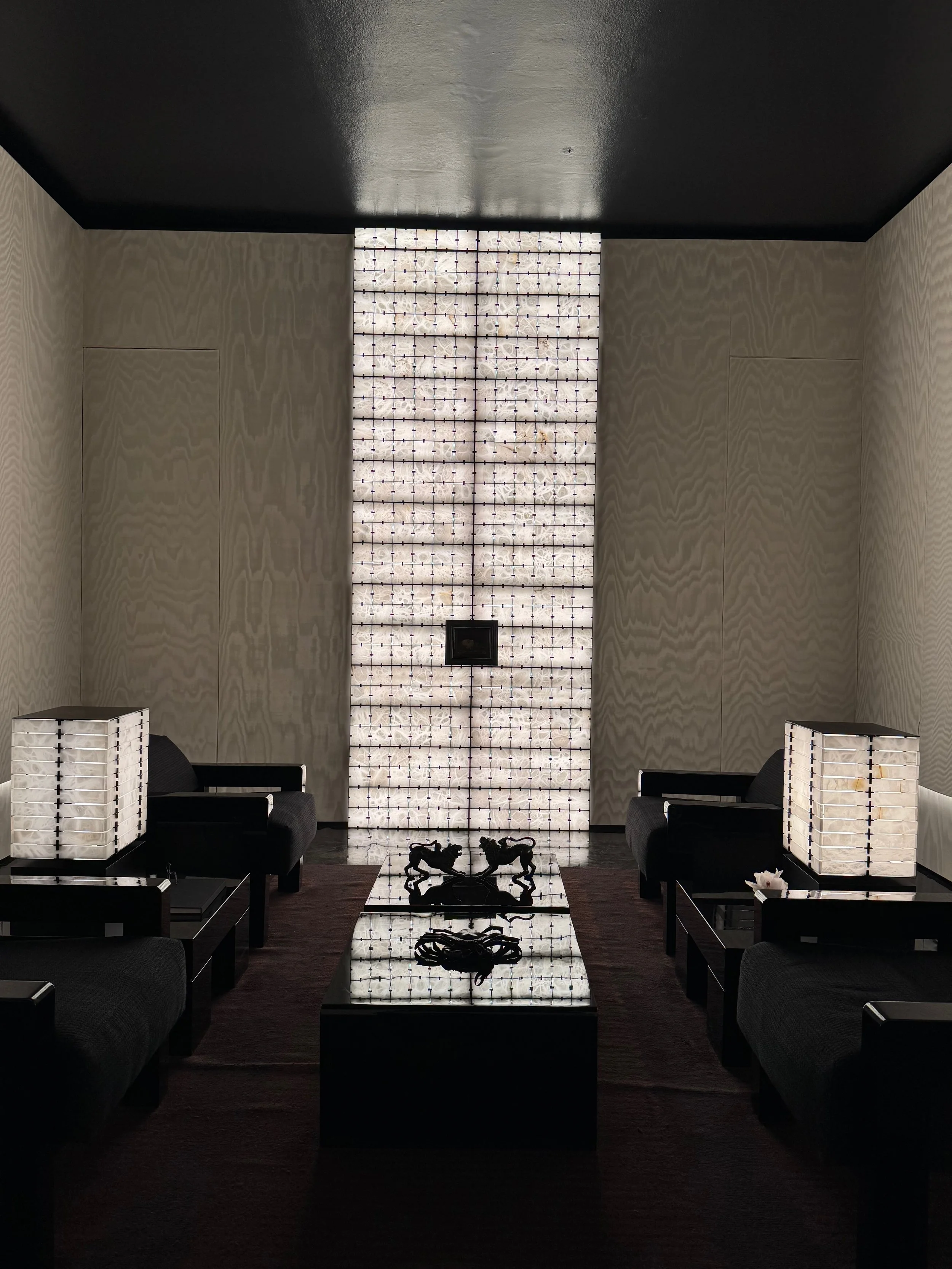
Another was Studioutte’s moody and cinematic salon inspired by Art Deco interiors. Dark tones, alabaster lighting, and fabric-covered walls created a rich private-club atmosphere.
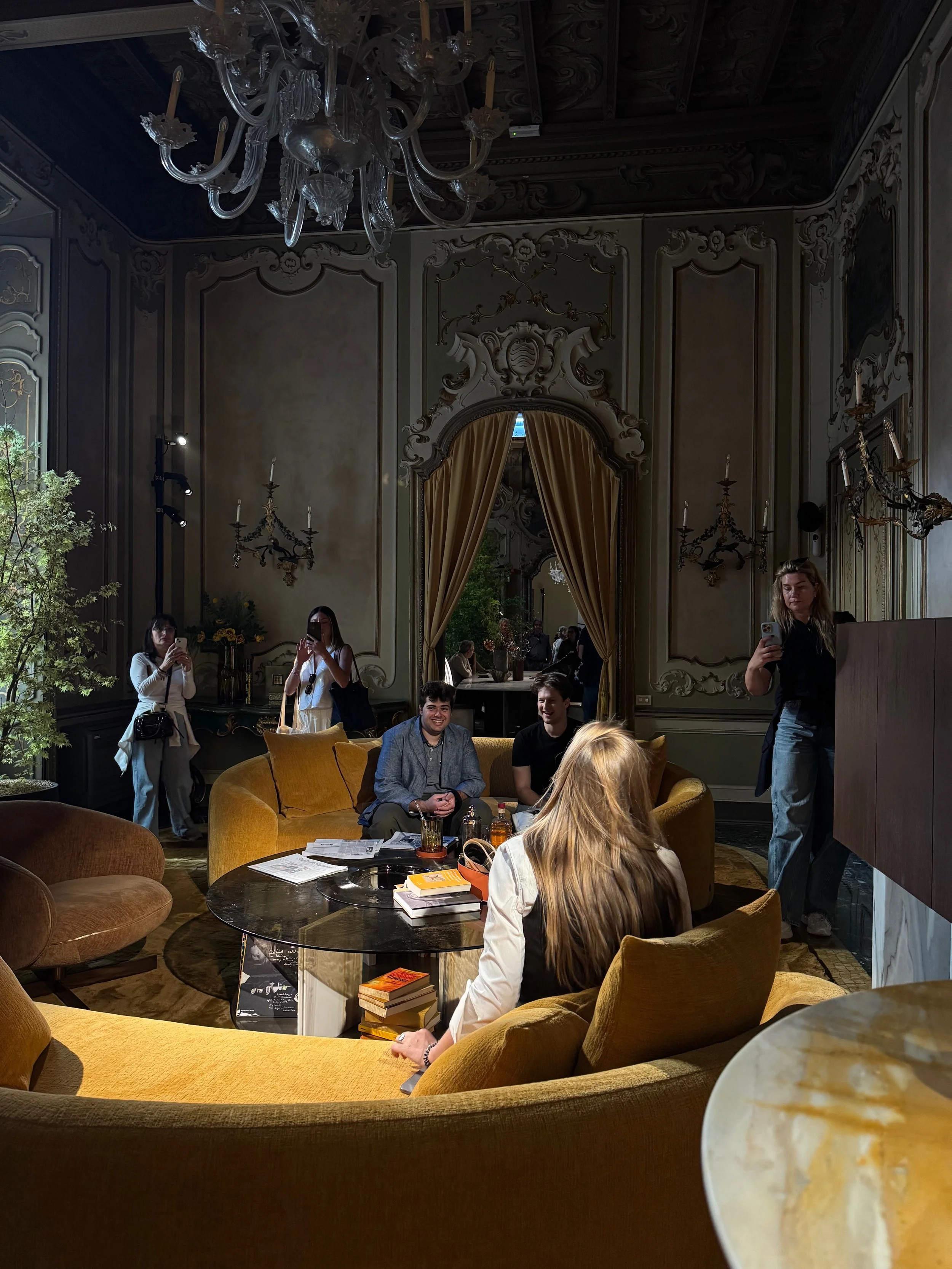
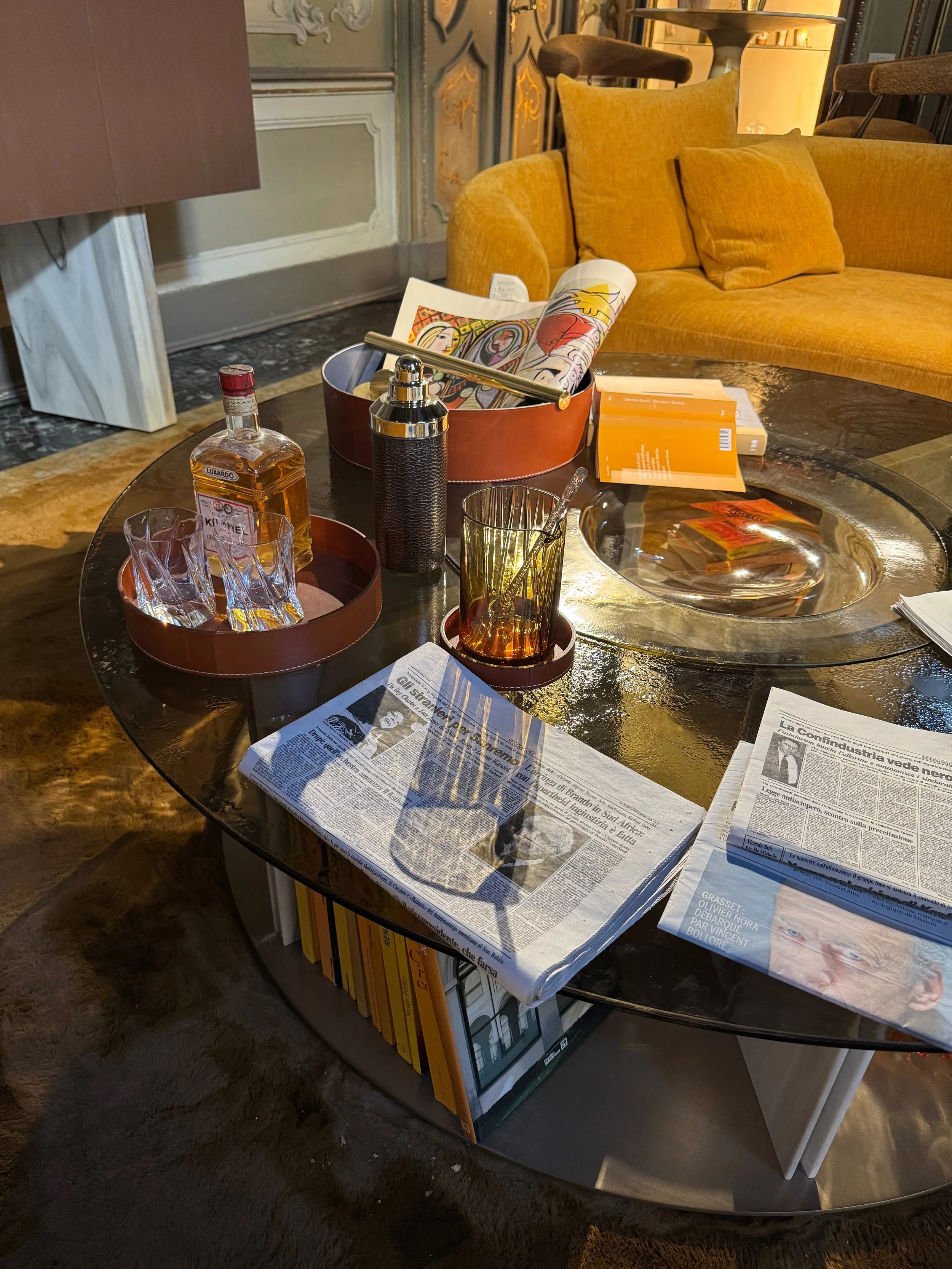
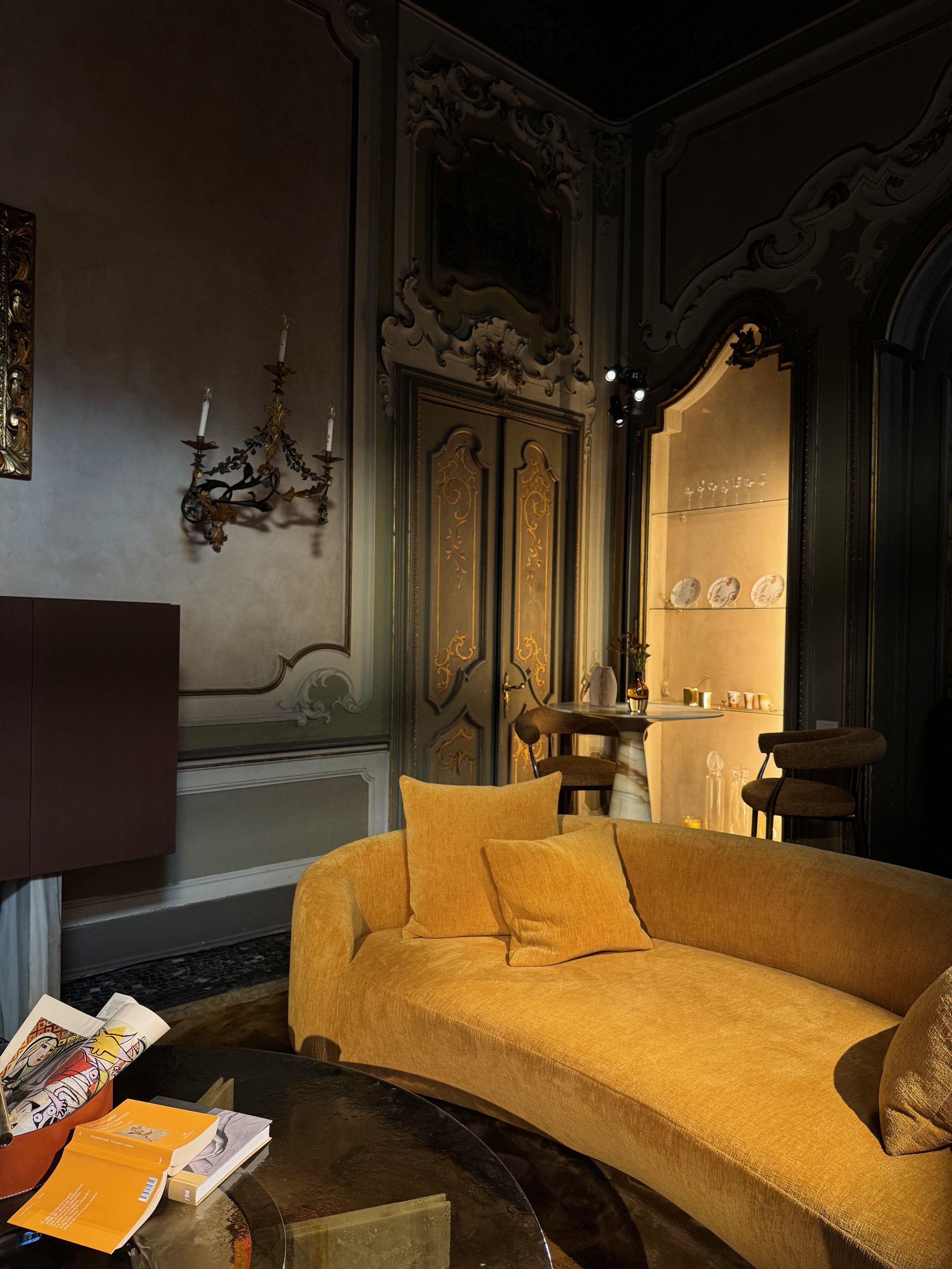
I also loved the rounded seating arrangement inside Palazzo Visconti di Modrone. Although the architecture itself was dramatic, the curved seating created a surprisingly intimate salon atmosphere centred around conversation and gathering.
Now, I feel an even stronger desire to create rooms dedicated entirely to sitting and atmosphere without needing to justify them through practical function.
Open-Plan Living Should Still Feel Divided
I often wish developers in Switzerland would reconsider the dominance of fully open-plan living layouts in new residential buildings.
Not everyone wants every function visually connected all the time. Many people still crave privacy, intimacy, and smaller atmospheres within the home.
In Milan, I discovered many thoughtful examples of how open-plan spaces can still feel connected while maintaining a sense of separation and emotional comfort.
Spatial dividers and transitions became especially important here — sliding panels, folding screens, framed openings, and layered thresholds.
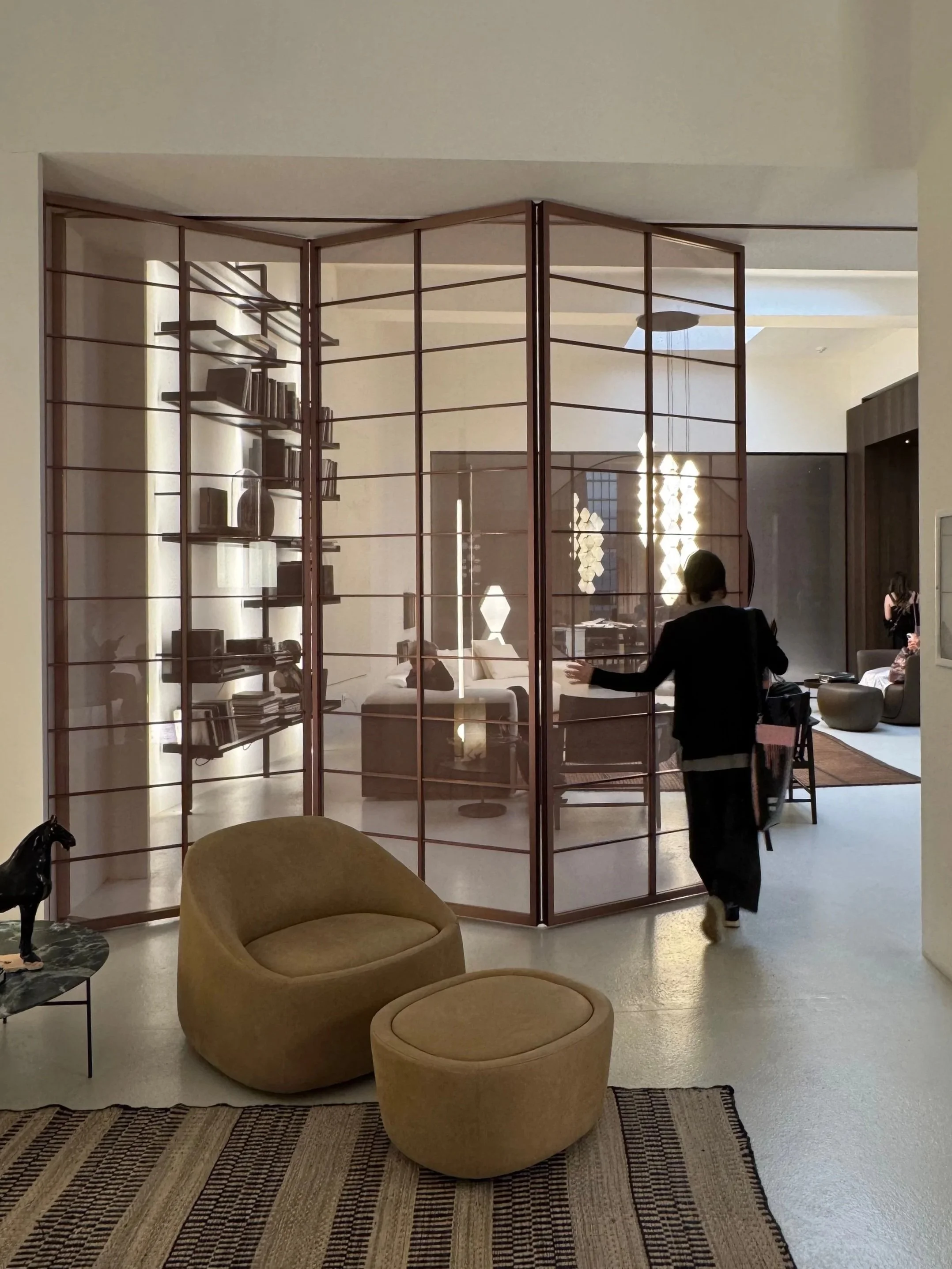
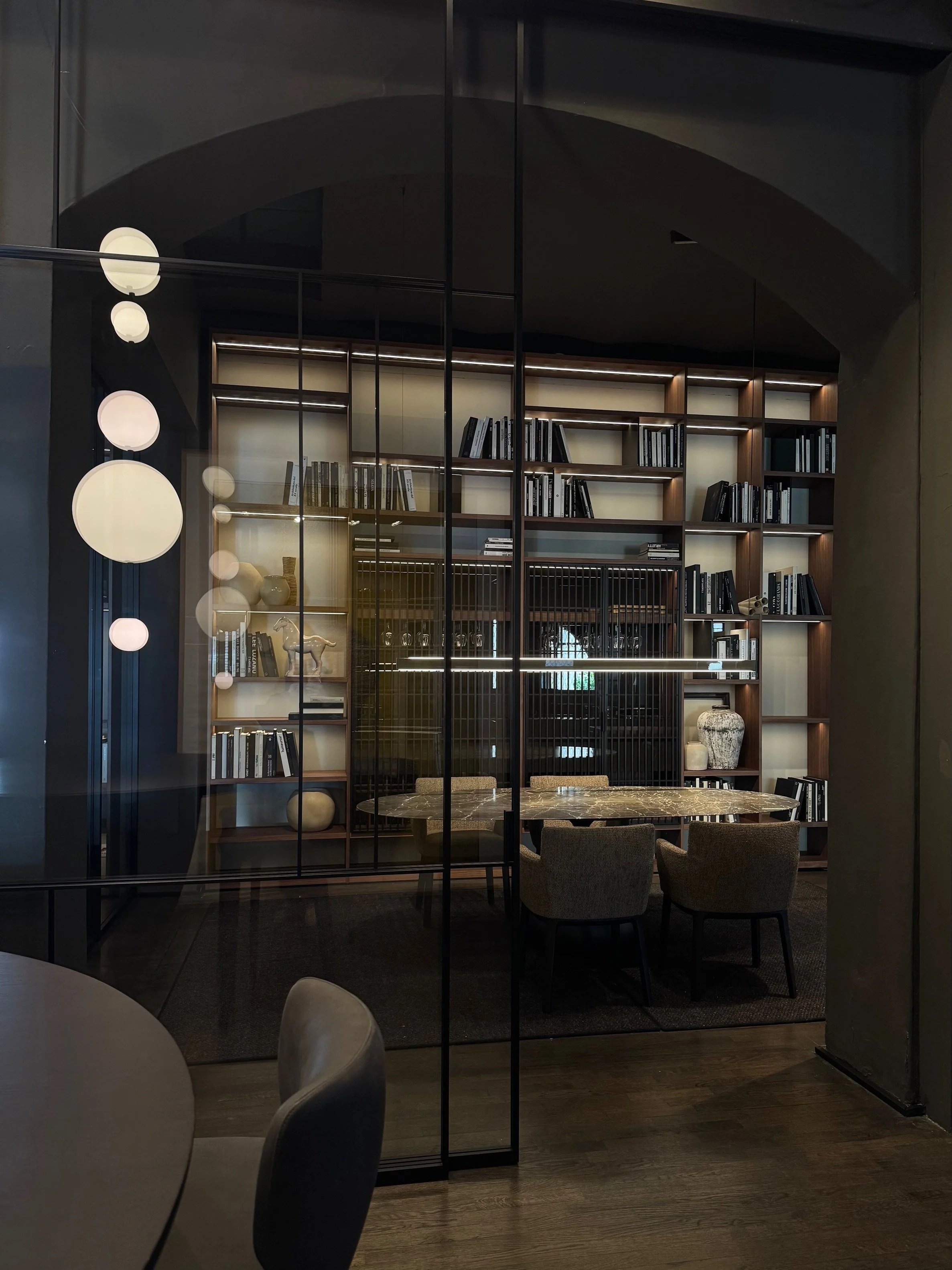
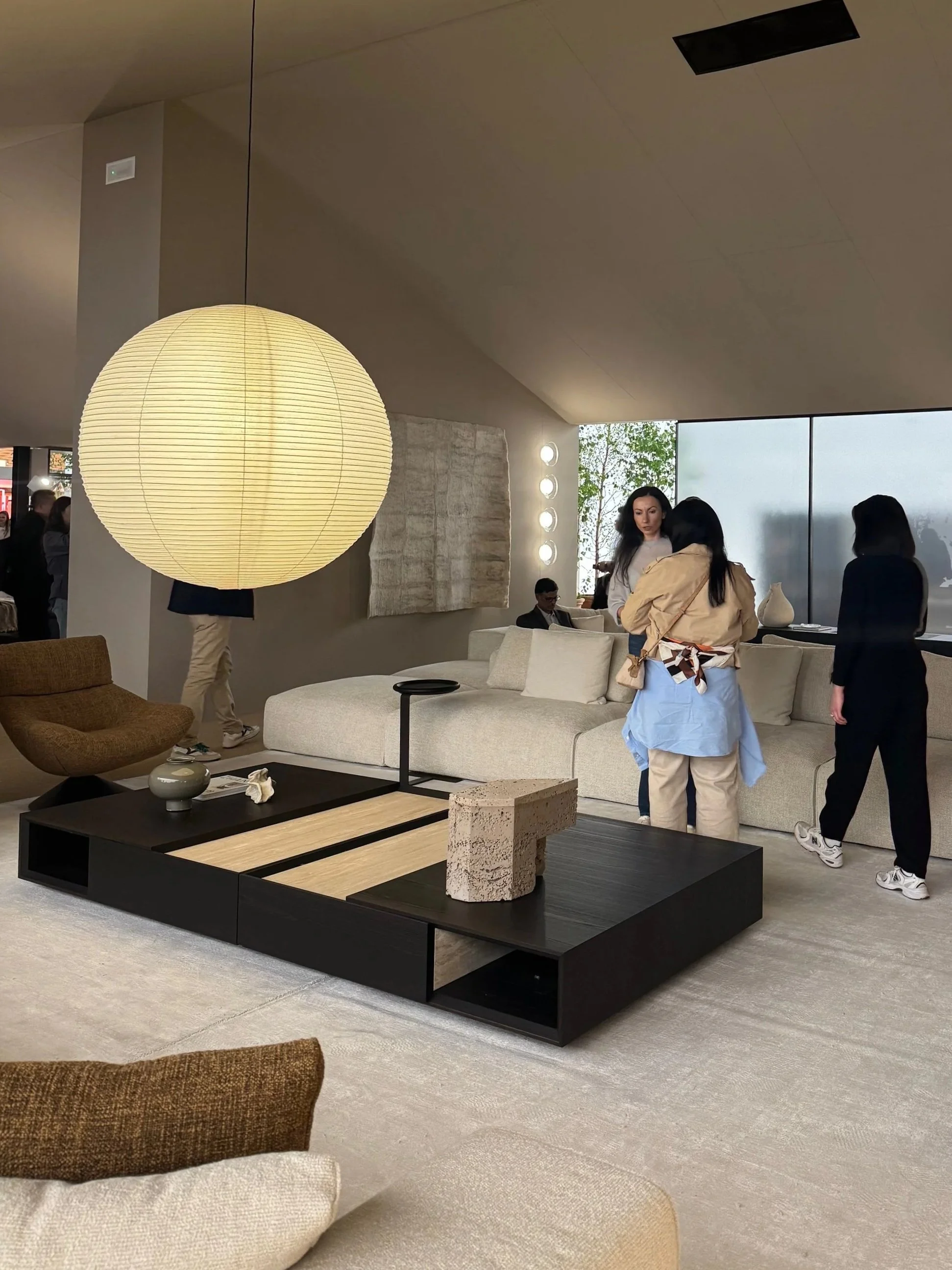
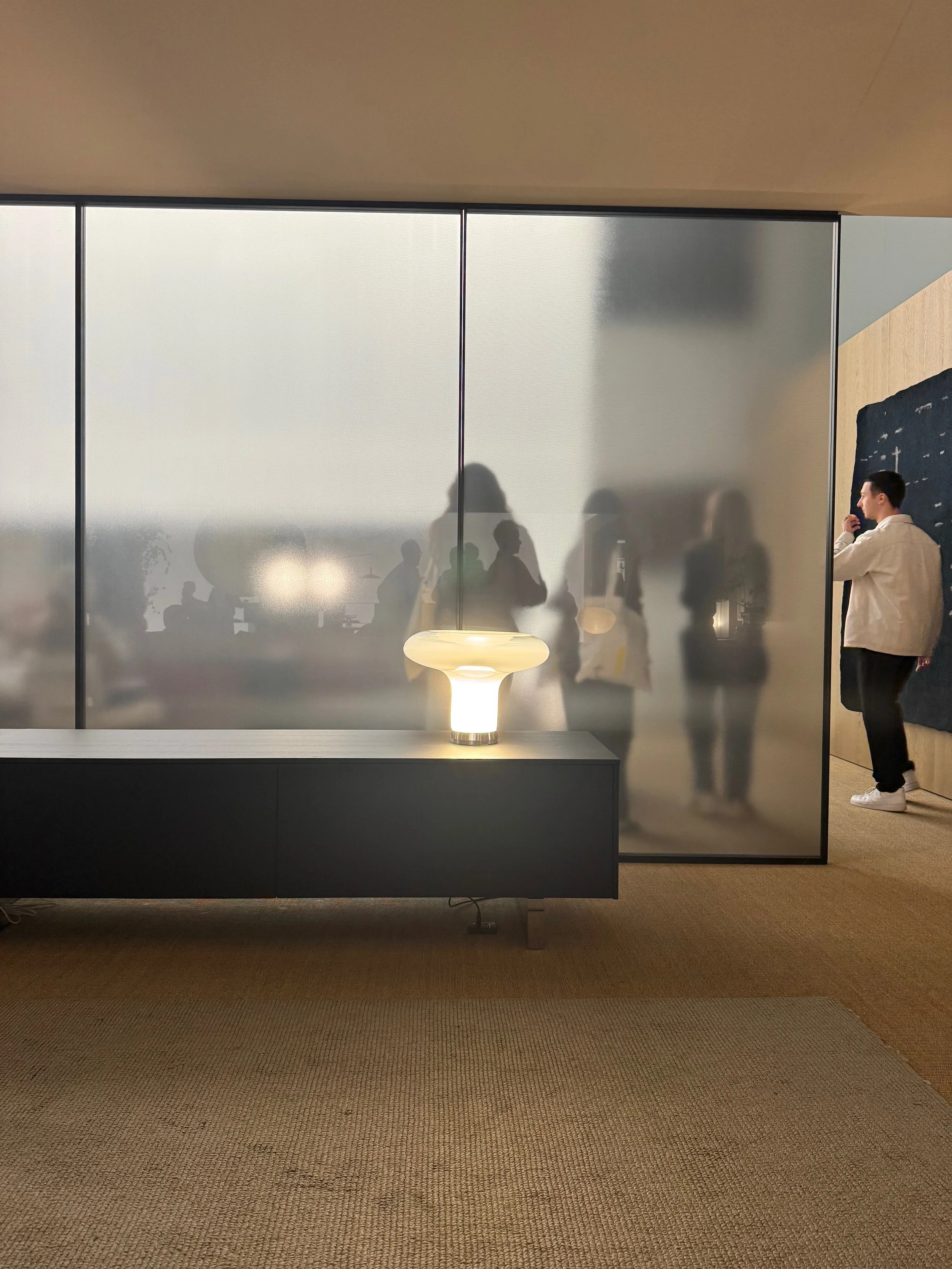
Rather than building additional walls, built-ins themselves can become spatial dividers while still remaining space-efficient. I’ve already explored this approach in projects where separation was needed without making smaller spaces feel tighter.
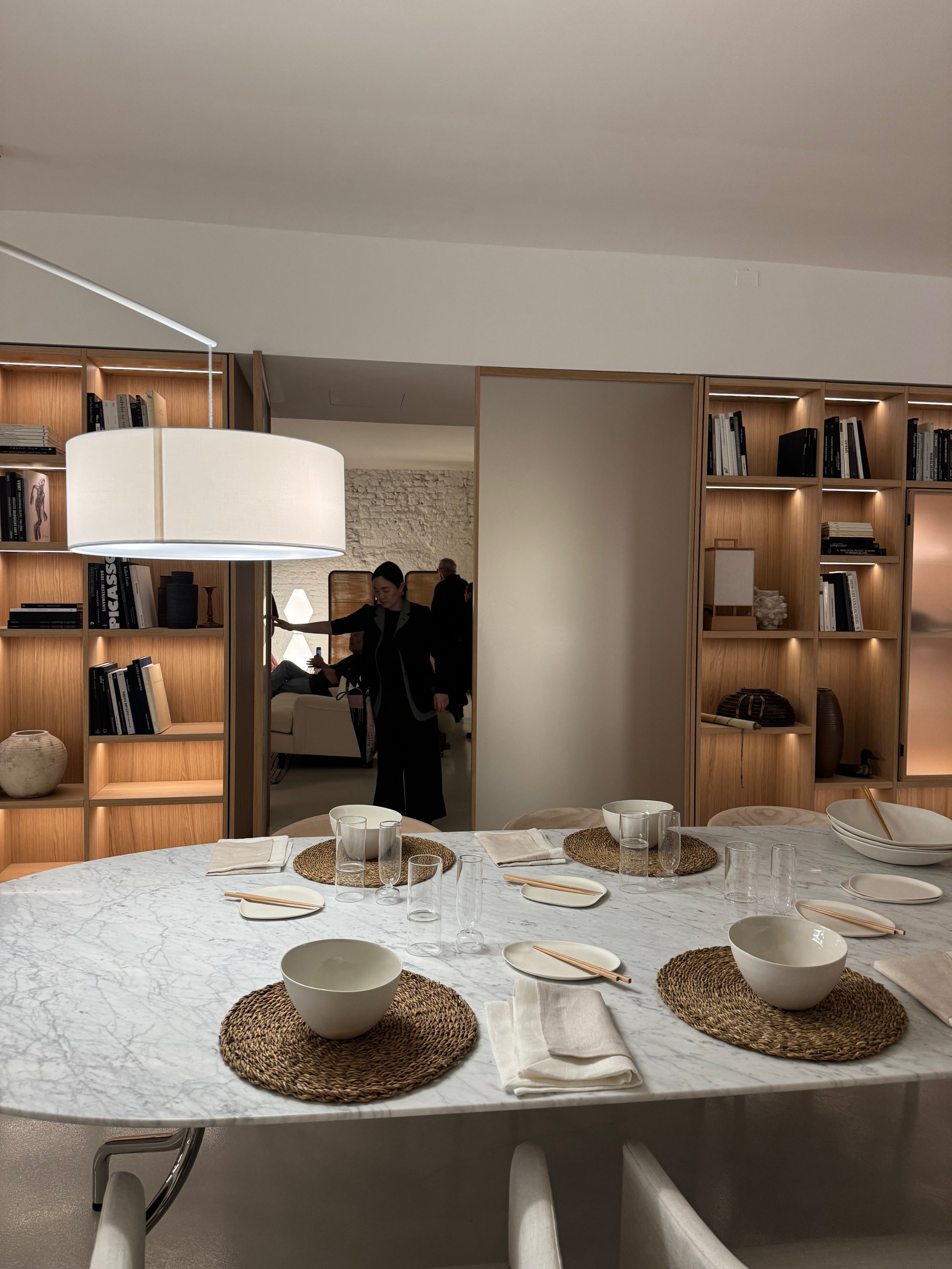
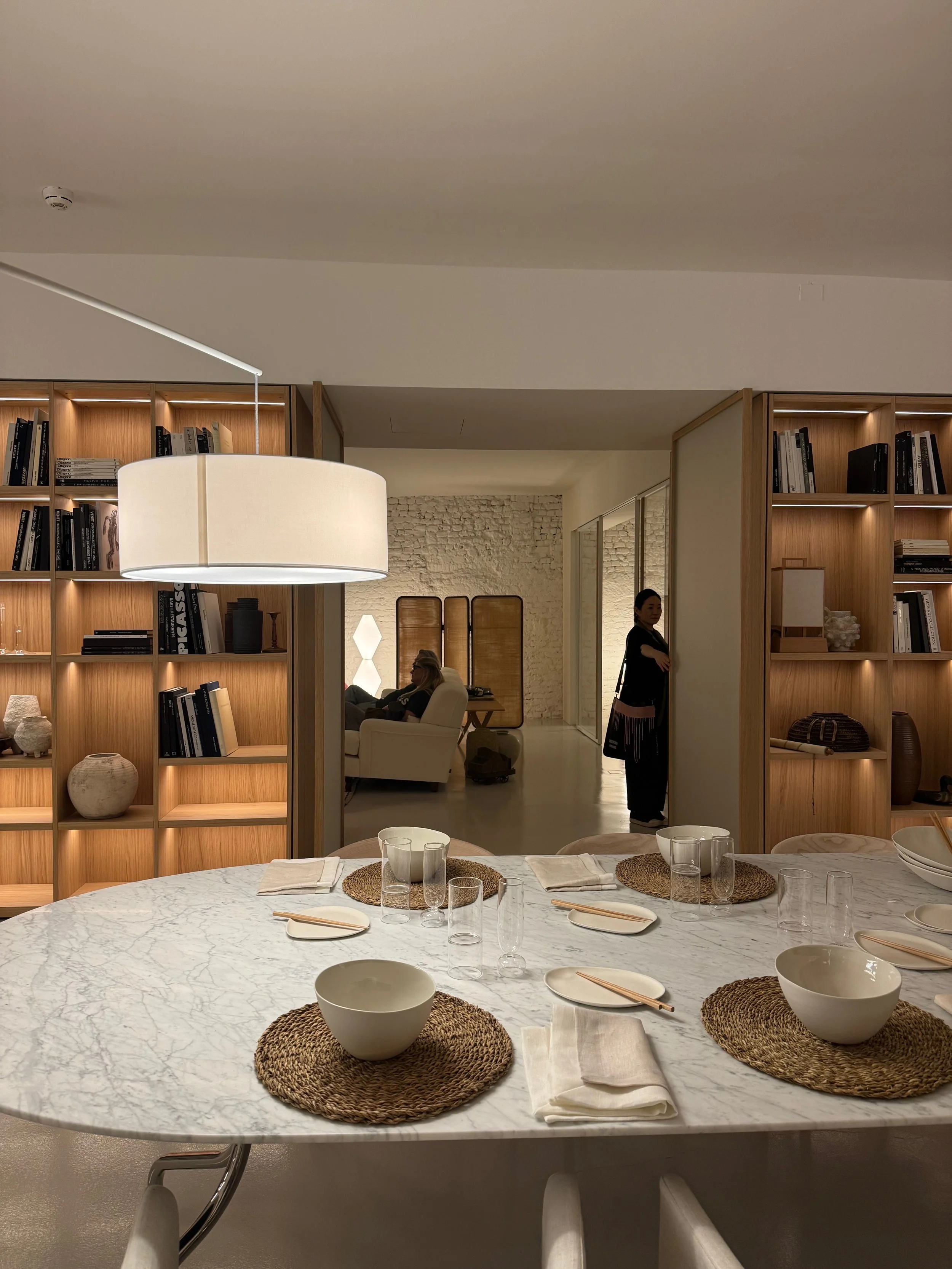
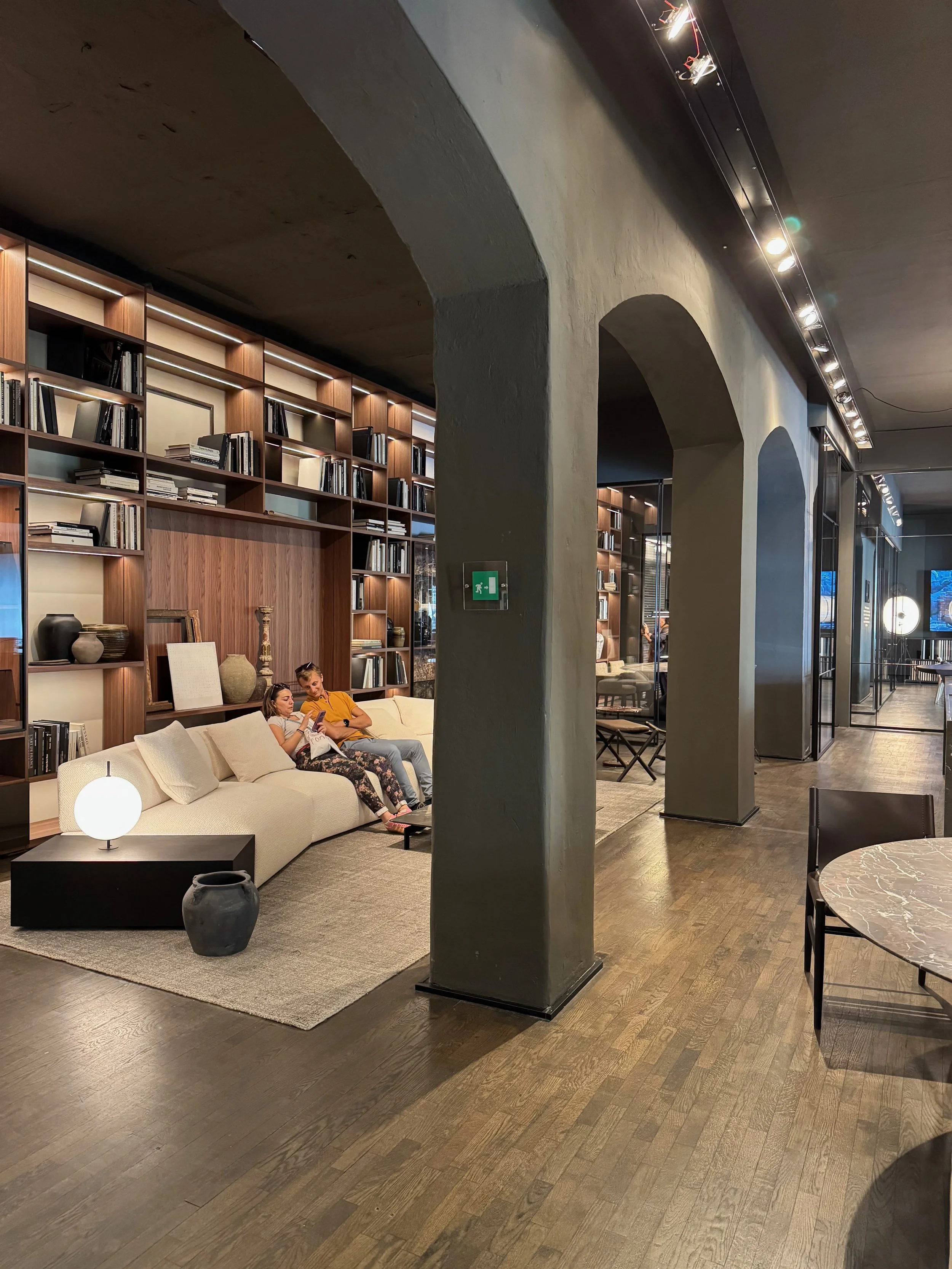
Architectural arches also create a softer transition between functions and help open spaces feel more intimate and layered.
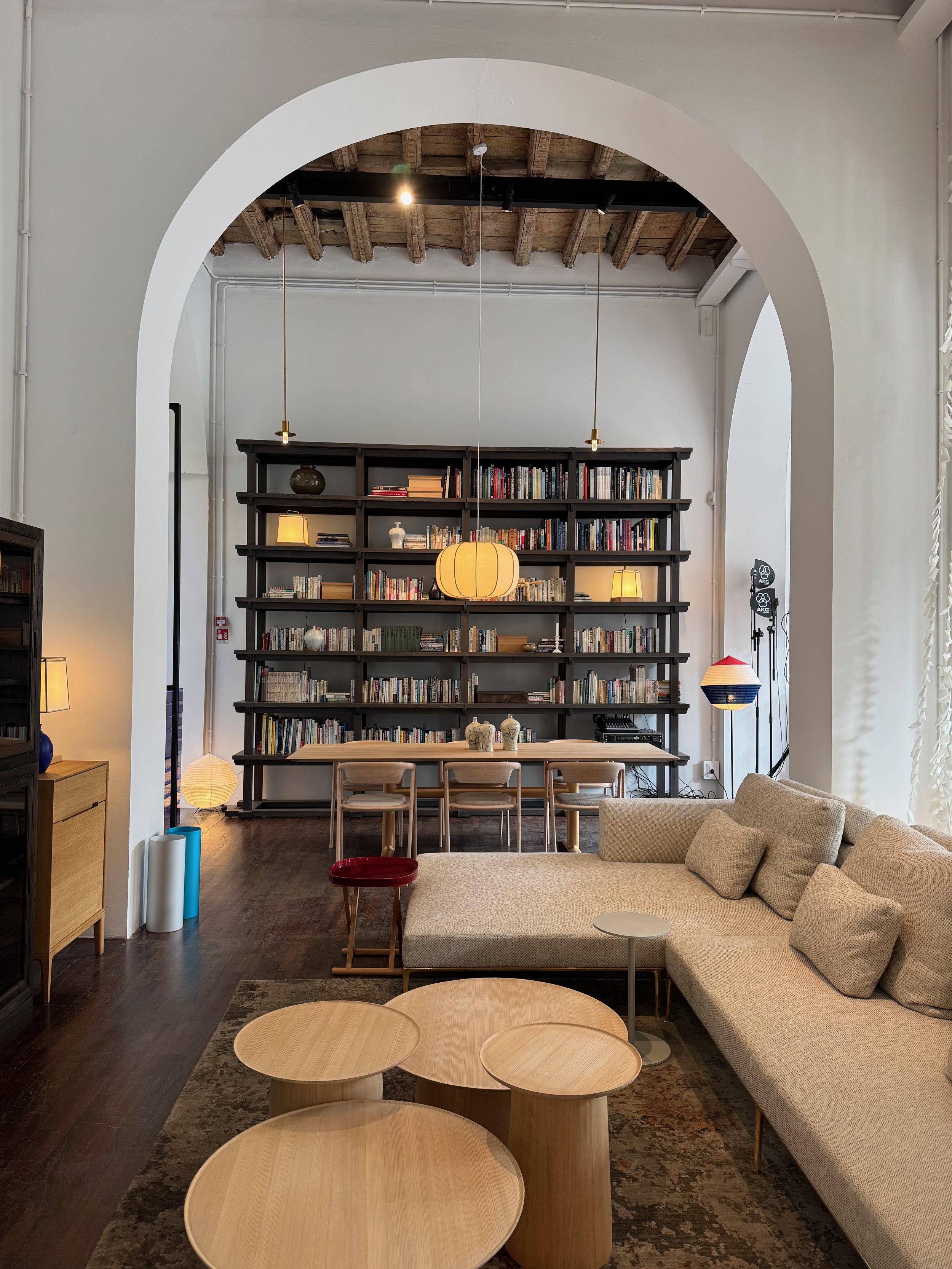
Another favourite approach was using simple openings framed in dark detailing. These framed views almost felt like paintings, turning everyday spaces into composed vignettes.
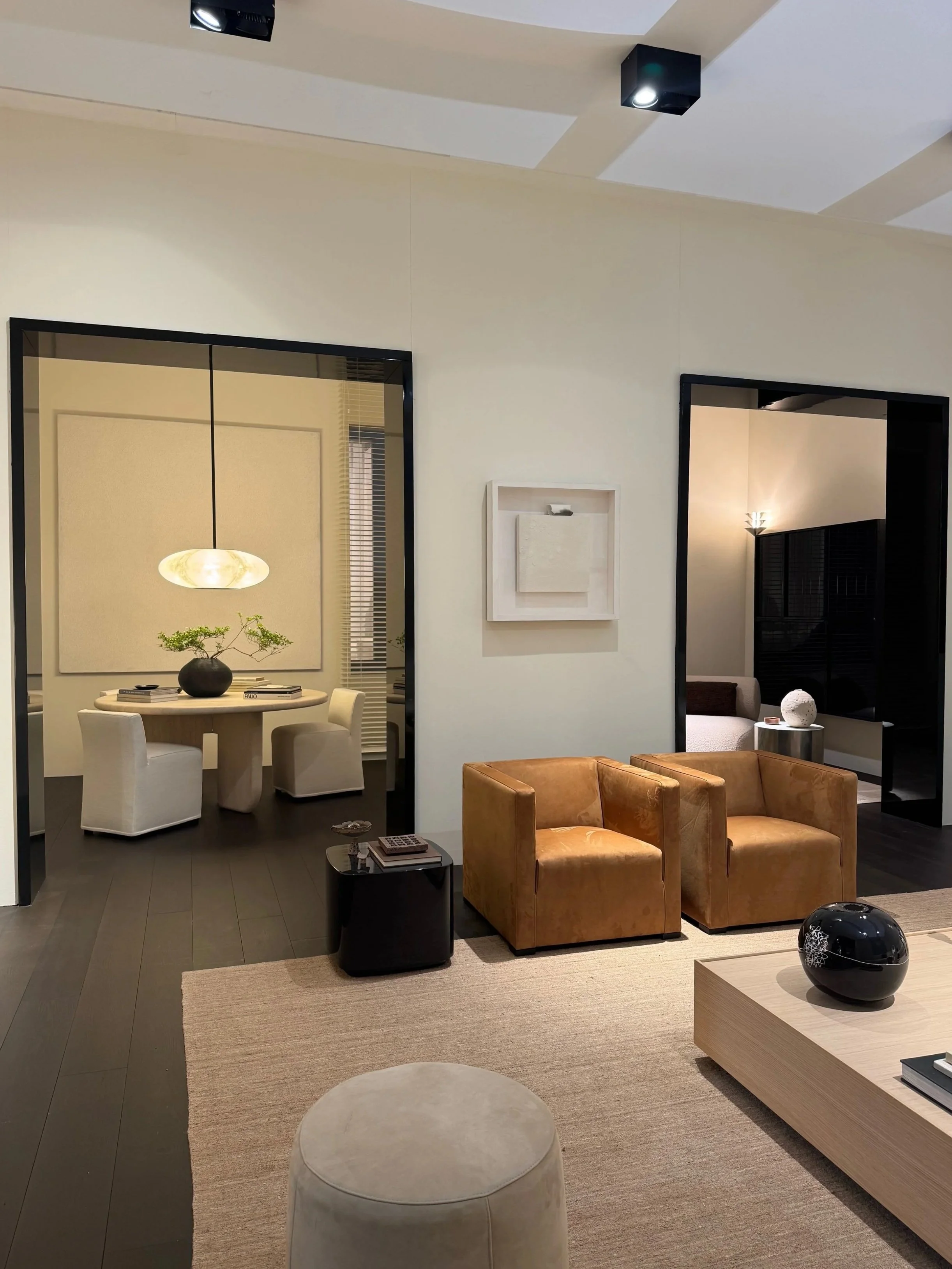
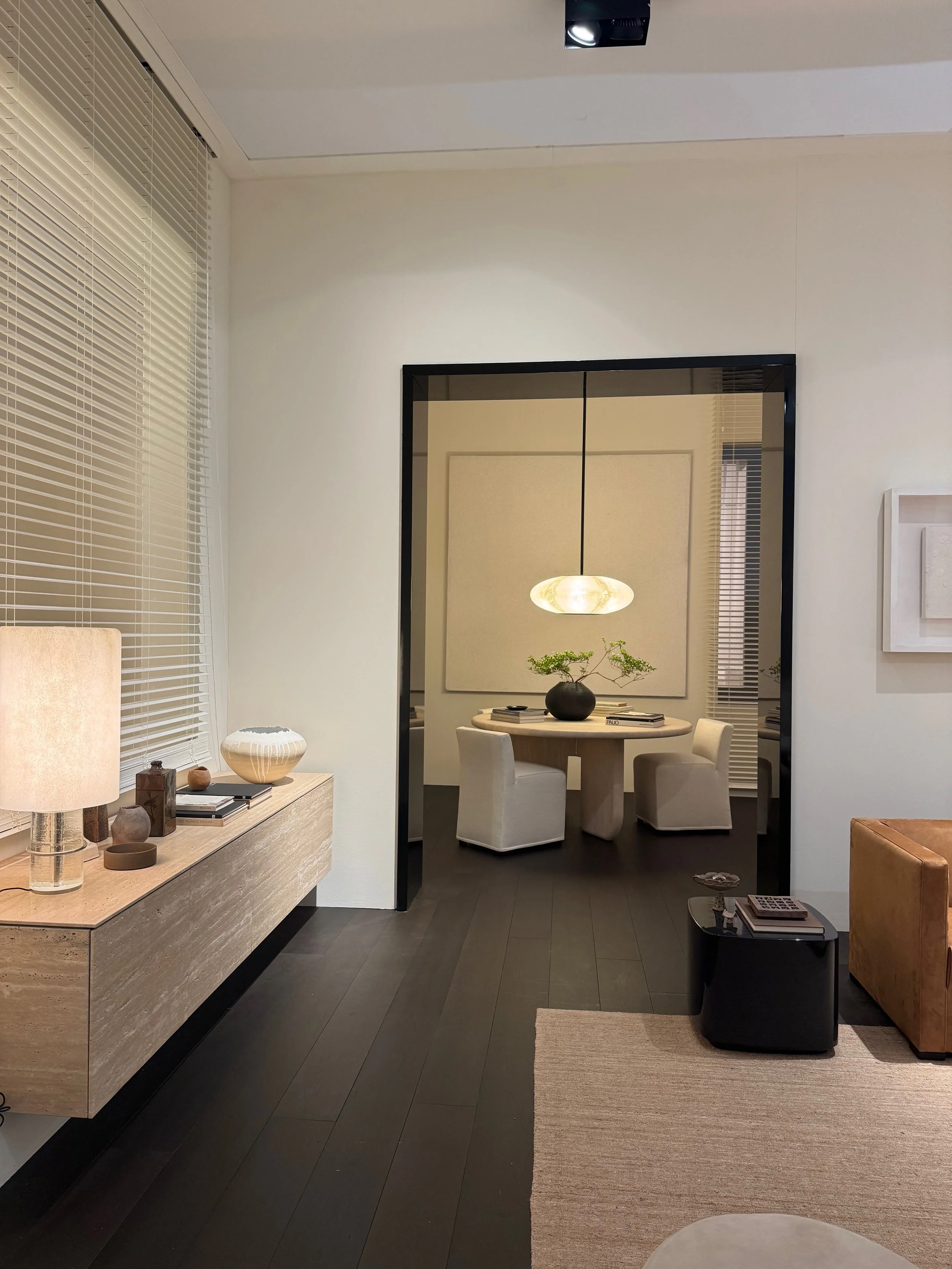
Furniture can also naturally divide a room — desks, bookshelves, consoles, or highboards can subtly define zones. I especially appreciated solutions where existing structural columns were integrated intentionally into the layout rather than treated as obstacles.
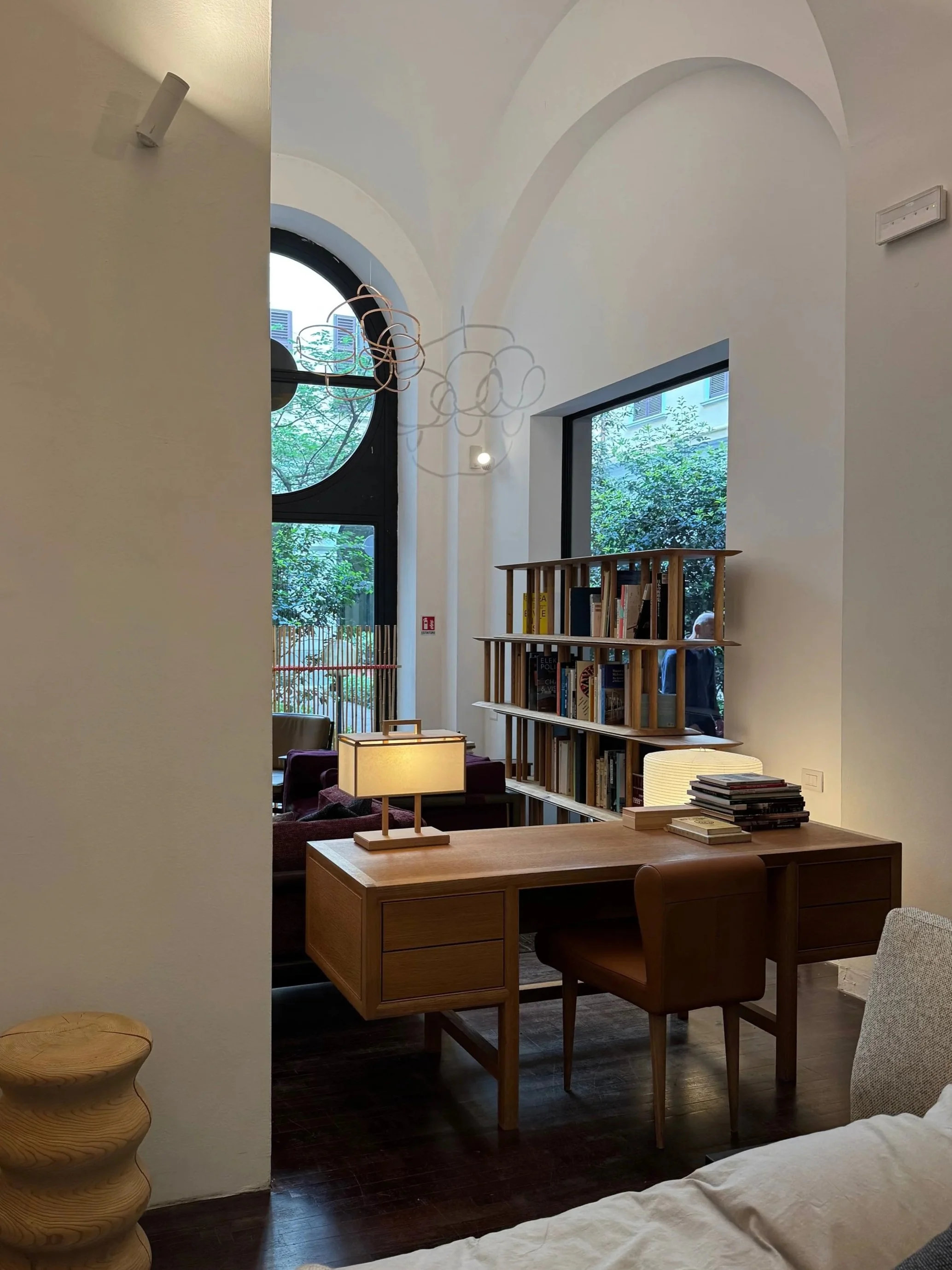
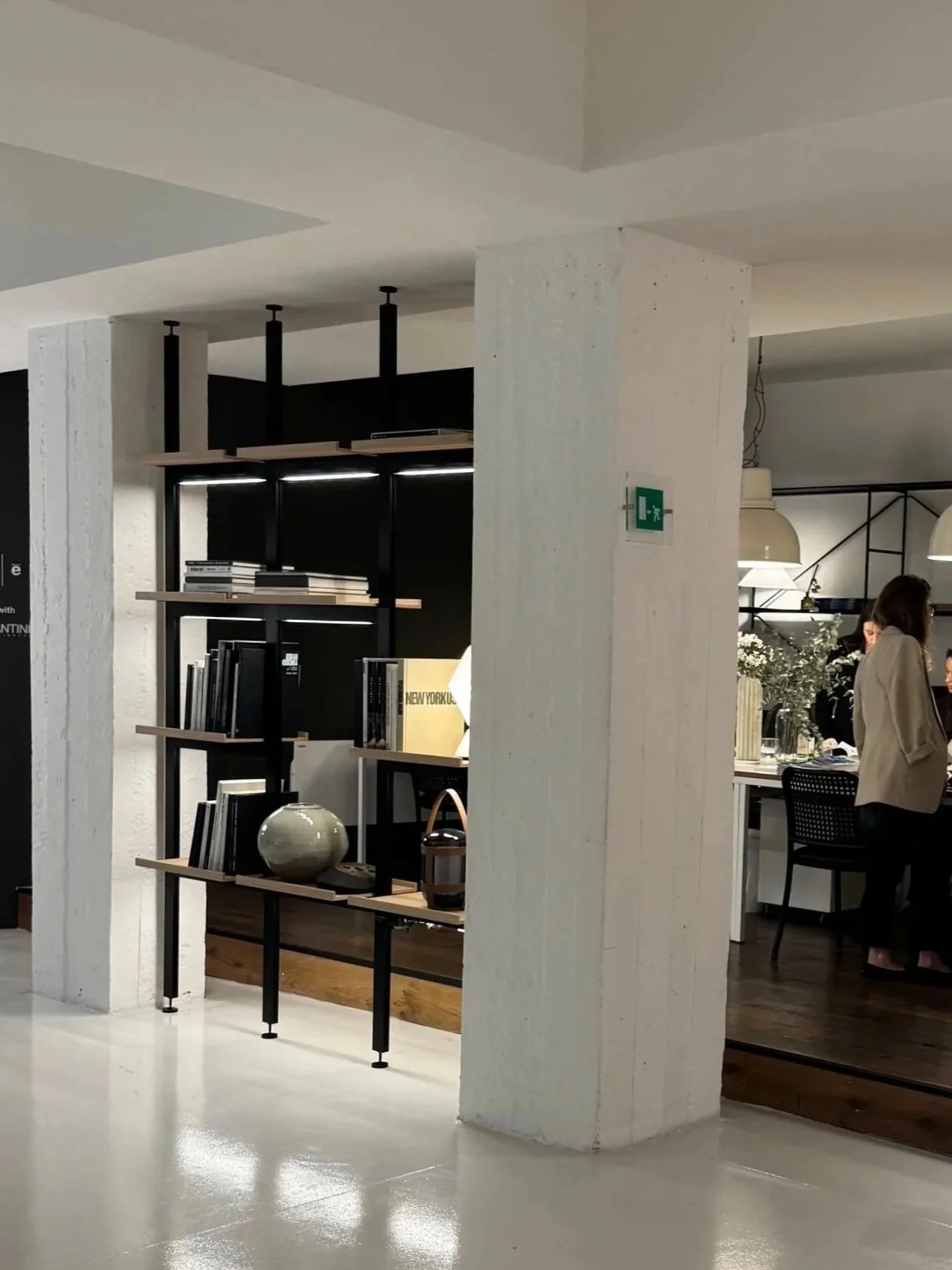
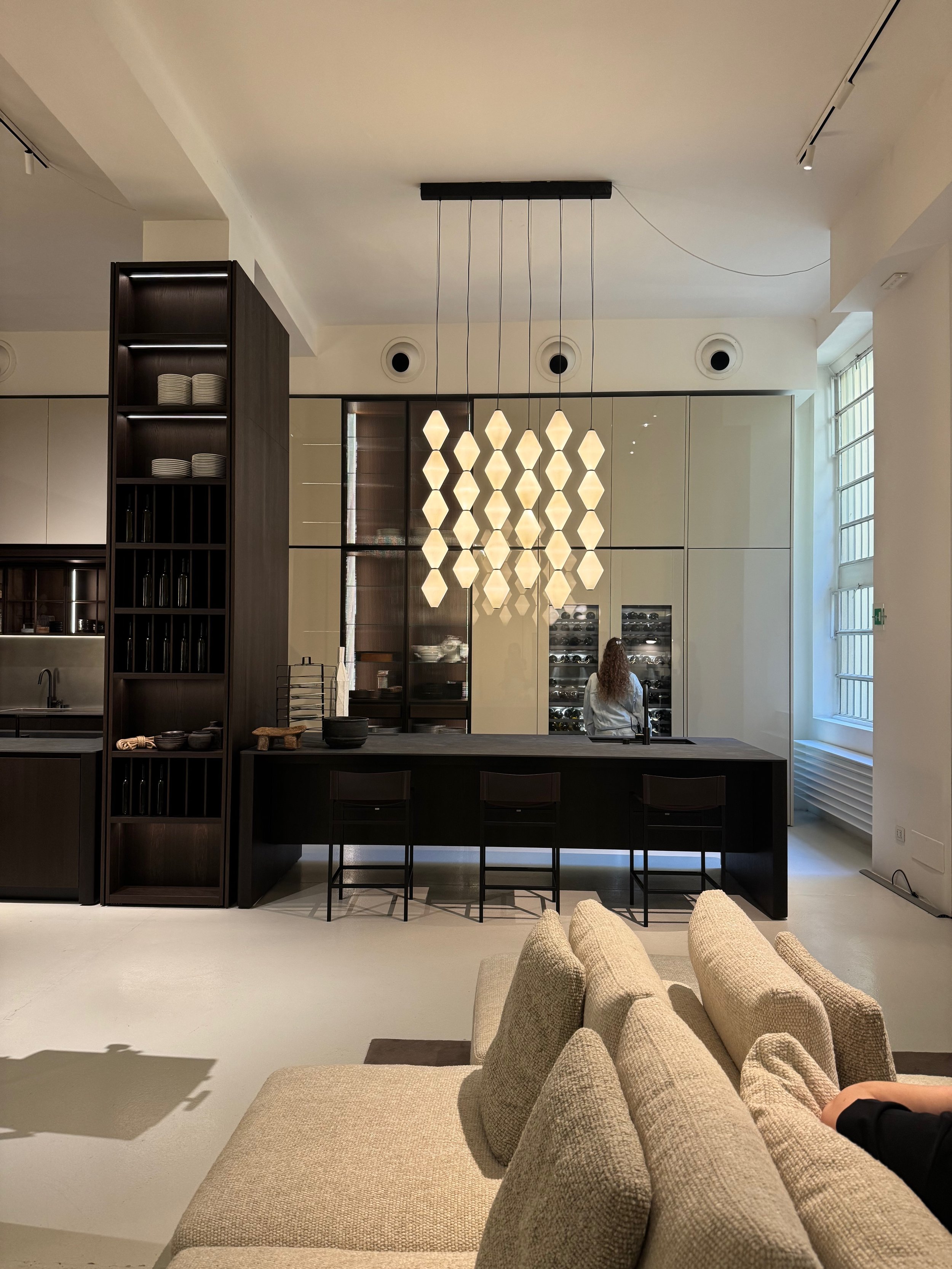
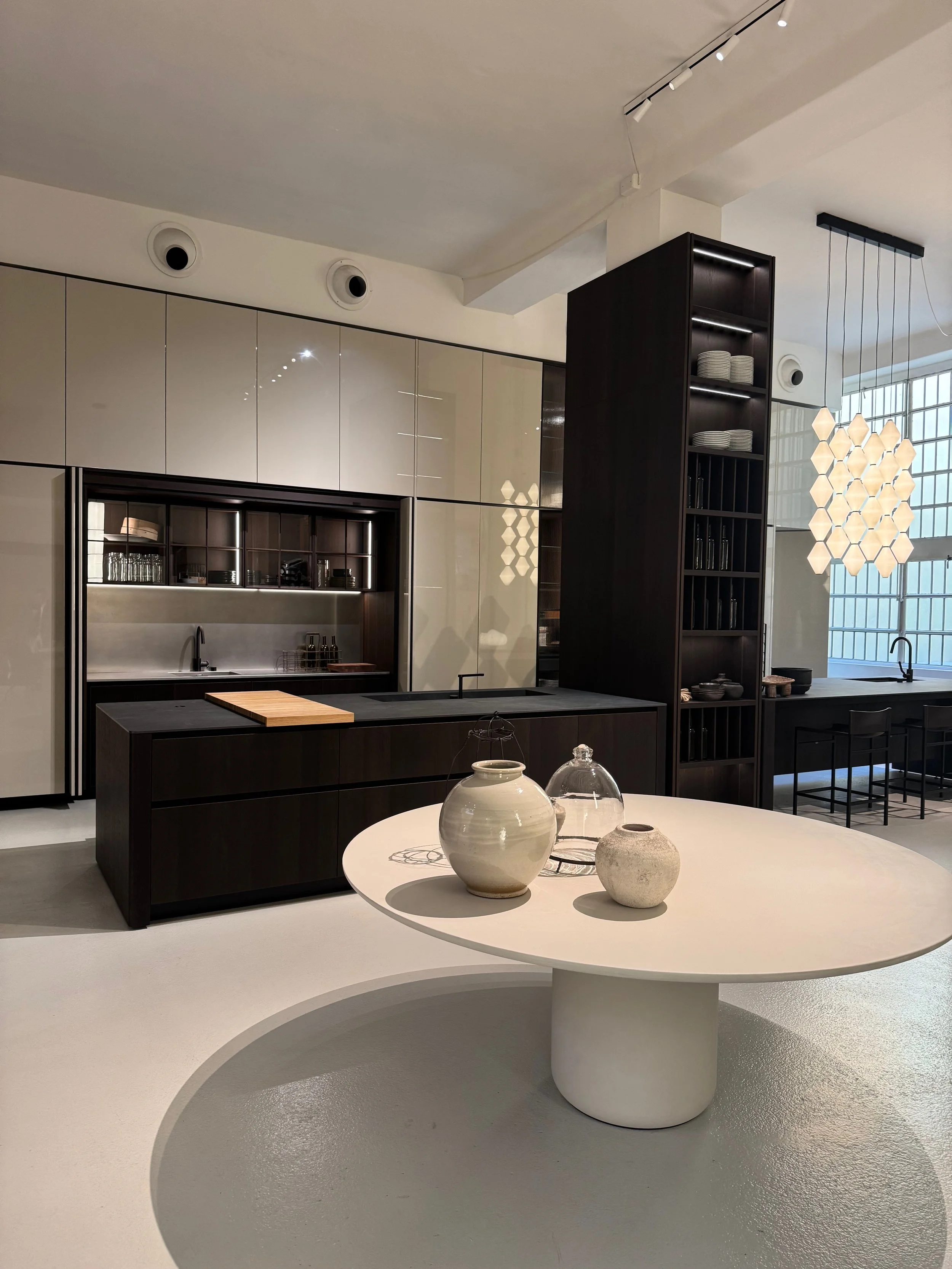
I also loved kitchens where long islands were integrated with columns, creating more rhythm and variation within the space. Breaking the island into smaller zones — one for gathering and another for cooking — felt much more dynamic than one endlessly long surface.
Layered Seating Landscapes
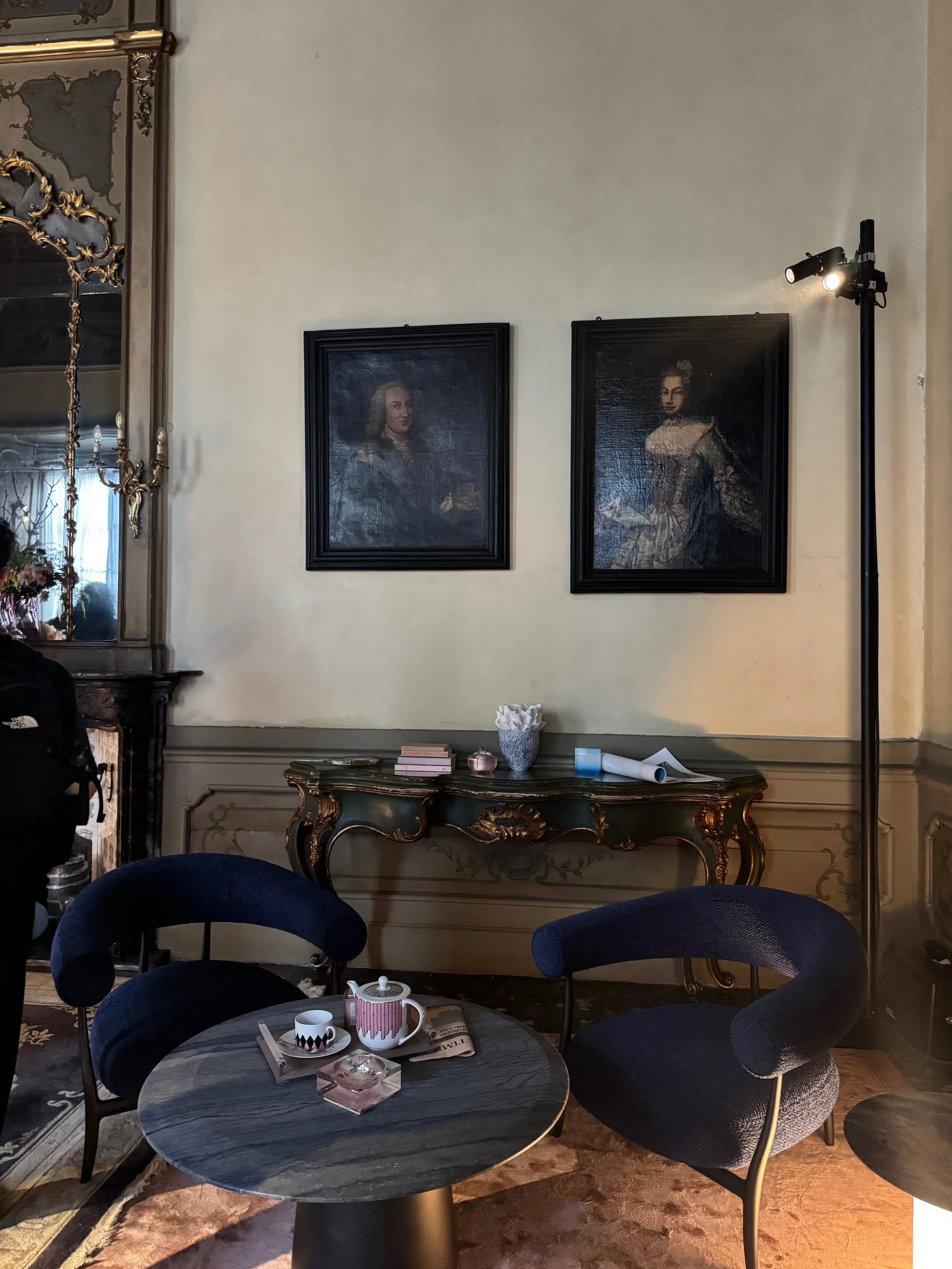
I’ve come to believe that homes need more varied seating scenes and layers.
Not only dedicated salons, but also secondary seating moments within living rooms, bedrooms, hallways, or transitional corners.
These layered seating arrangements make spaces feel more human, relaxed, and engaging — especially within larger open-plan homes.
Seating arrangements naturally shape our behaviours and moods. They invite pause, conversation, rest, and moments that simply feel luxurious.
Throughout Milan, I paid close attention to different seating compositions and discovered many inspiring ideas from villas, apartments, and high-end living brands.
Perhaps one room needs more than one seating area after all.
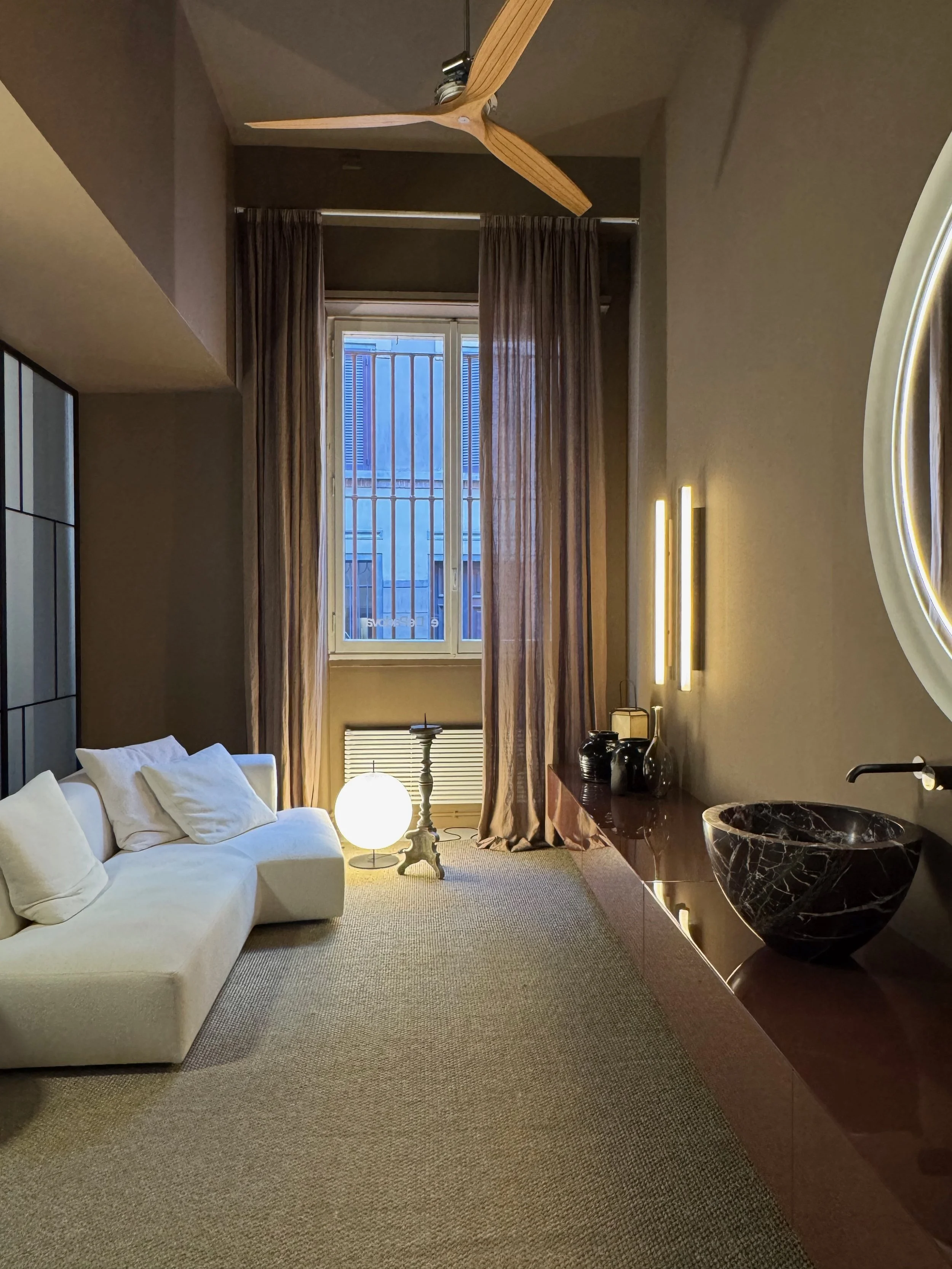
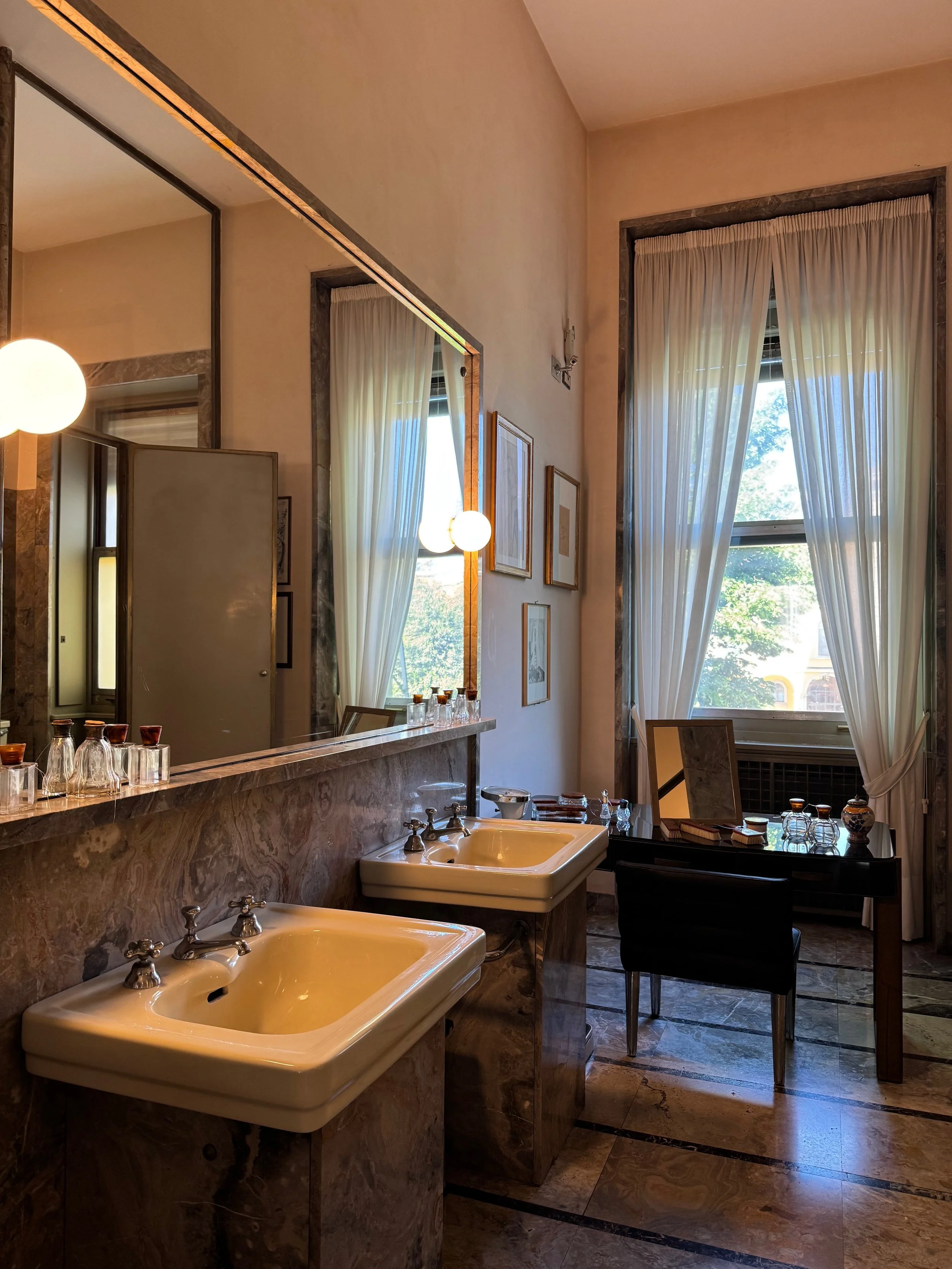
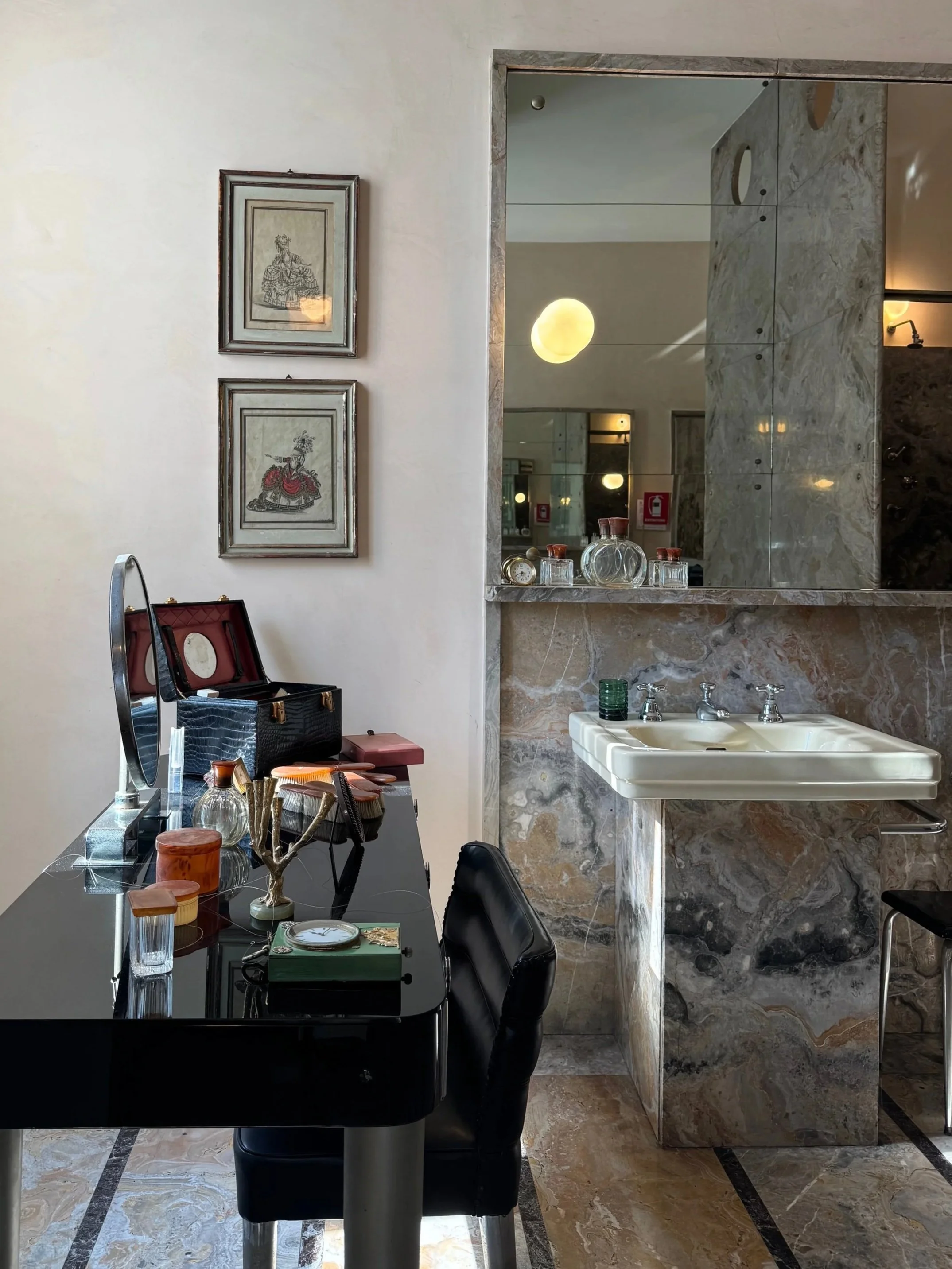
Bathrooms as Spaces of Wellbeing
Bathrooms are often treated purely as technical and functional spaces where finishes and fixtures dominate every design decision.
But bathrooms are also deeply personal ritual spaces.
If space allows, I love the idea of adding softer and more atmospheric layers — vanity tables, stools, framed artwork, lounge chairs, or even sofas. Not only architectural lighting, but also lamps.
This year, I stayed in a hotel with a generous bathroom, and it completely changed the feeling of my mornings and evenings during a very busy week.
It reminded me how important generous space can feel in rooms dedicated to wellbeing.
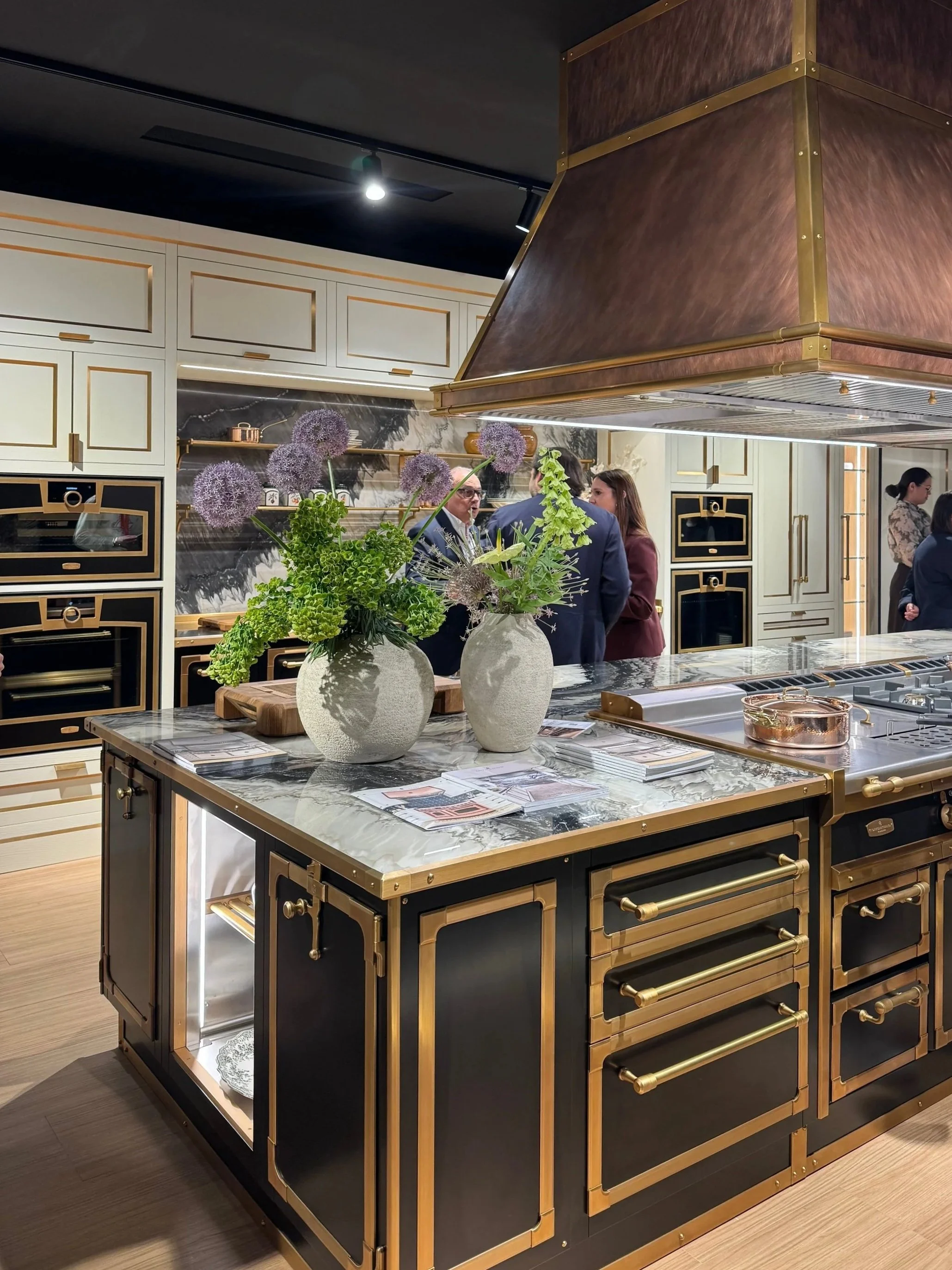
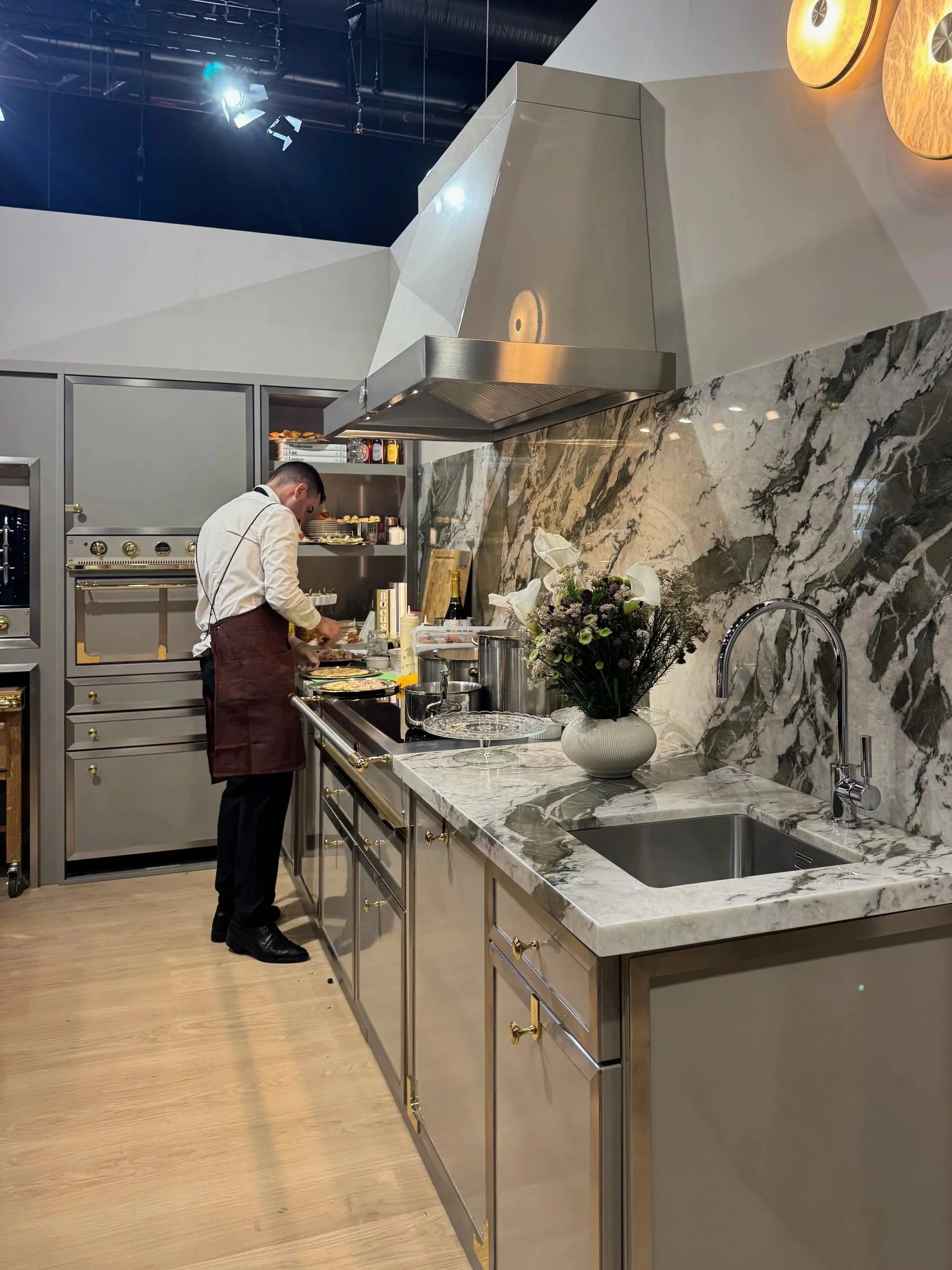
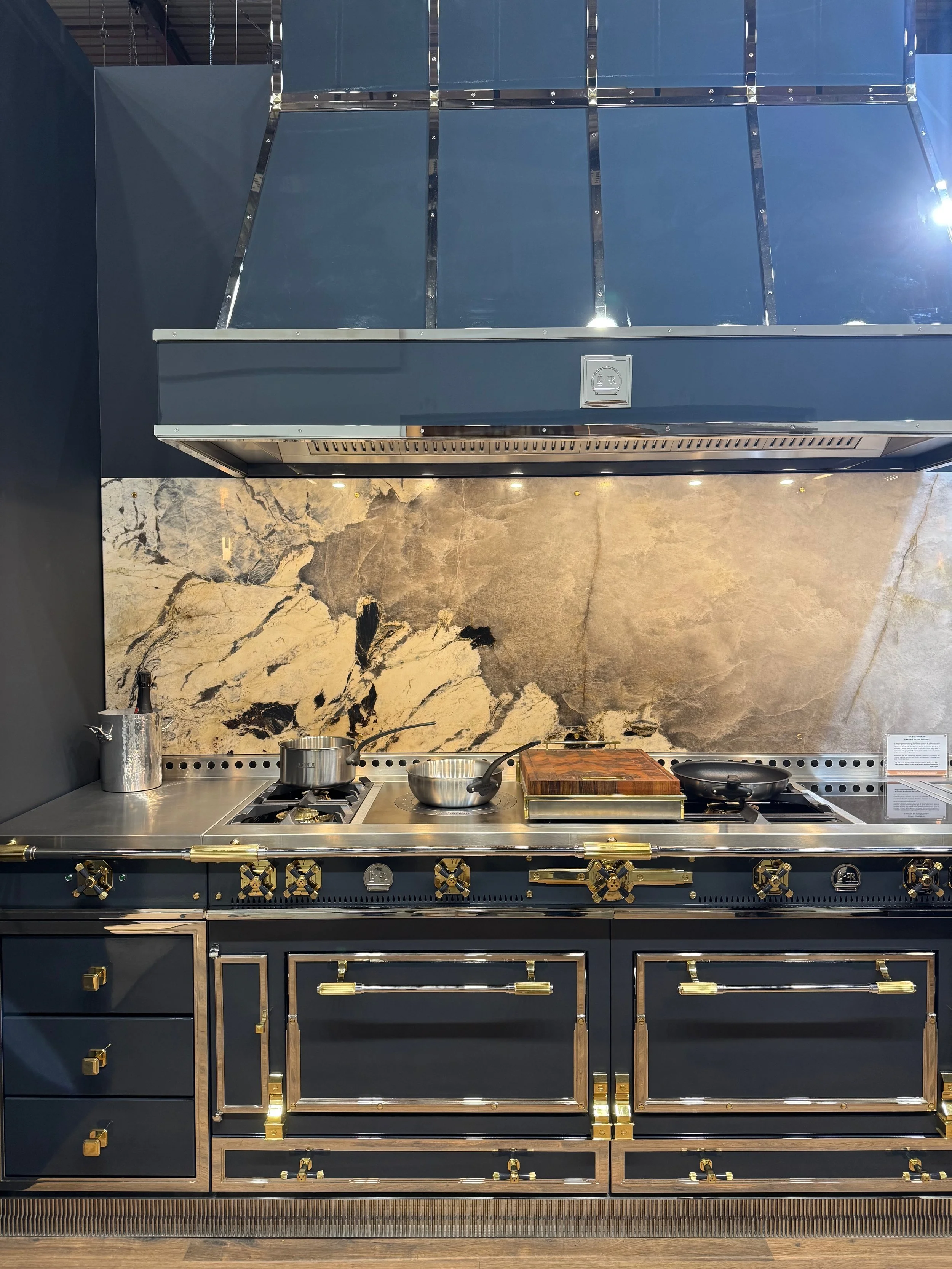
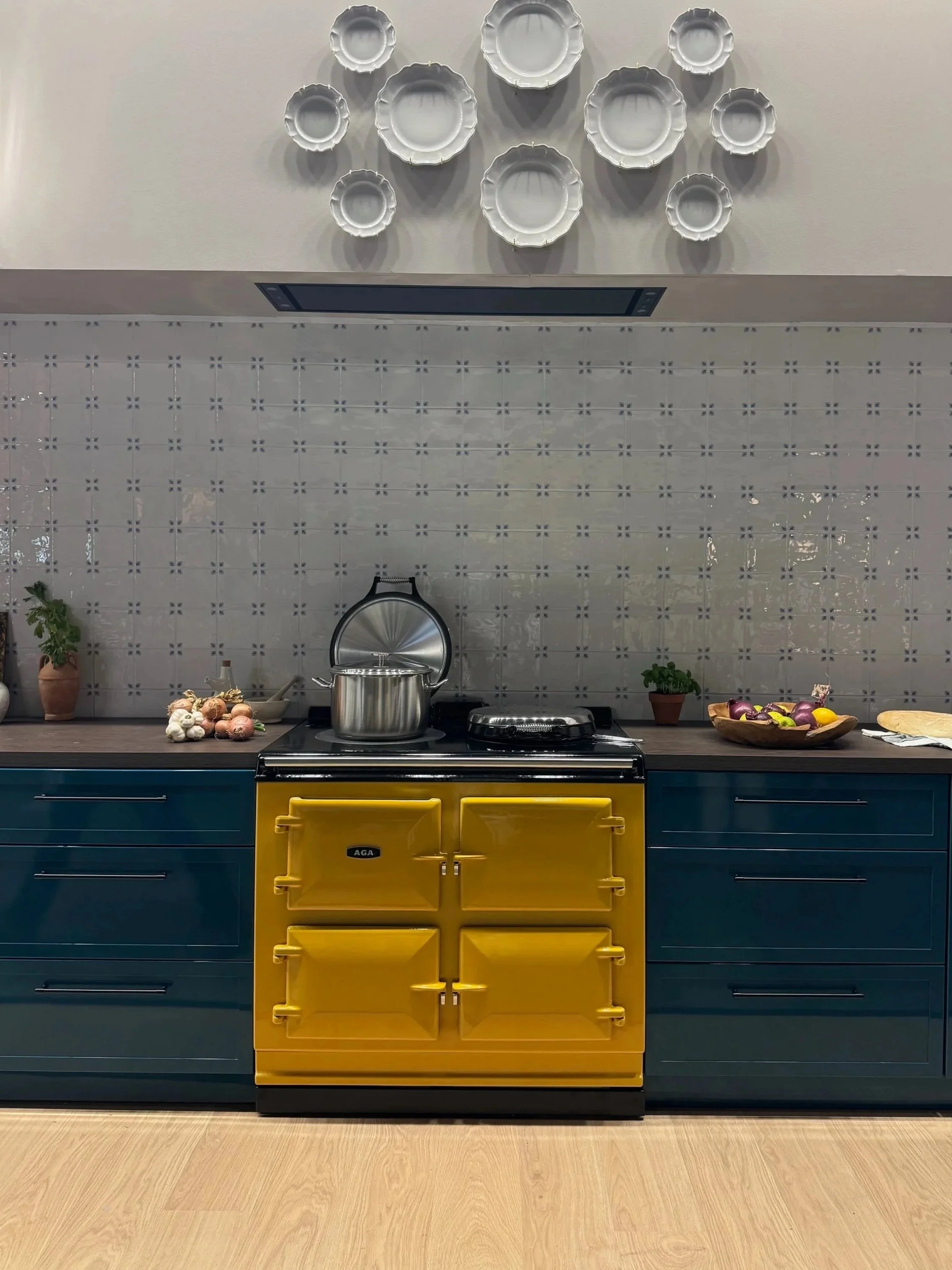
Traditional Kitchens Are Catching My Attention
Although I still love sleek contemporary kitchens, this year I noticed myself paying much more attention to traditional kitchen brands and their appliances.
I would love to one day design a kitchen that feels warmer and more lived-in, almost like an understated working kitchen — whether fully realised within a country house, or through subtly integrating some of its elements into modern living.
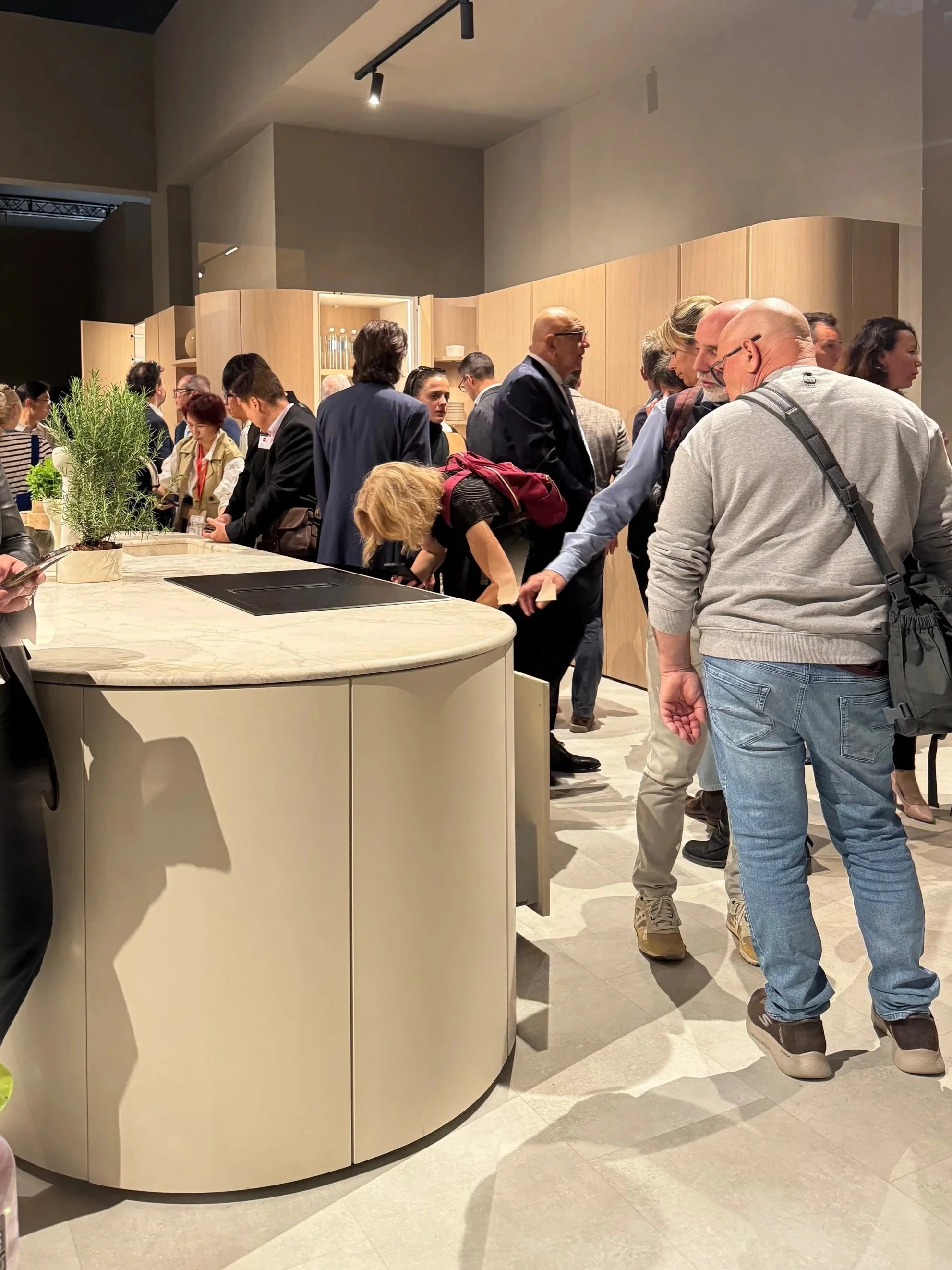
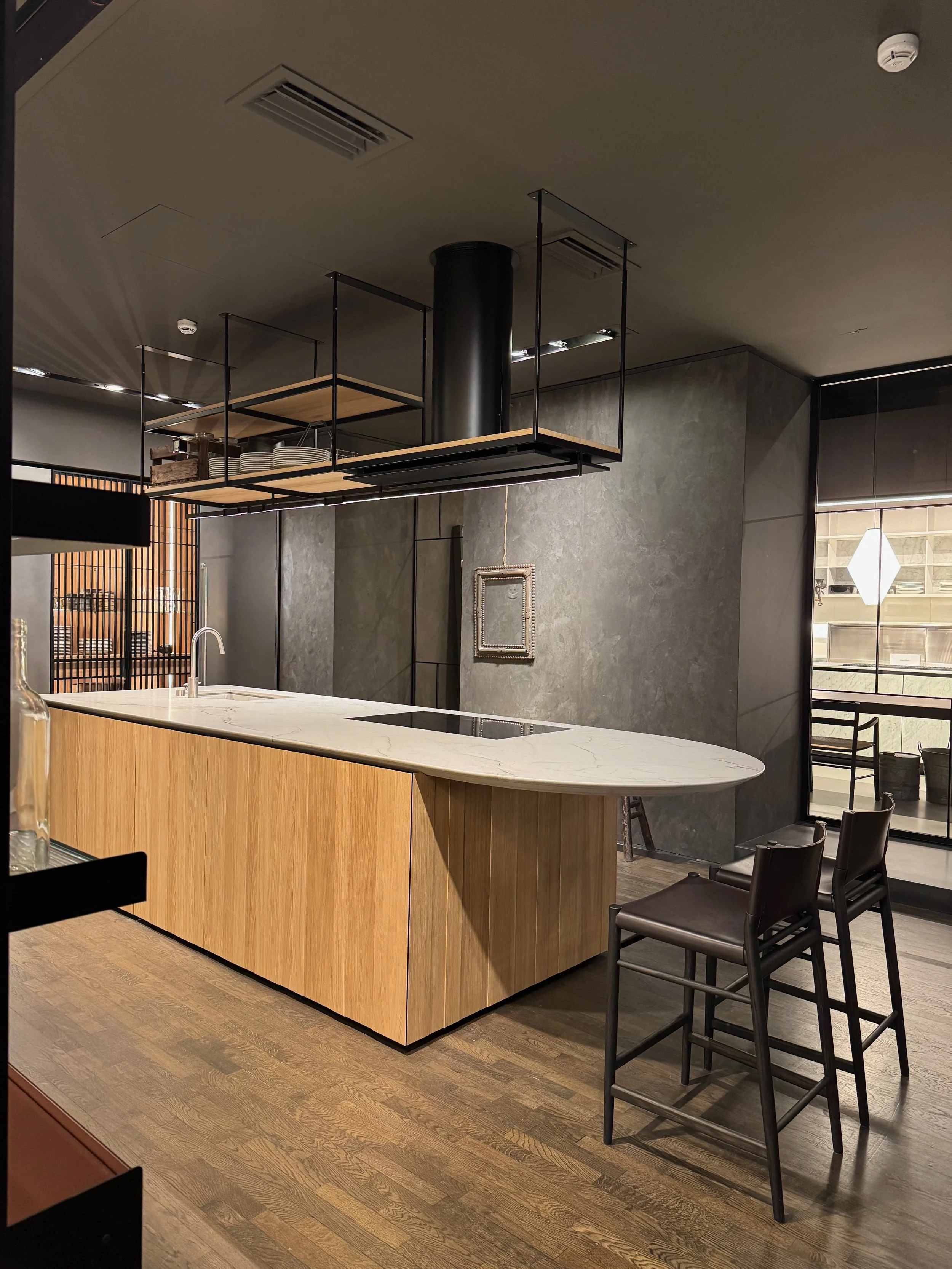
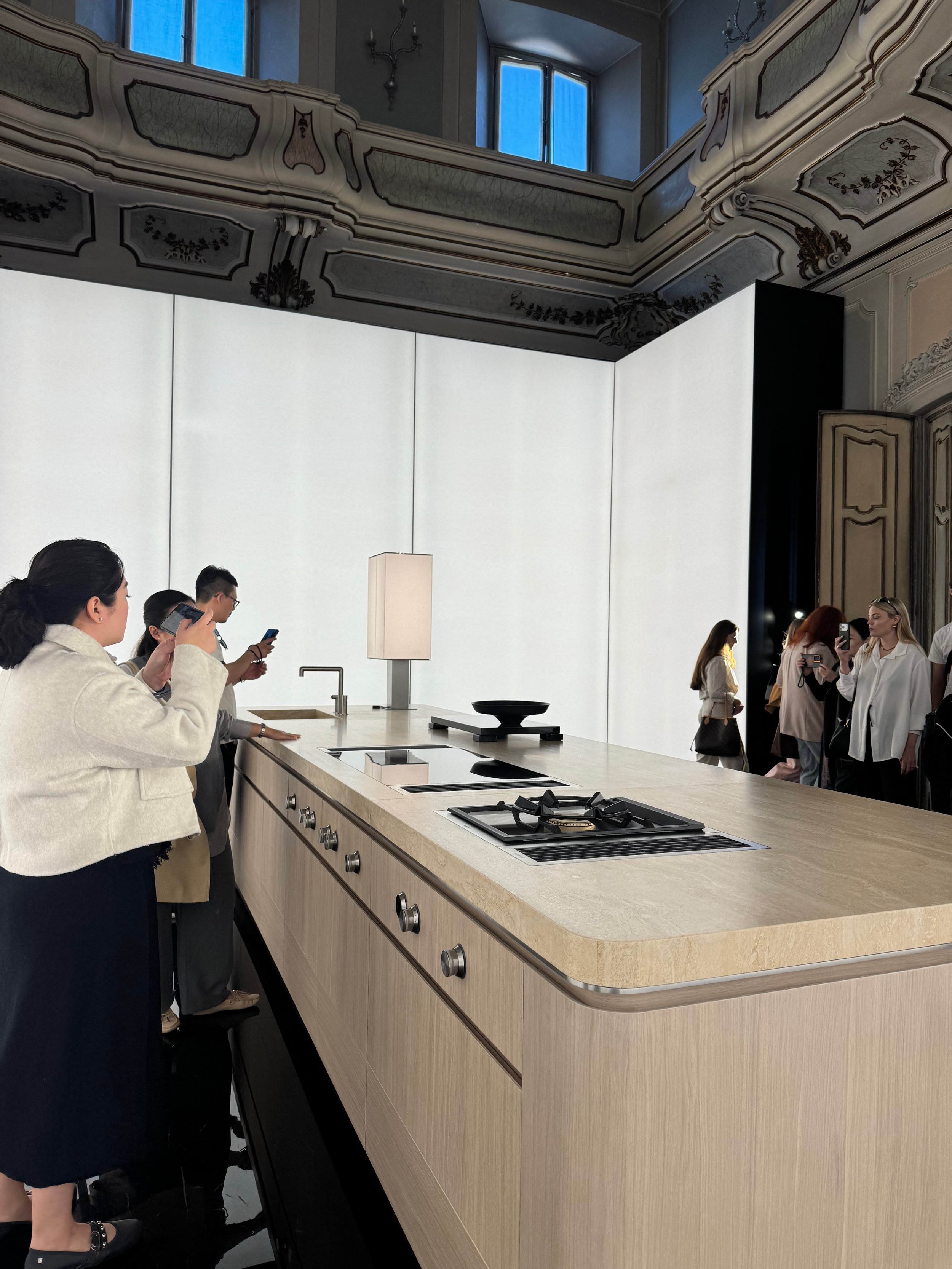
Rounded Island Kitchens
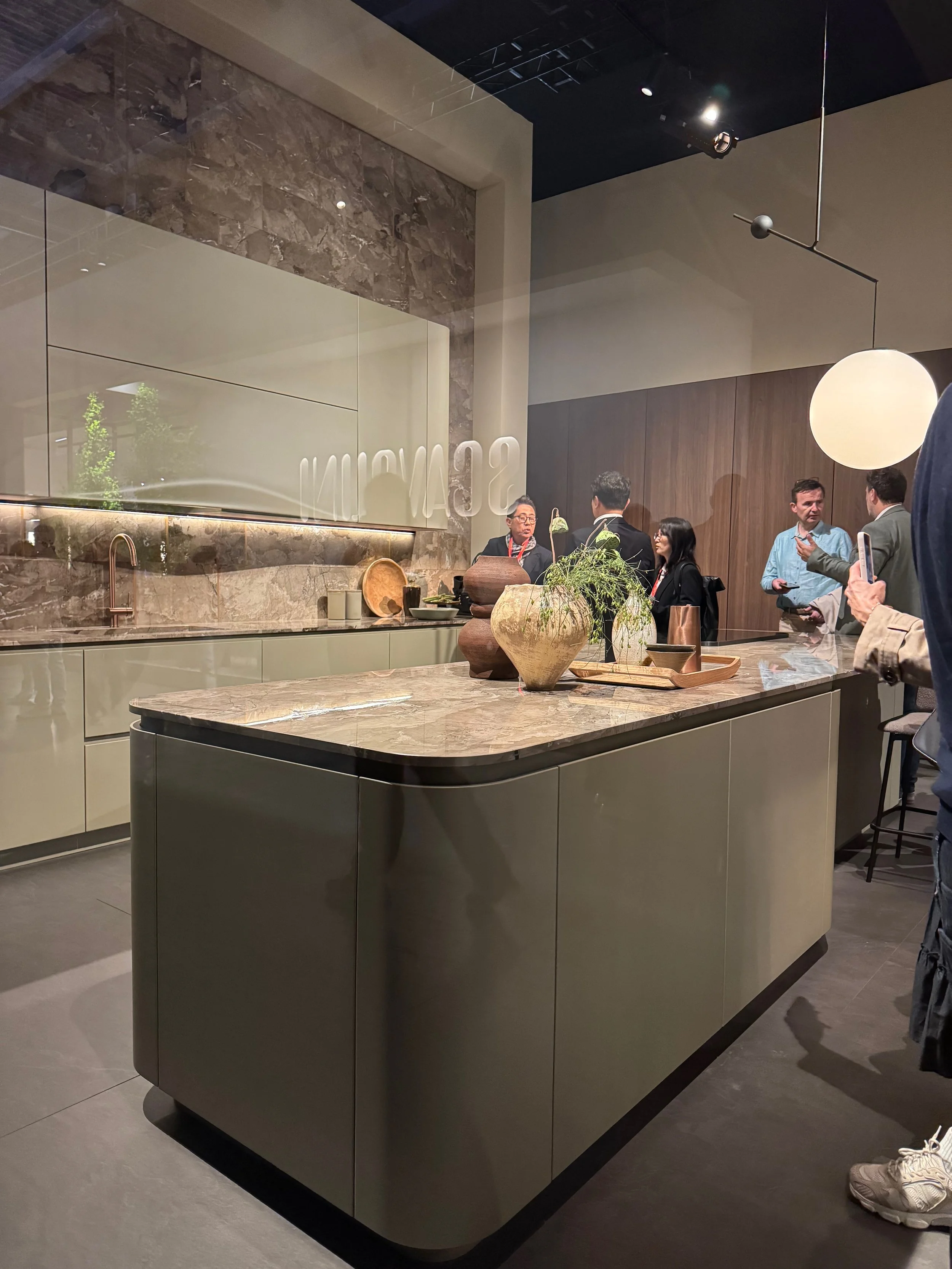
Within contemporary kitchens, I noticed many more rounded forms and softened island corners this year.
These curved geometries immediately created a gentler and more welcoming atmosphere.
Human Scale Over Grandeur
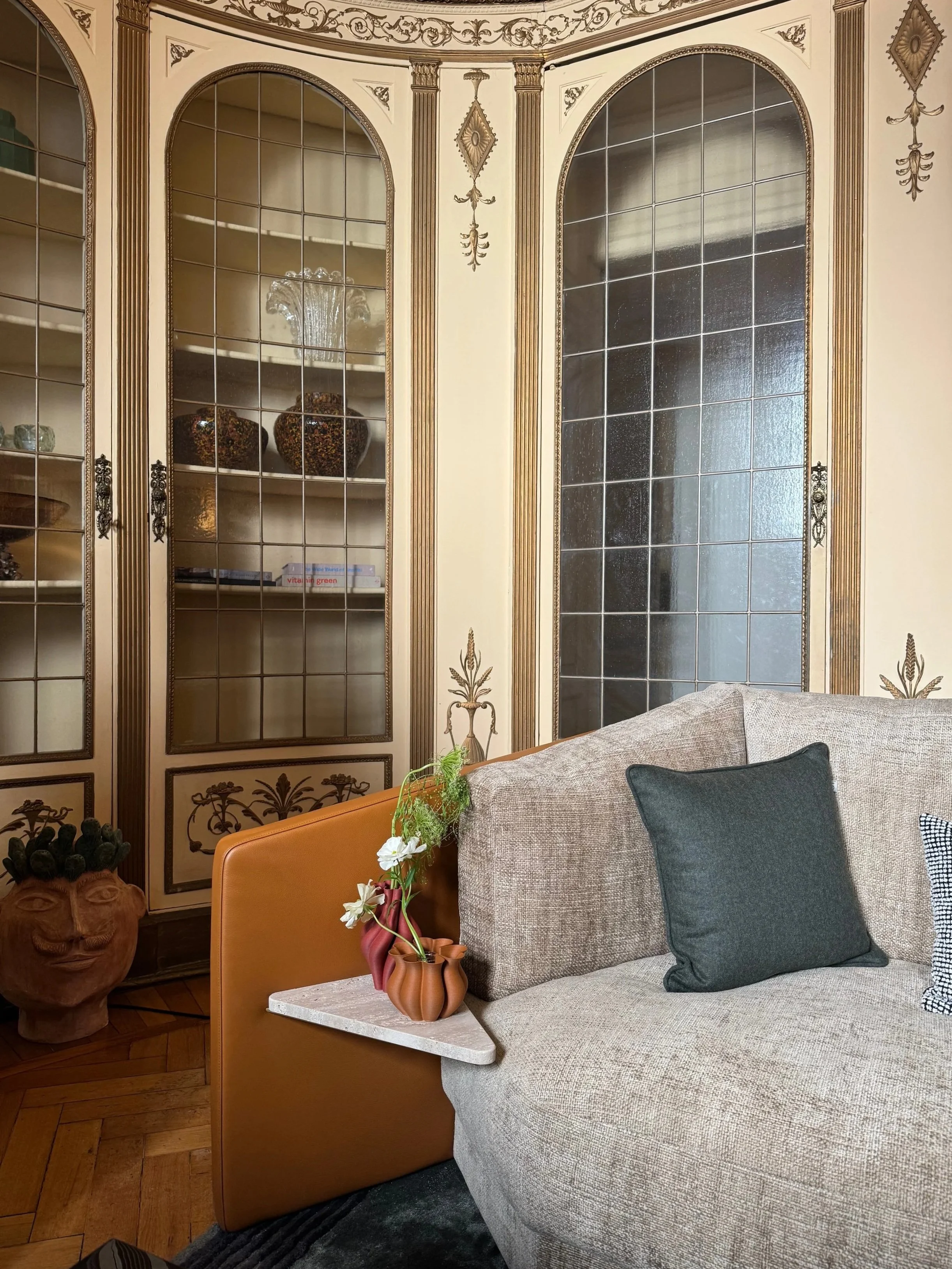
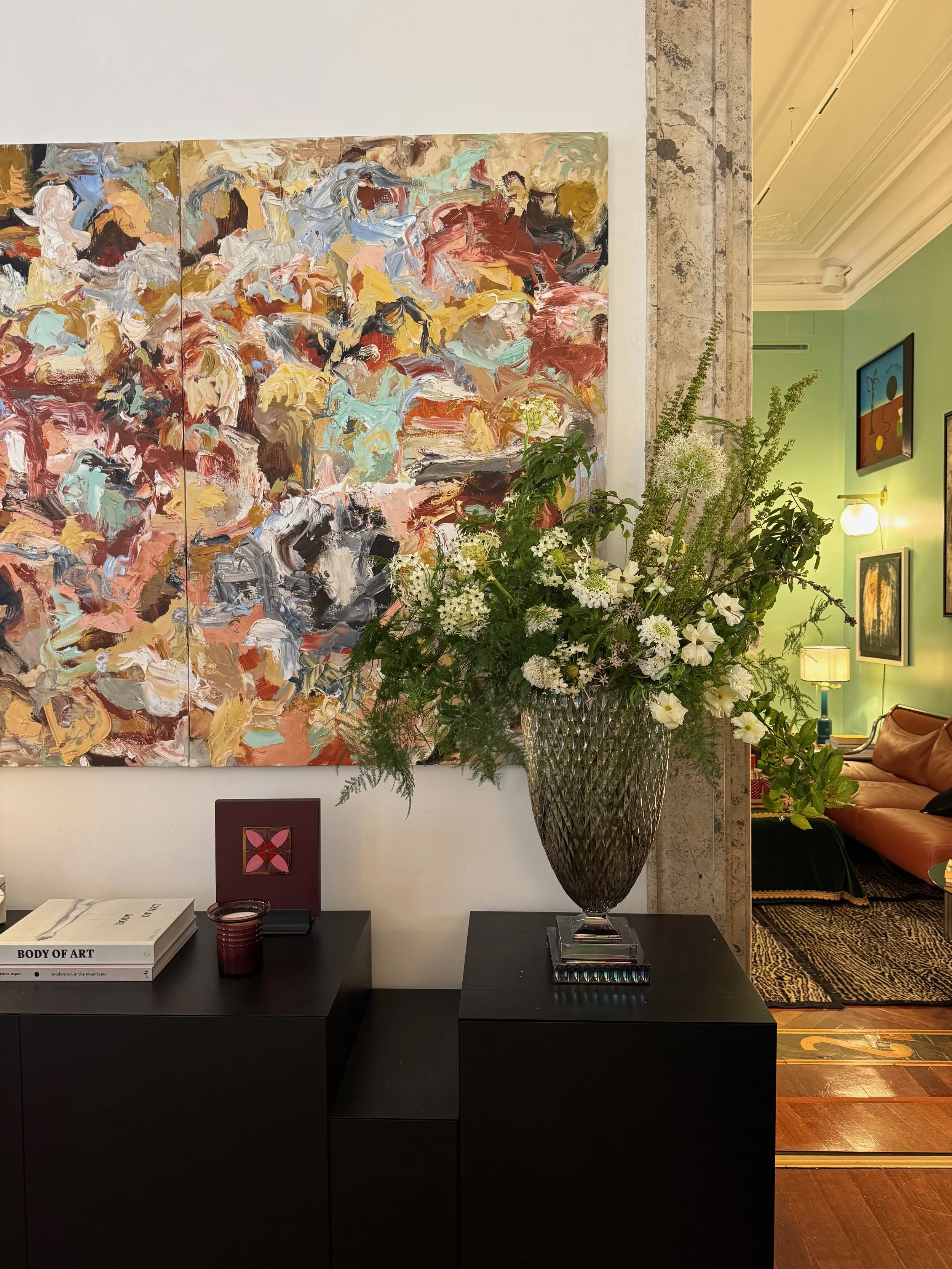
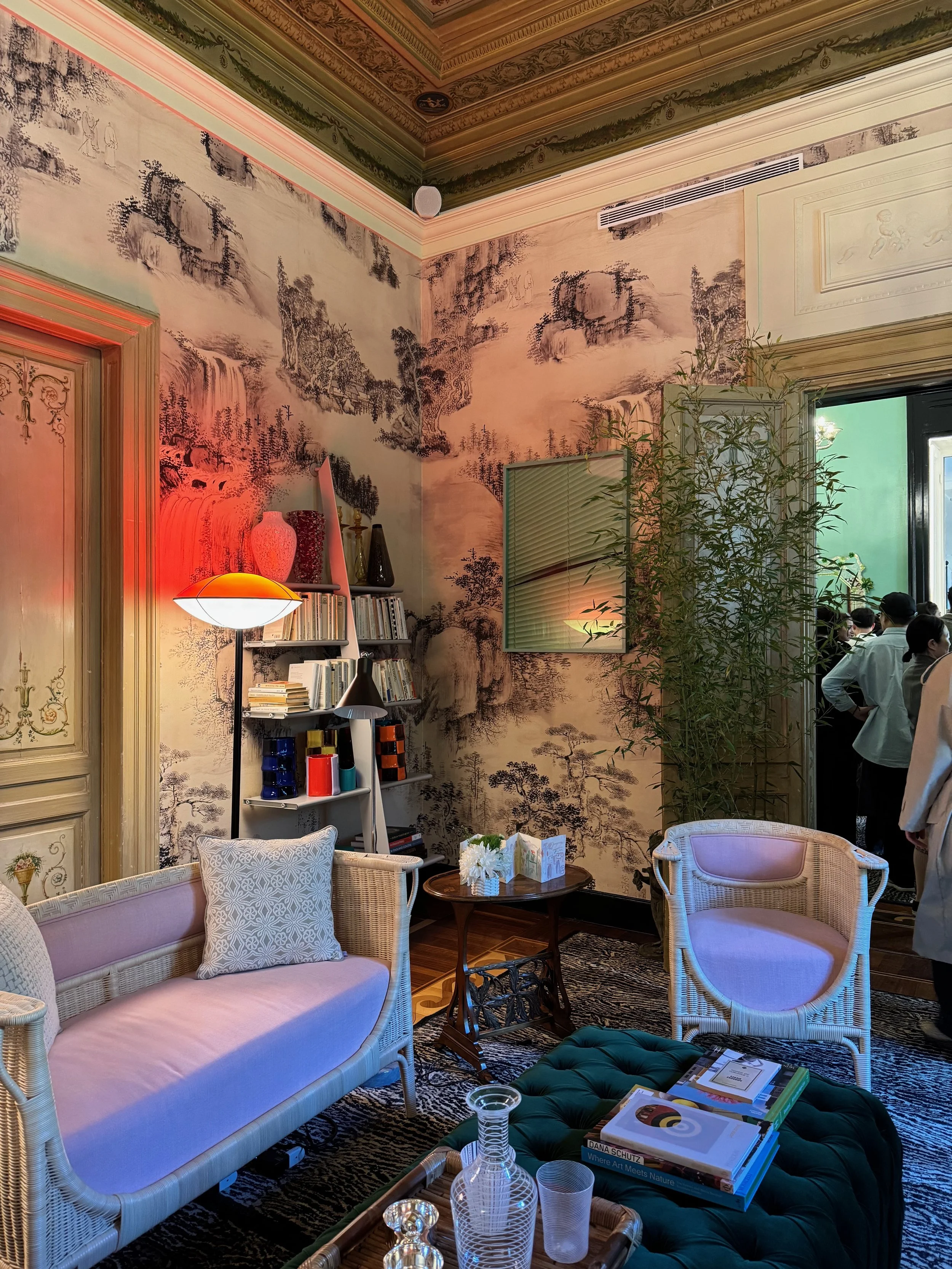
One of the most exciting aspects of Milan Design Week is the opportunity to enter extraordinary palazzos filled with beautiful craftsmanship and dramatic installations.
I truly appreciate those grand spaces and the immersive atmosphere they create.
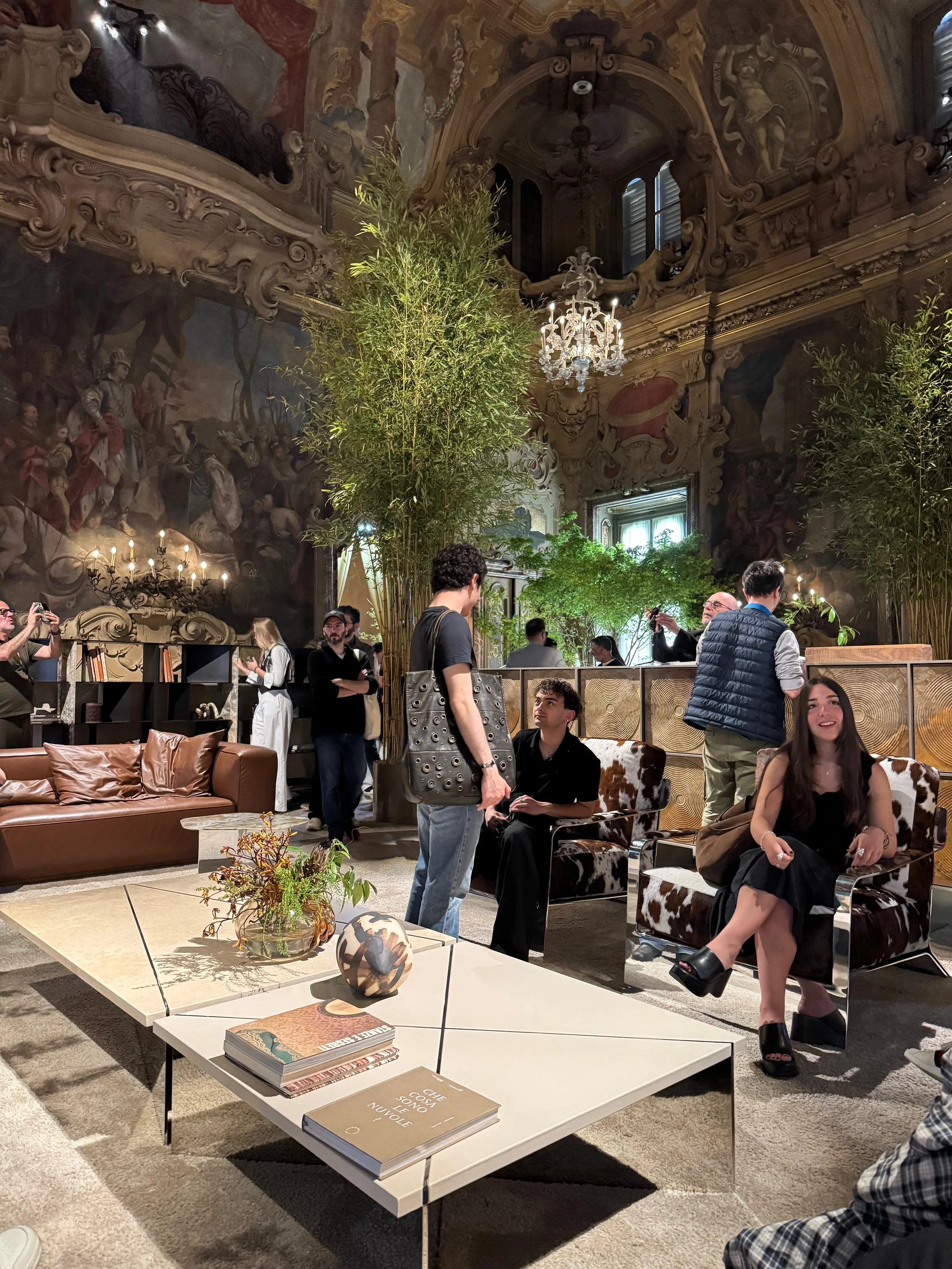
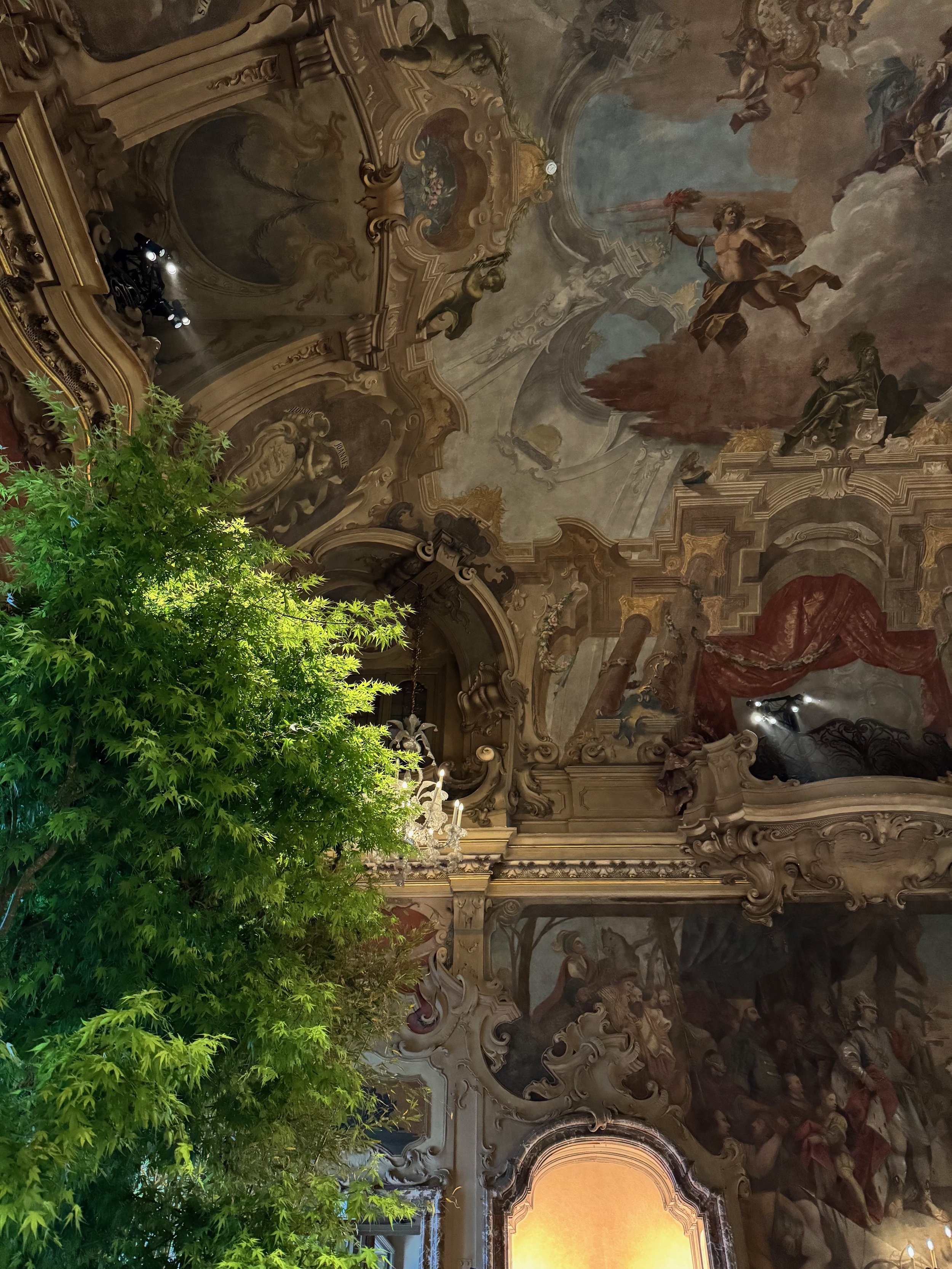
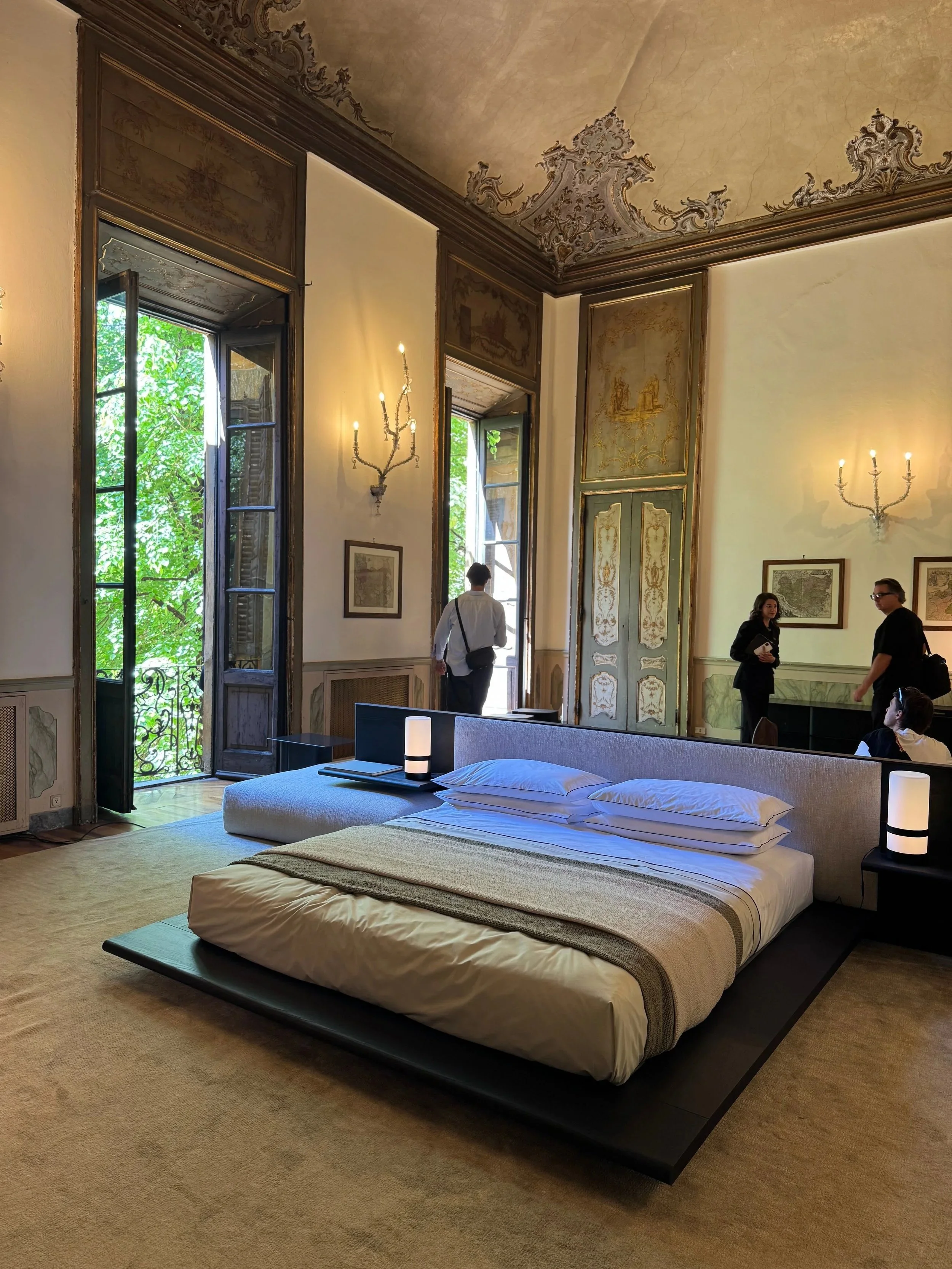
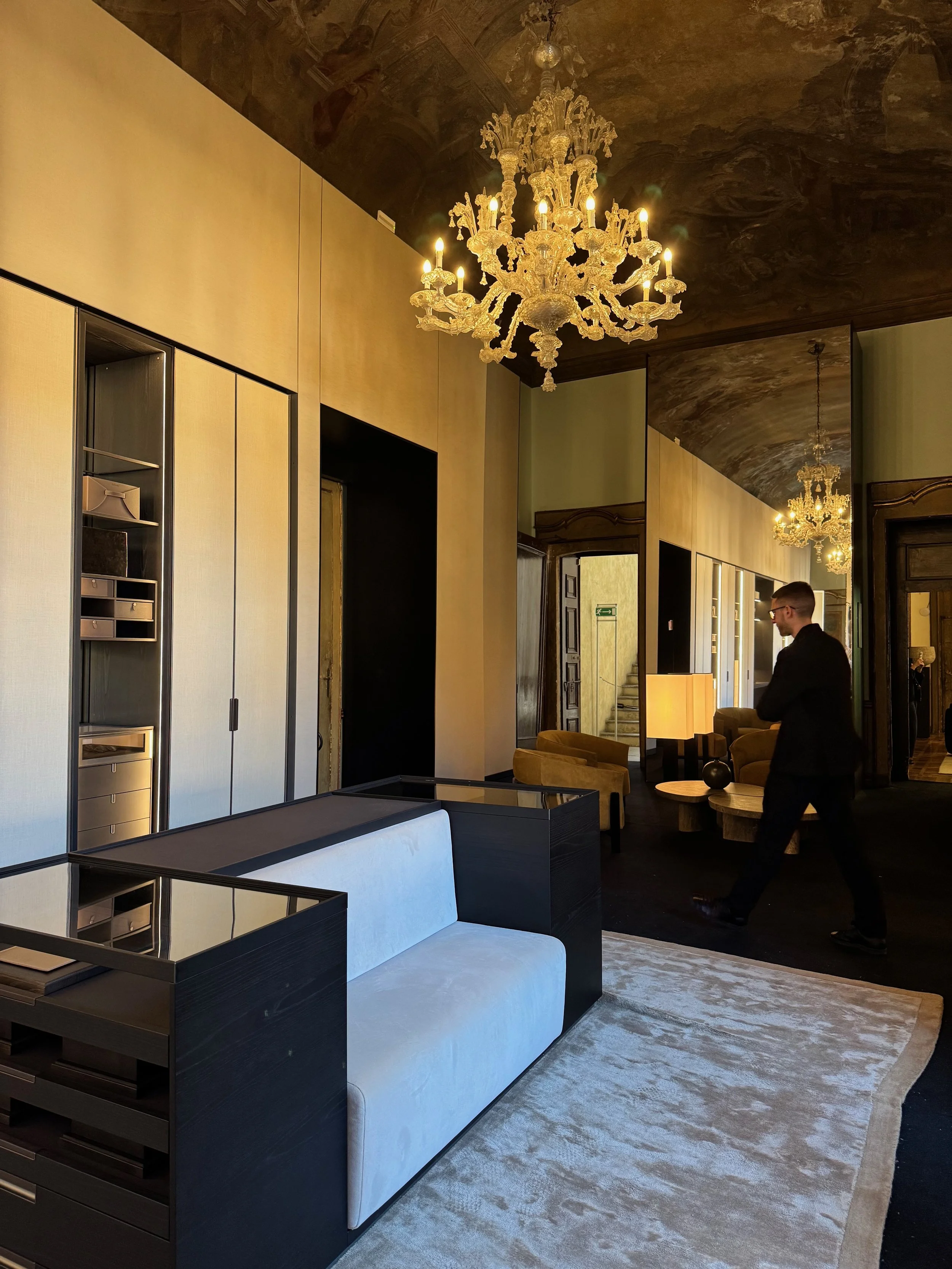
Yet personally, I often find myself even more inspired by smaller-scale apartments and villas.
Casa Ornello remains one of my favourite places to visit. Every year, the apartment is completely reimagined, yet it still feels deeply personal — almost as if I’ve been invited into one of my coolest friend’s homes.
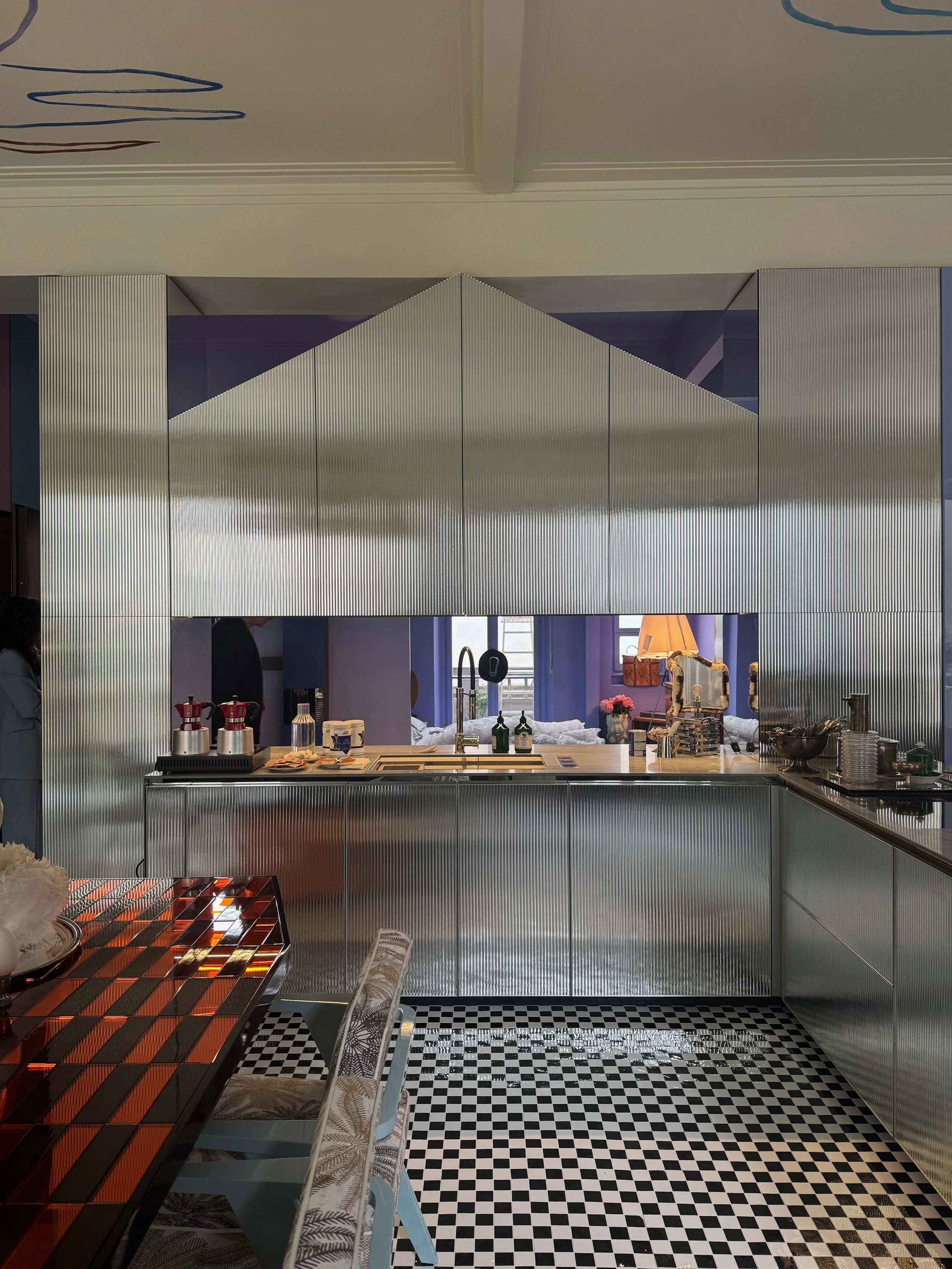
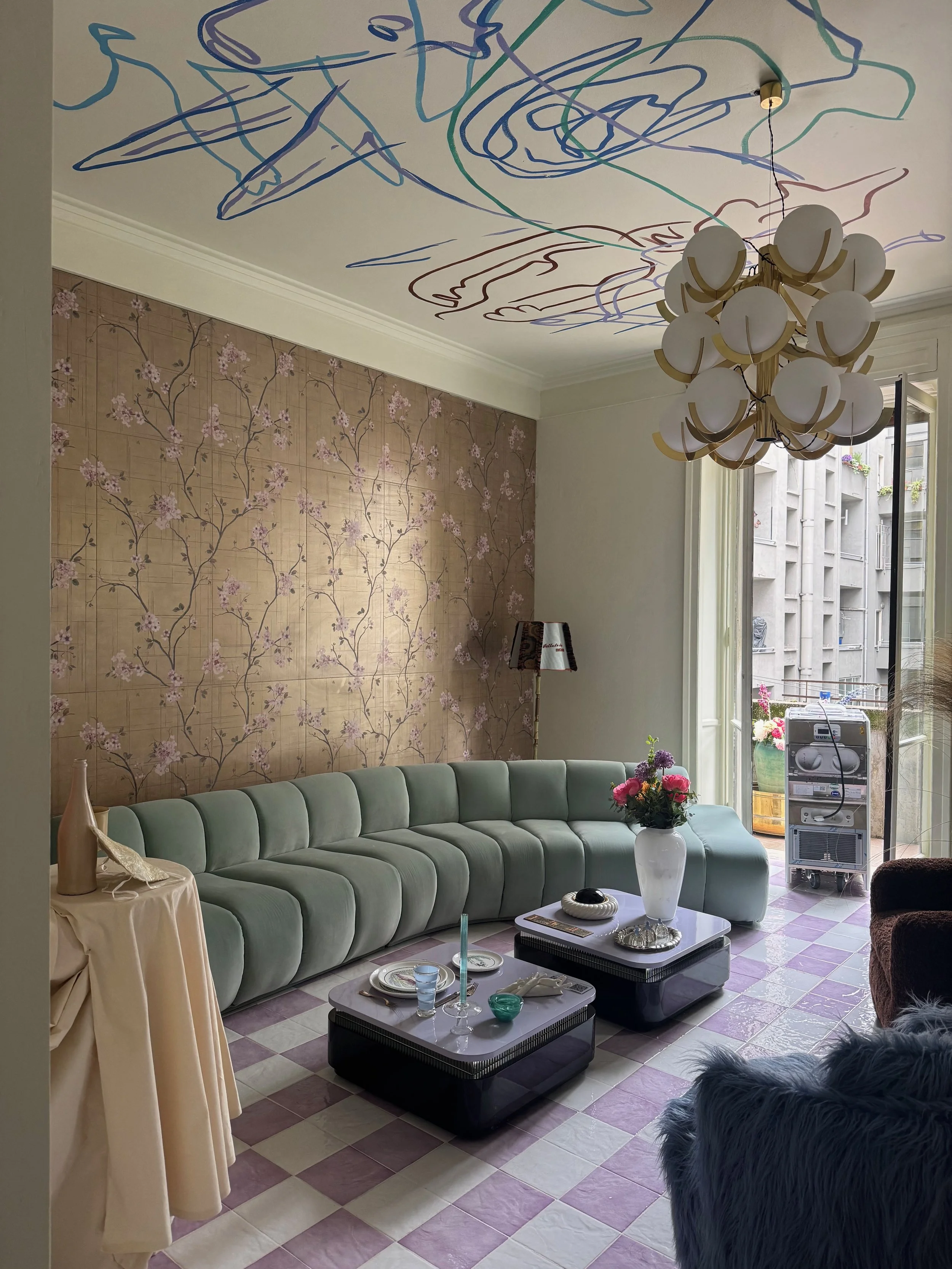
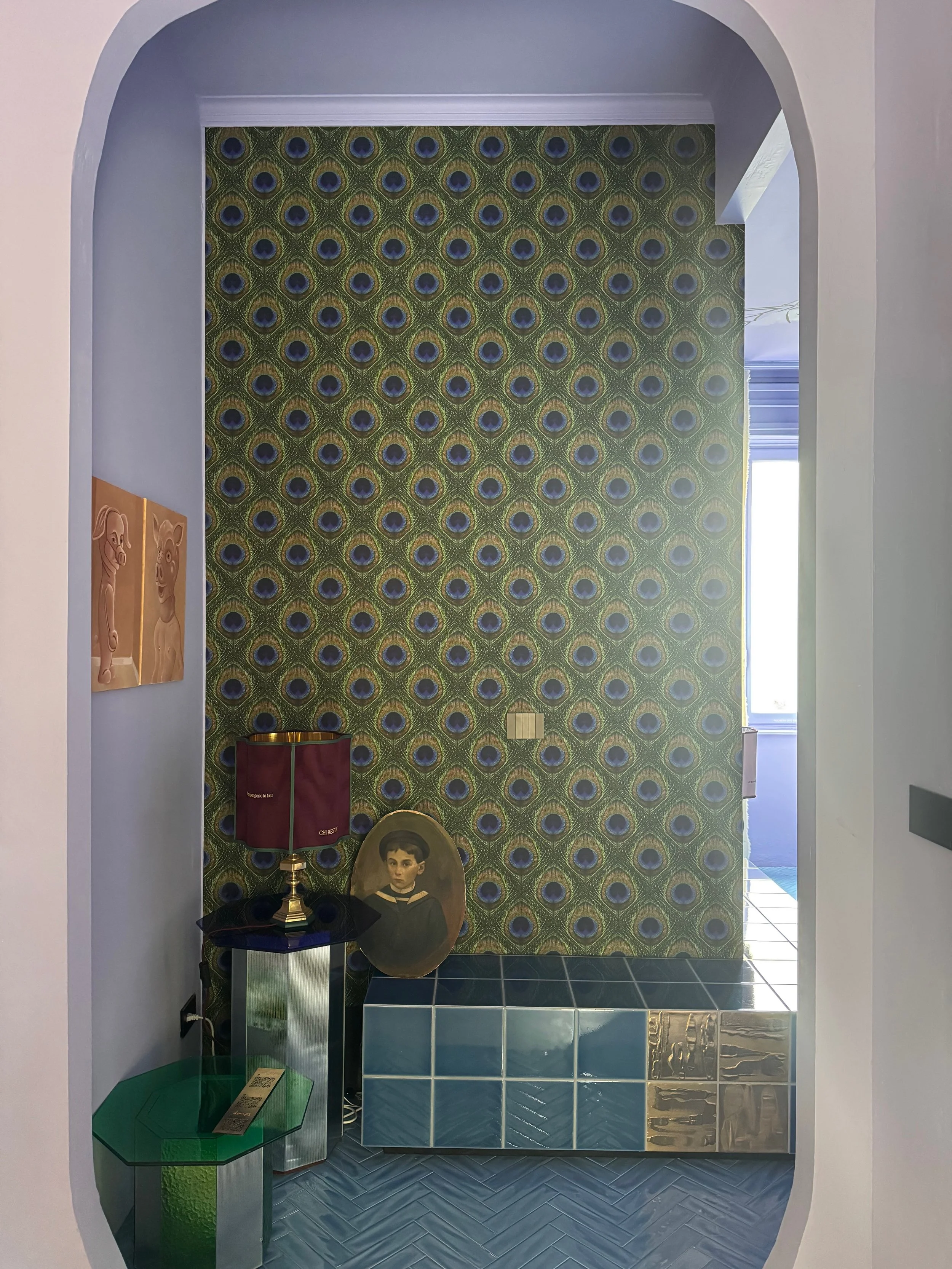
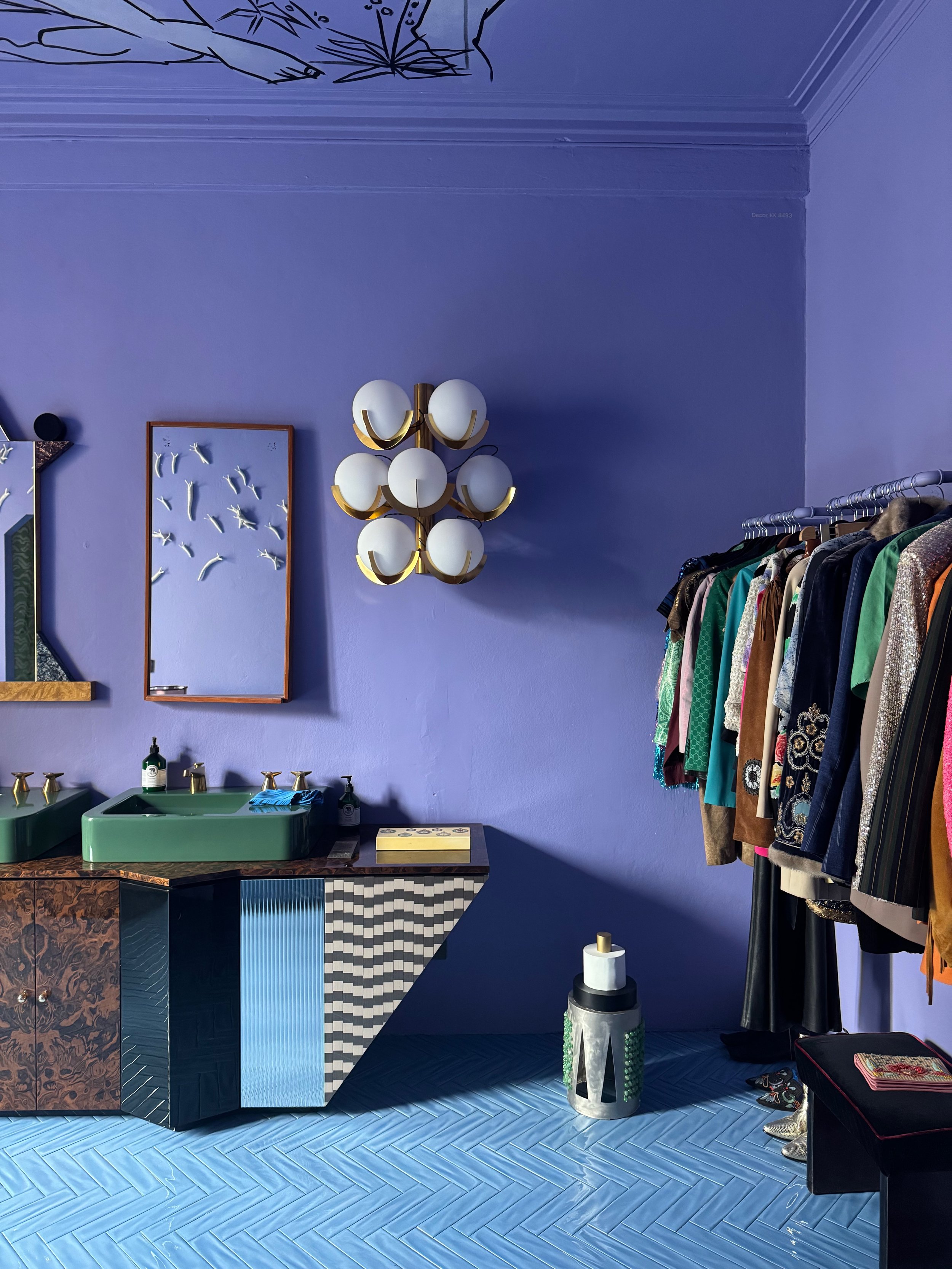
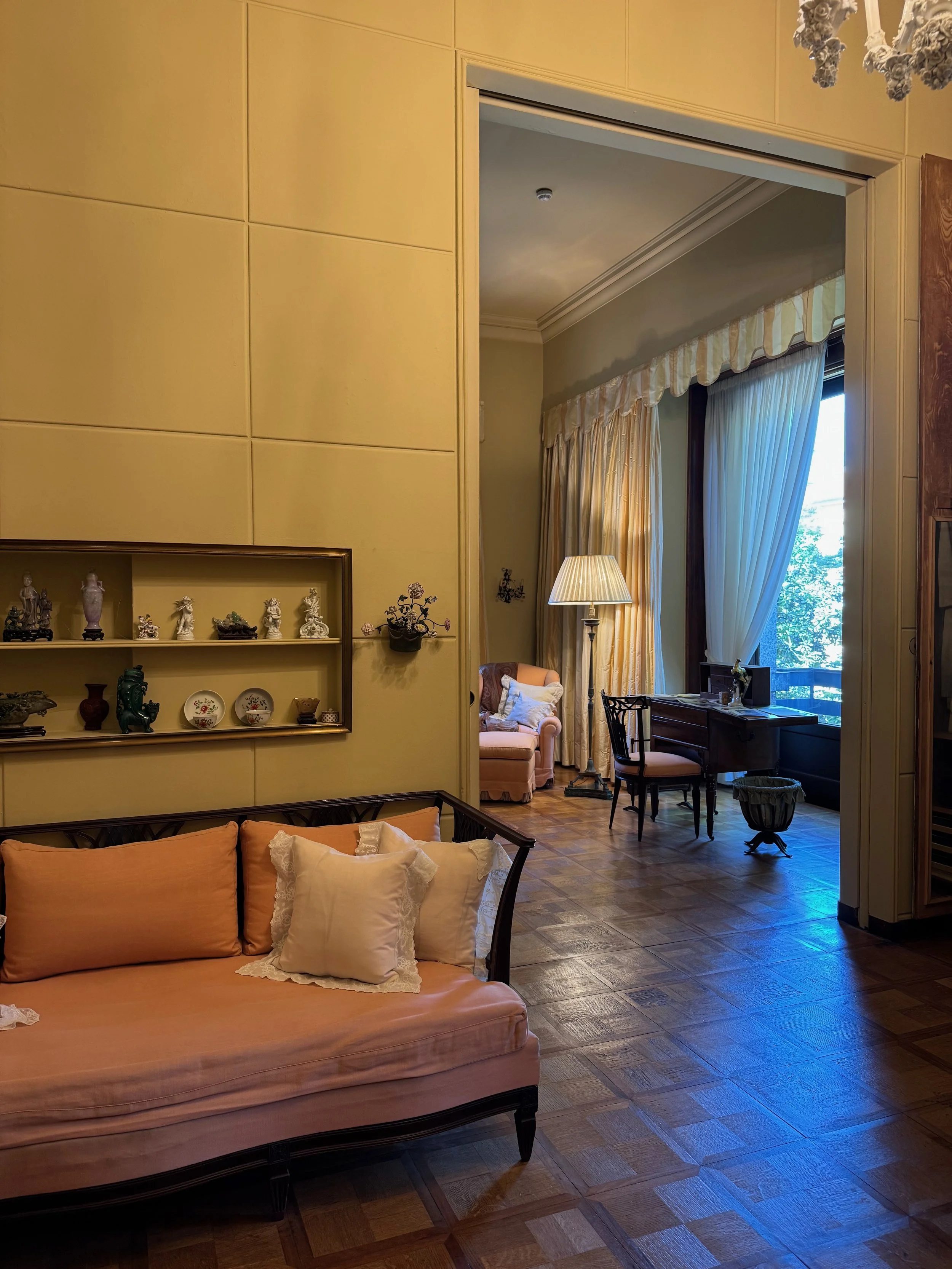
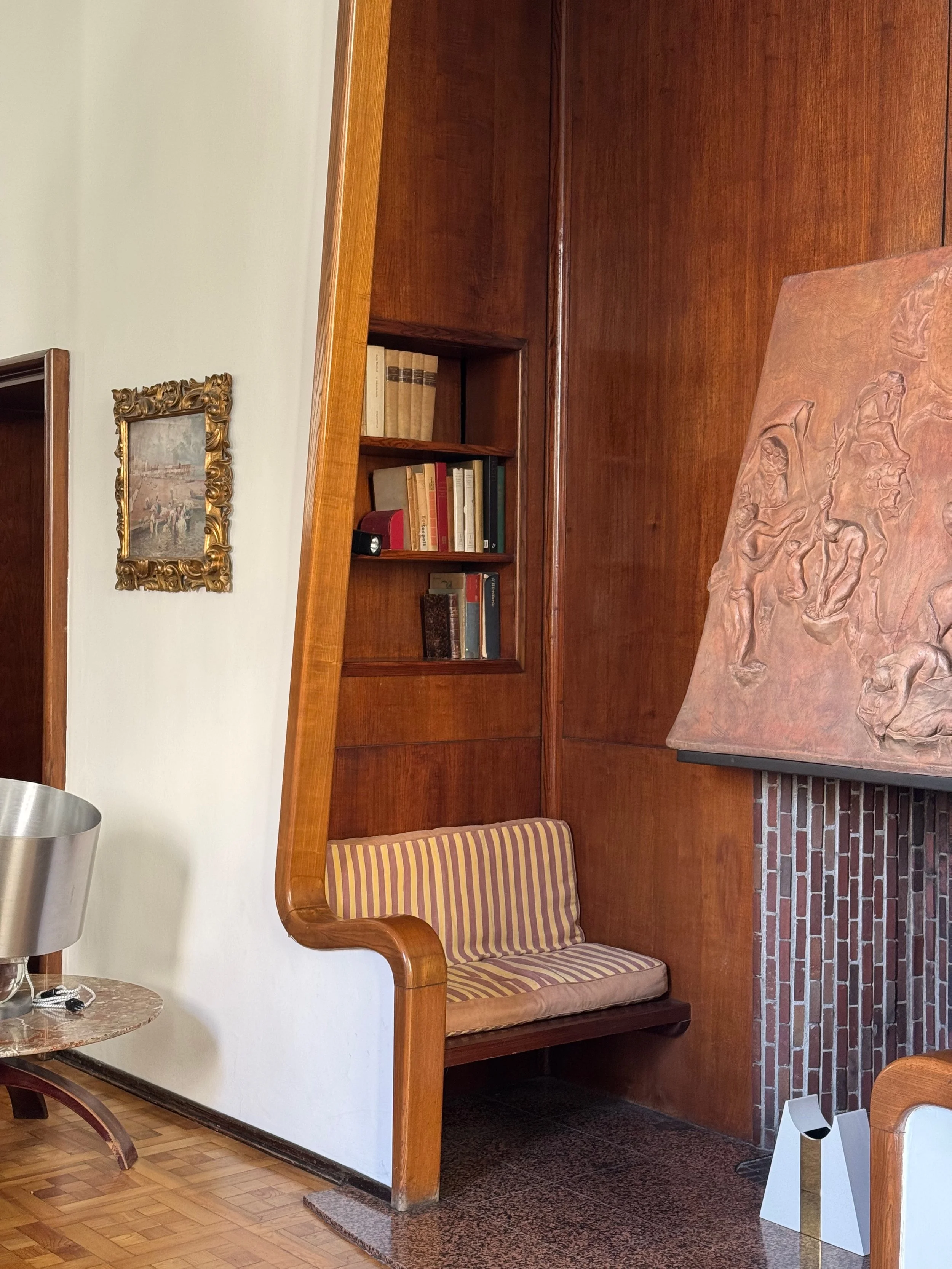
This year, another highlight was the apartment designed by Osvaldo Borsani on Via Bigli 21. The interior felt timeless and elegant while subtly integrating sleek modern elements.
One of the most memorable moments for me was a fireplace-centred conversation nook with built-in seating. It felt incredibly intimate and timeless — the kind of place where you could spend hours reading or talking.
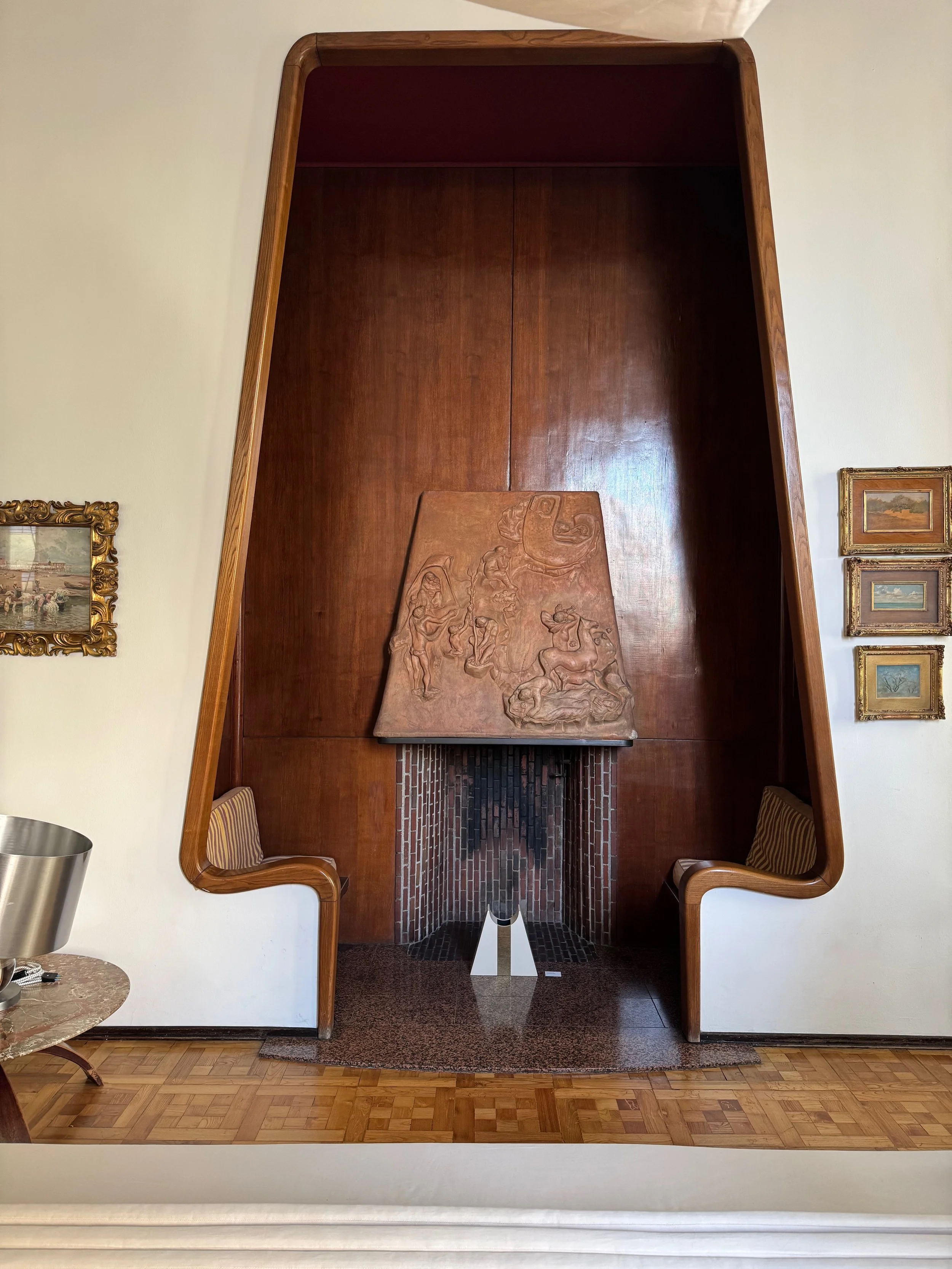
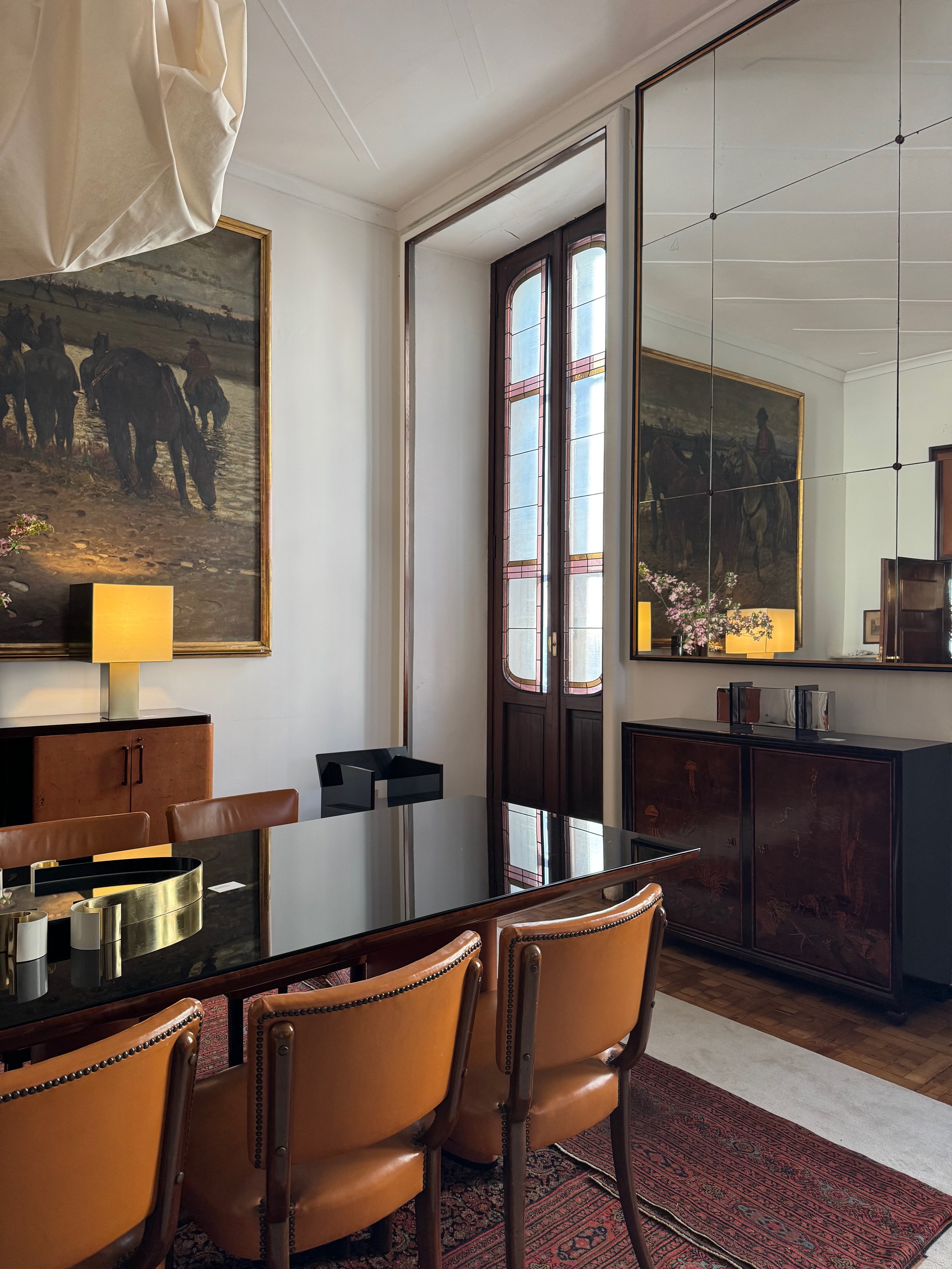
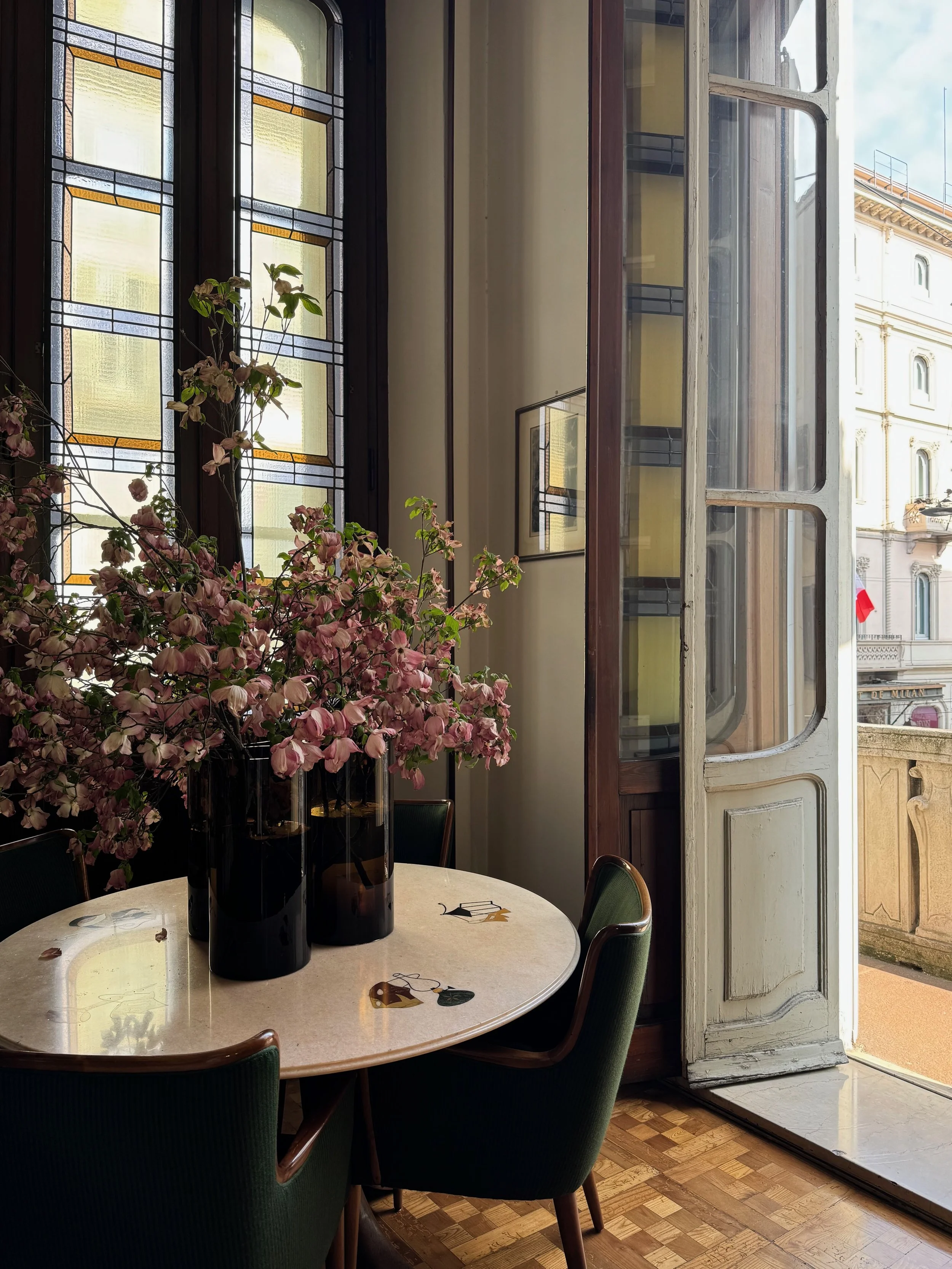
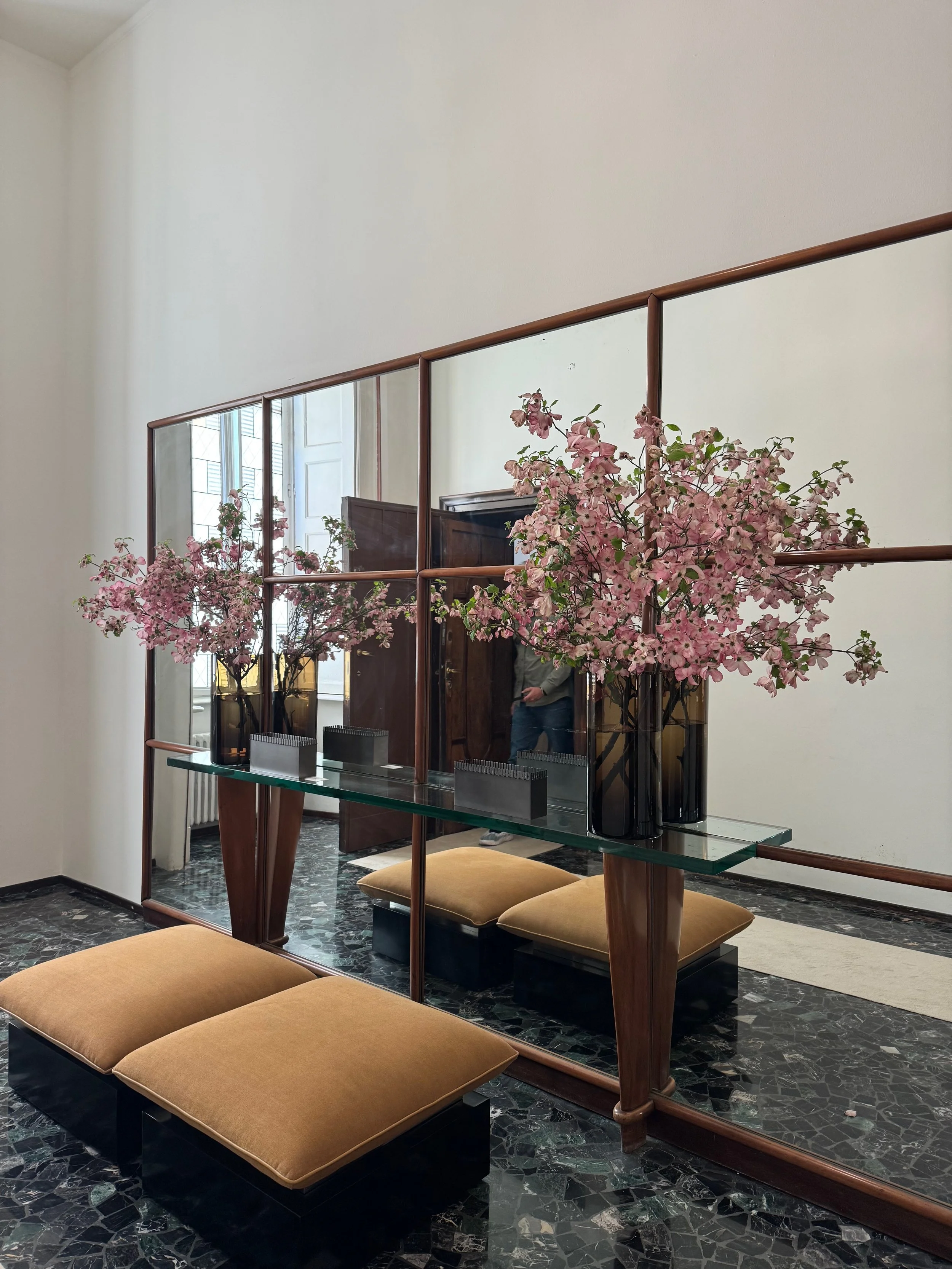
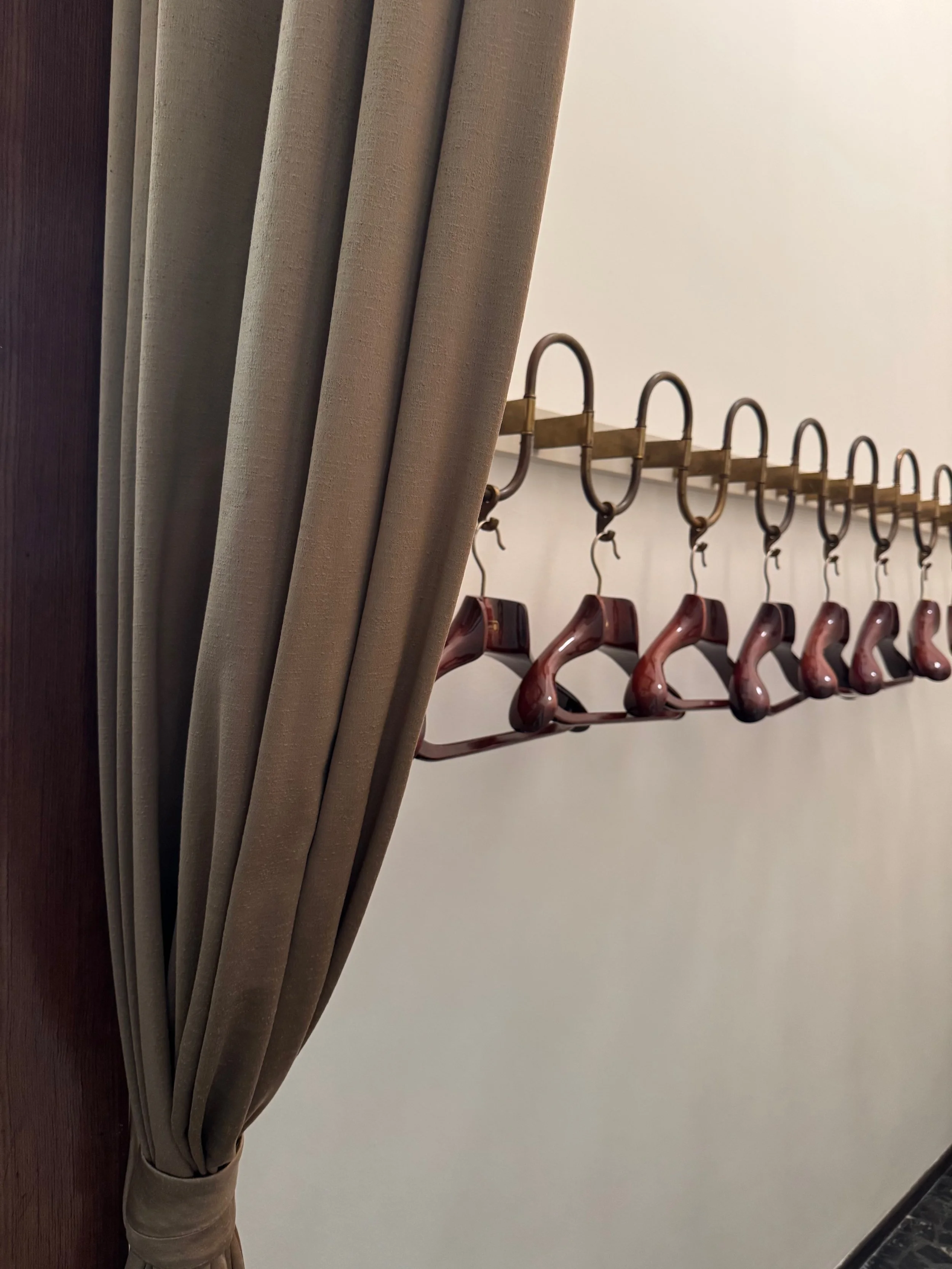
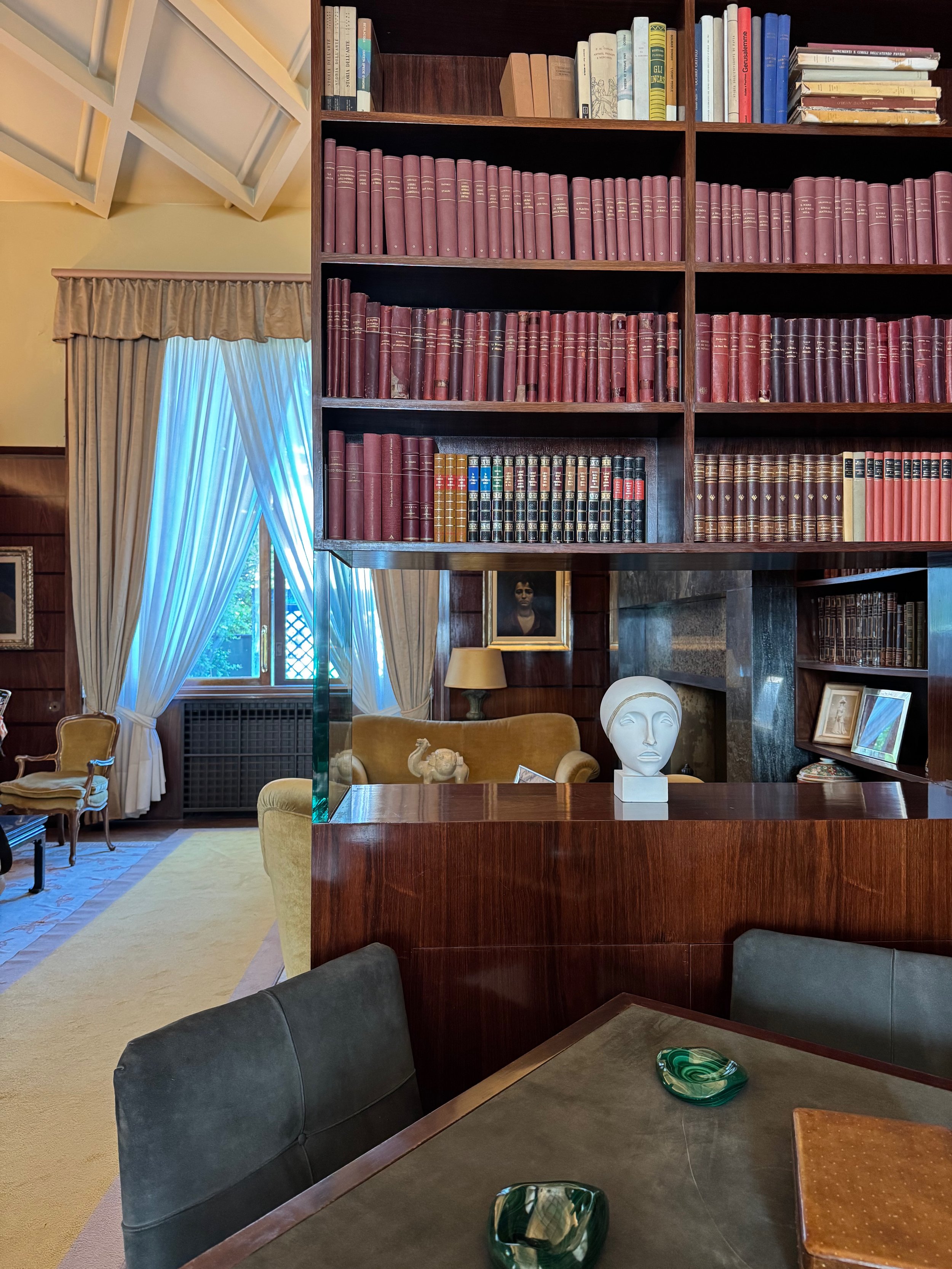
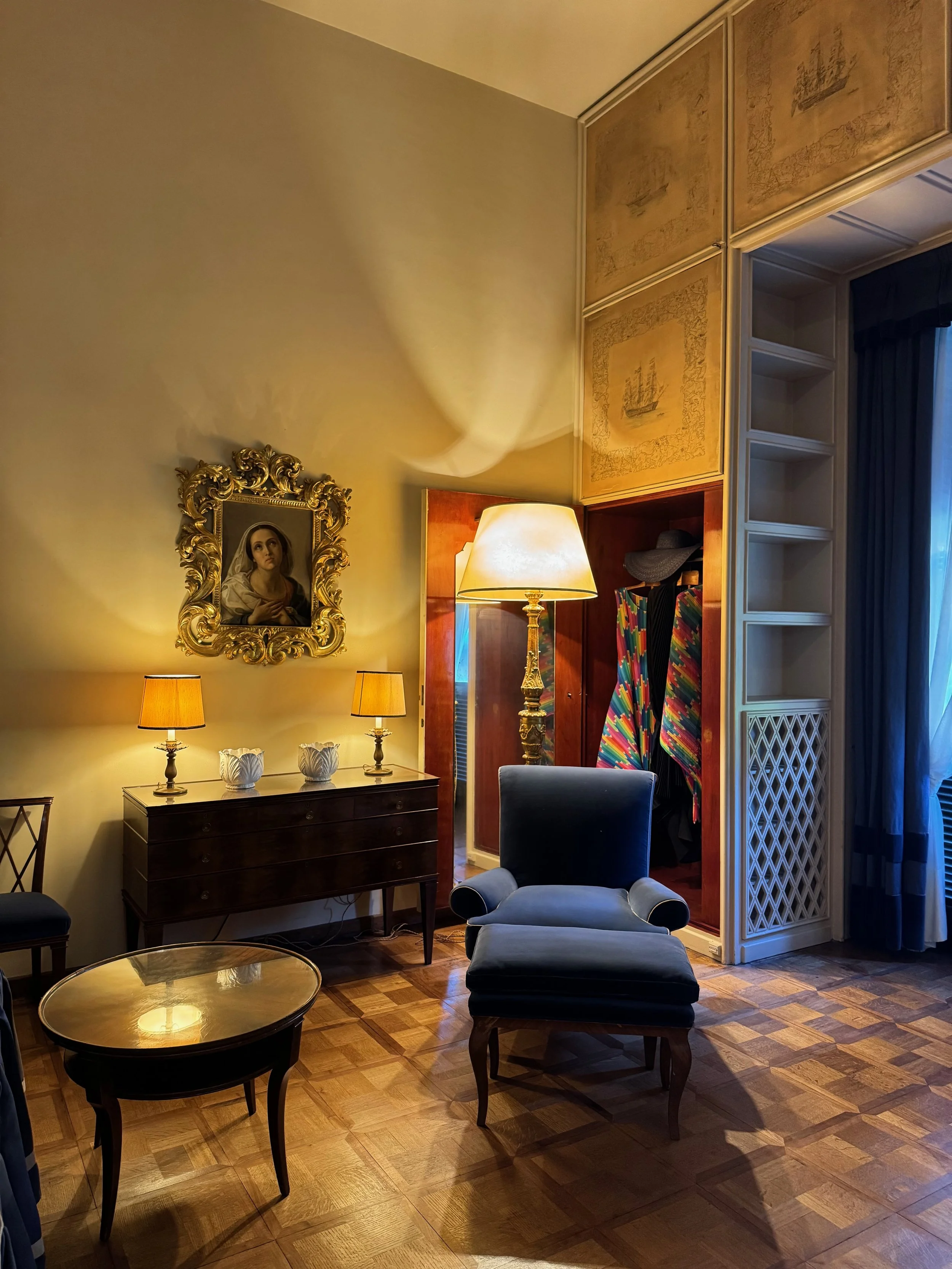
Villa Necchi Campiglio also continues to inspire me deeply. It reminds me how much we can still learn from formal and classical ways of living and reinterpret them into more contemporary lifestyles.
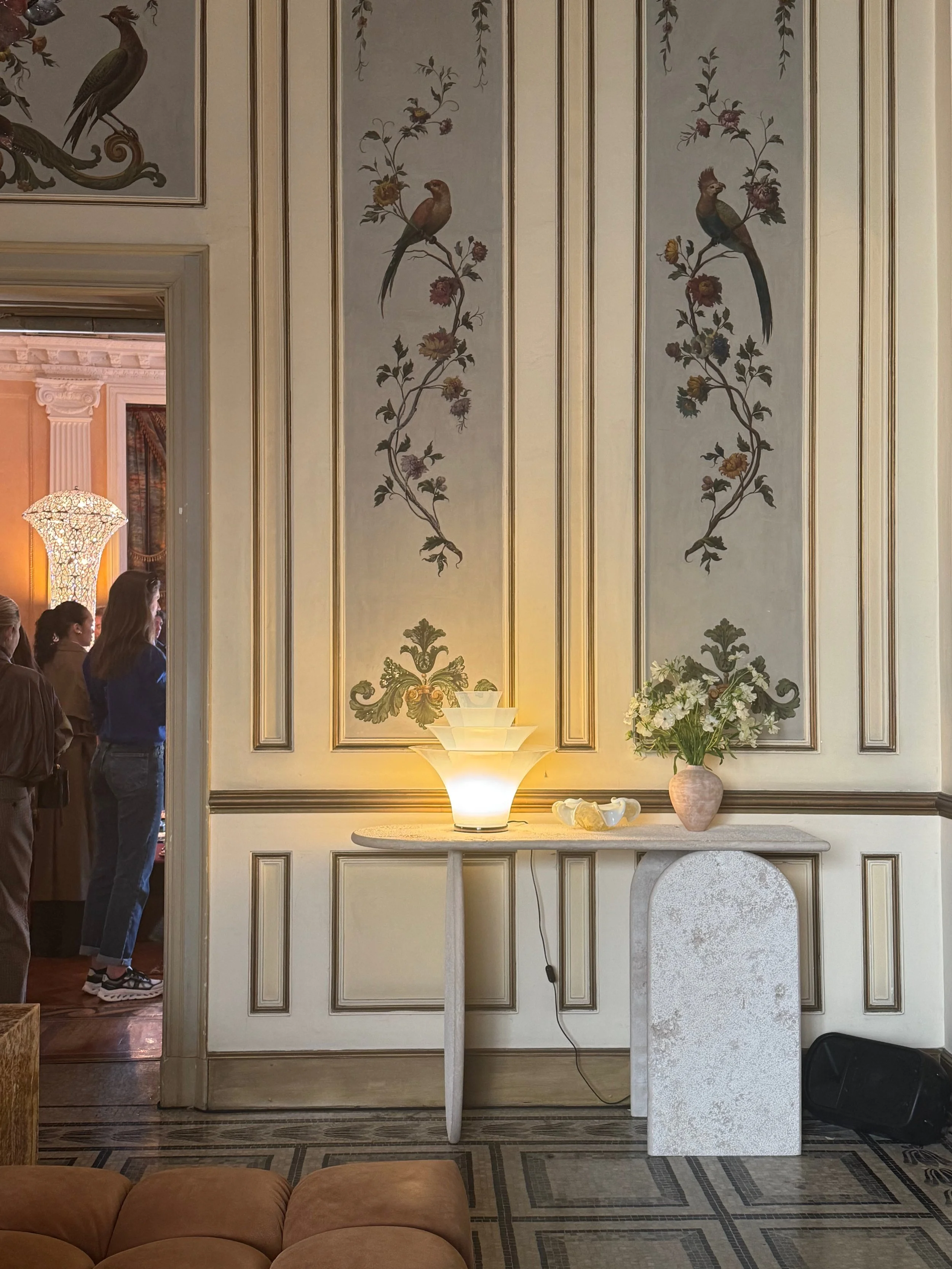
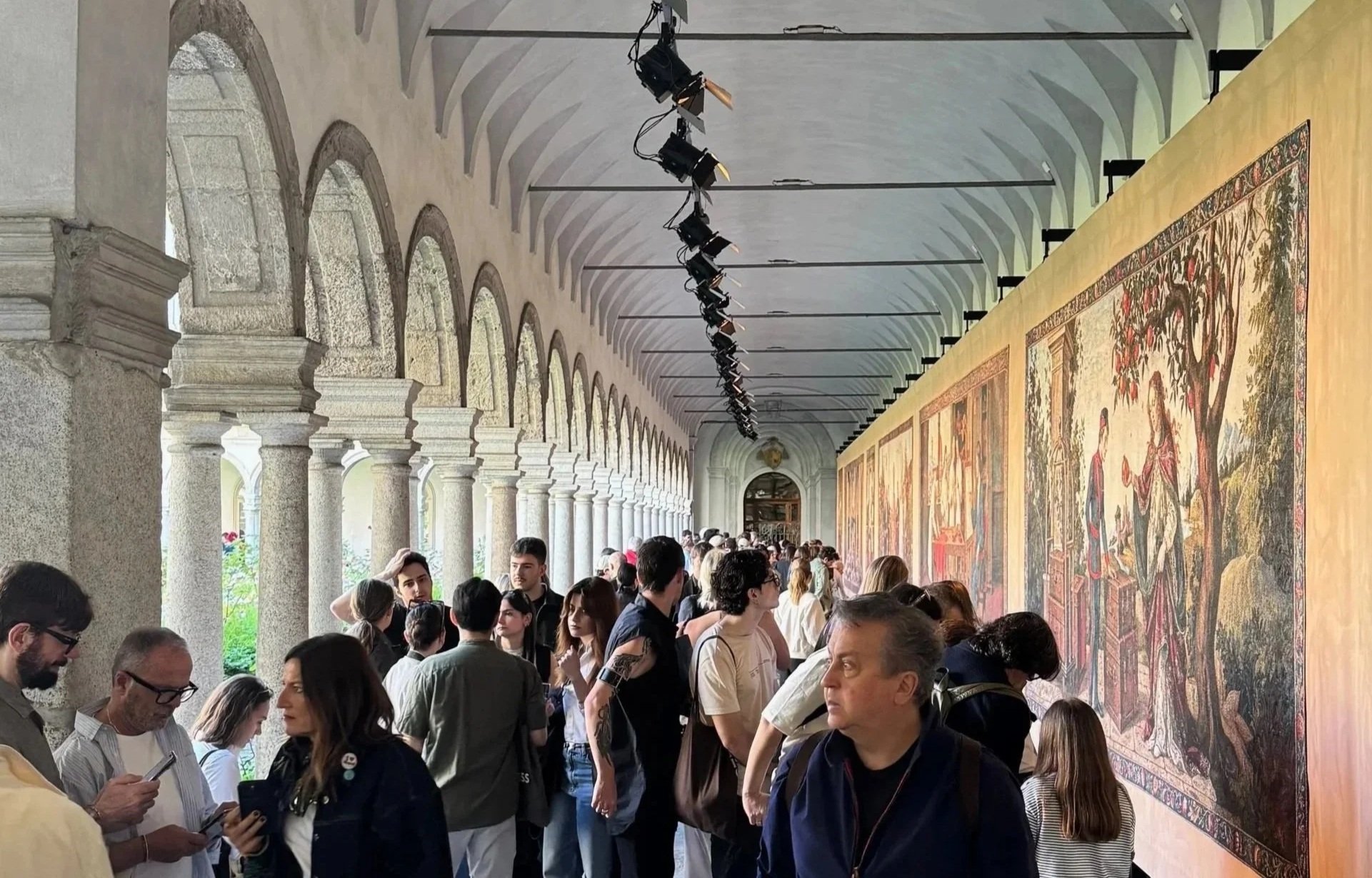
Artemest, meanwhile, has become slightly harder to recommend because of the extremely long queues, although the interiors and craftsmanship remain phenomenal.
Personally, I actually preferred their smaller-scale presentation in 5 Vie back in 2023. But what I still appreciate enormously is the opportunity to experience these historic architectural settings in person.
So many details within these palazzos — proportions, mouldings, transitions, material richness — feel increasingly absent from much contemporary architecture today.
Materiality Matters
One of the greatest values of attending Milan Design Week is the opportunity to experience materiality physically and emotionally.
Materials feel completely different in real life than they do online.
I became especially inspired by how textured finishes can elevate neutral palettes in a subtle but luxurious way.
White surfaces, for example, feel much richer and more atmospheric when layered with plaster textures, textiles, or tactile materials rather than appearing flat.
Natural tones such as beige, grey, ivory, and warm whites never feel boring when paired with thoughtful materiality and craftsmanship.
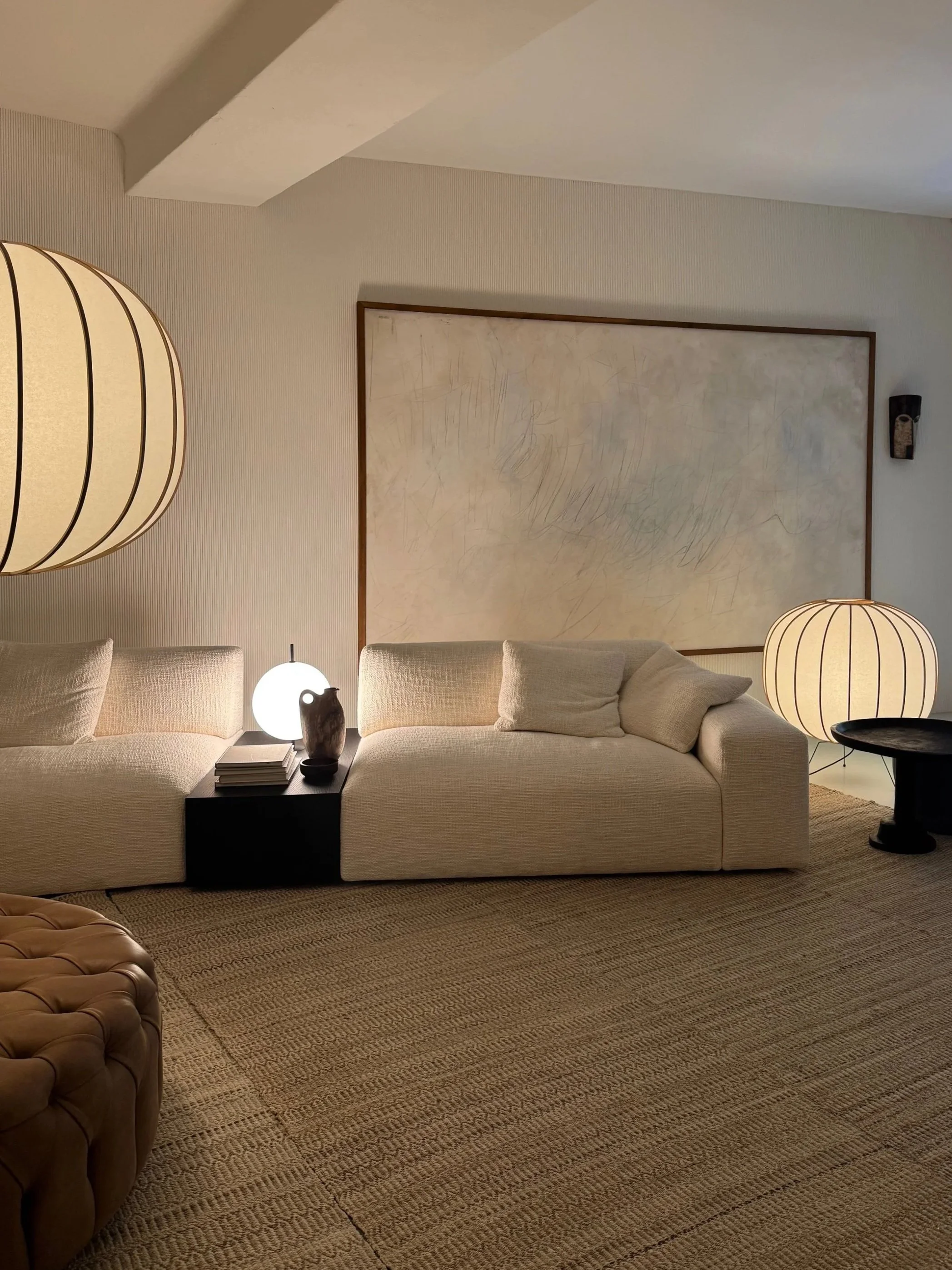
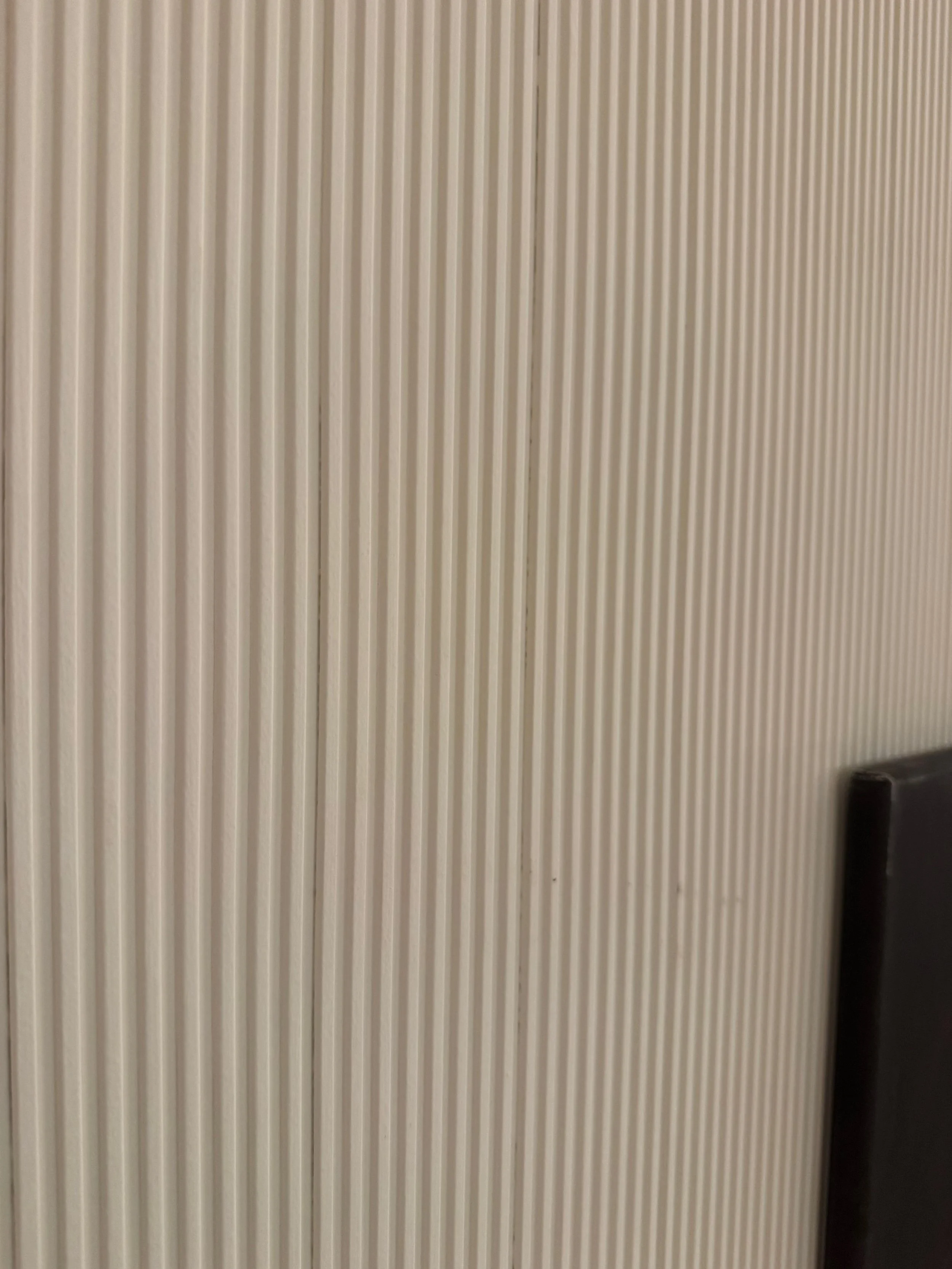
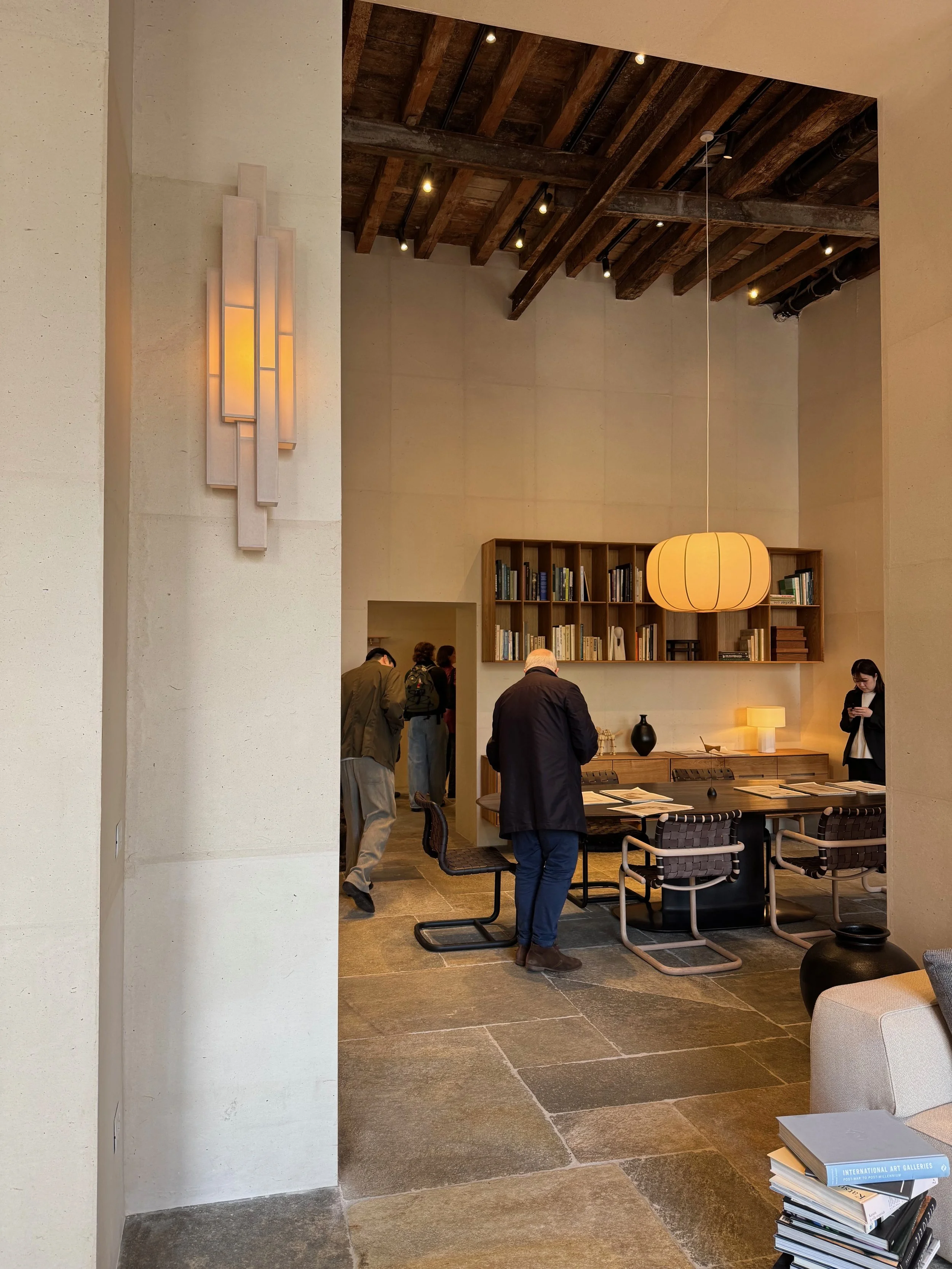
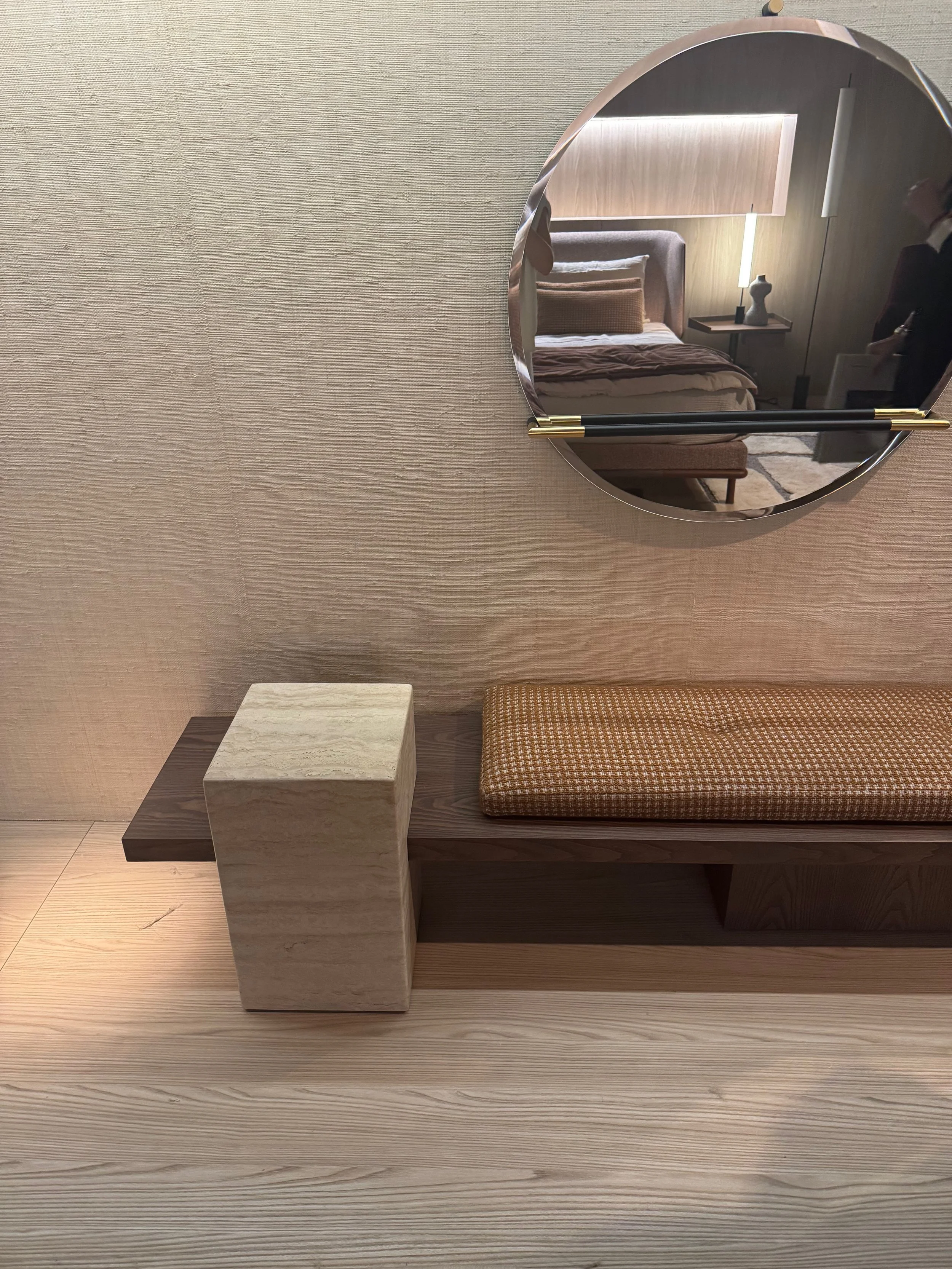
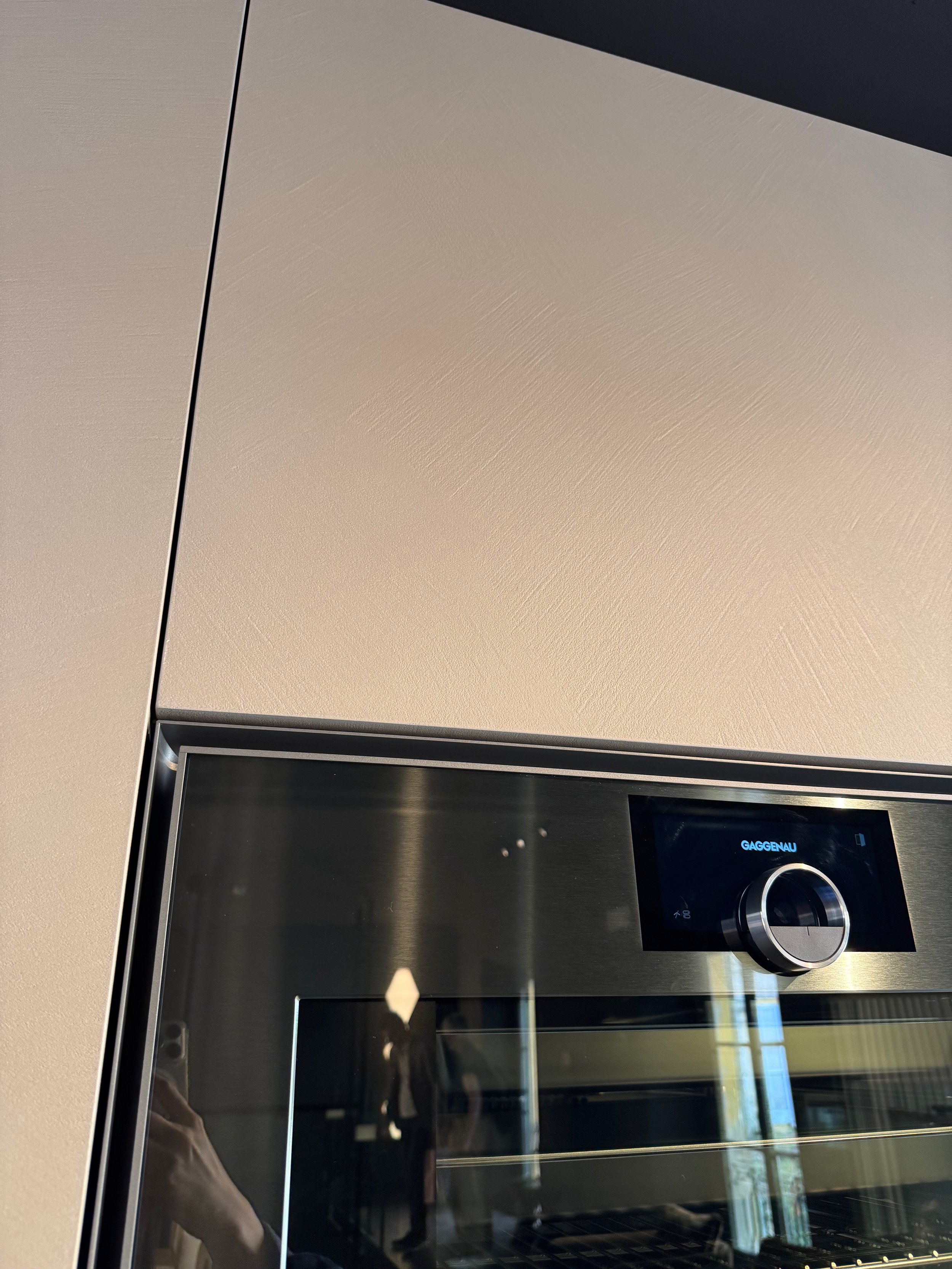
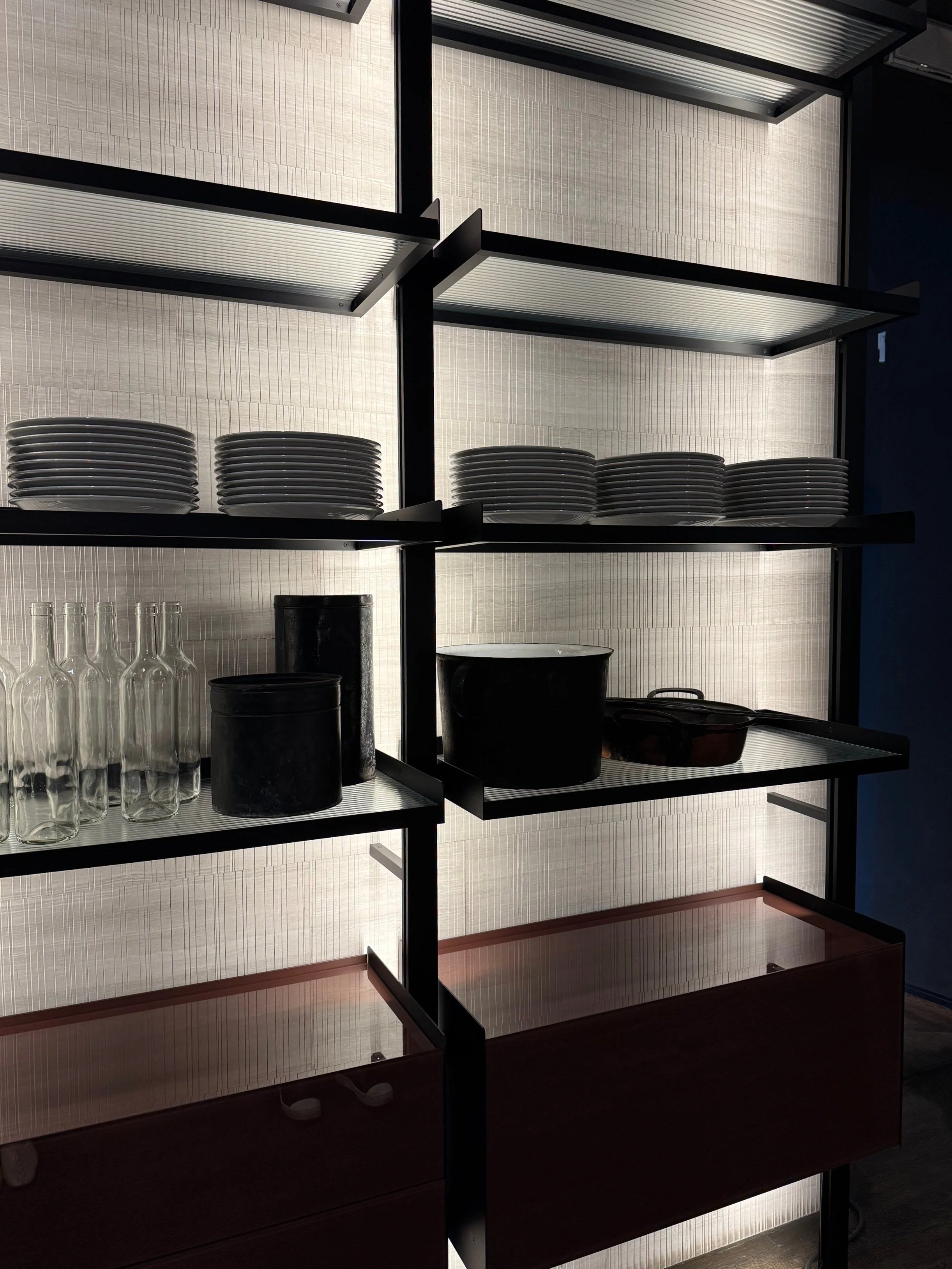
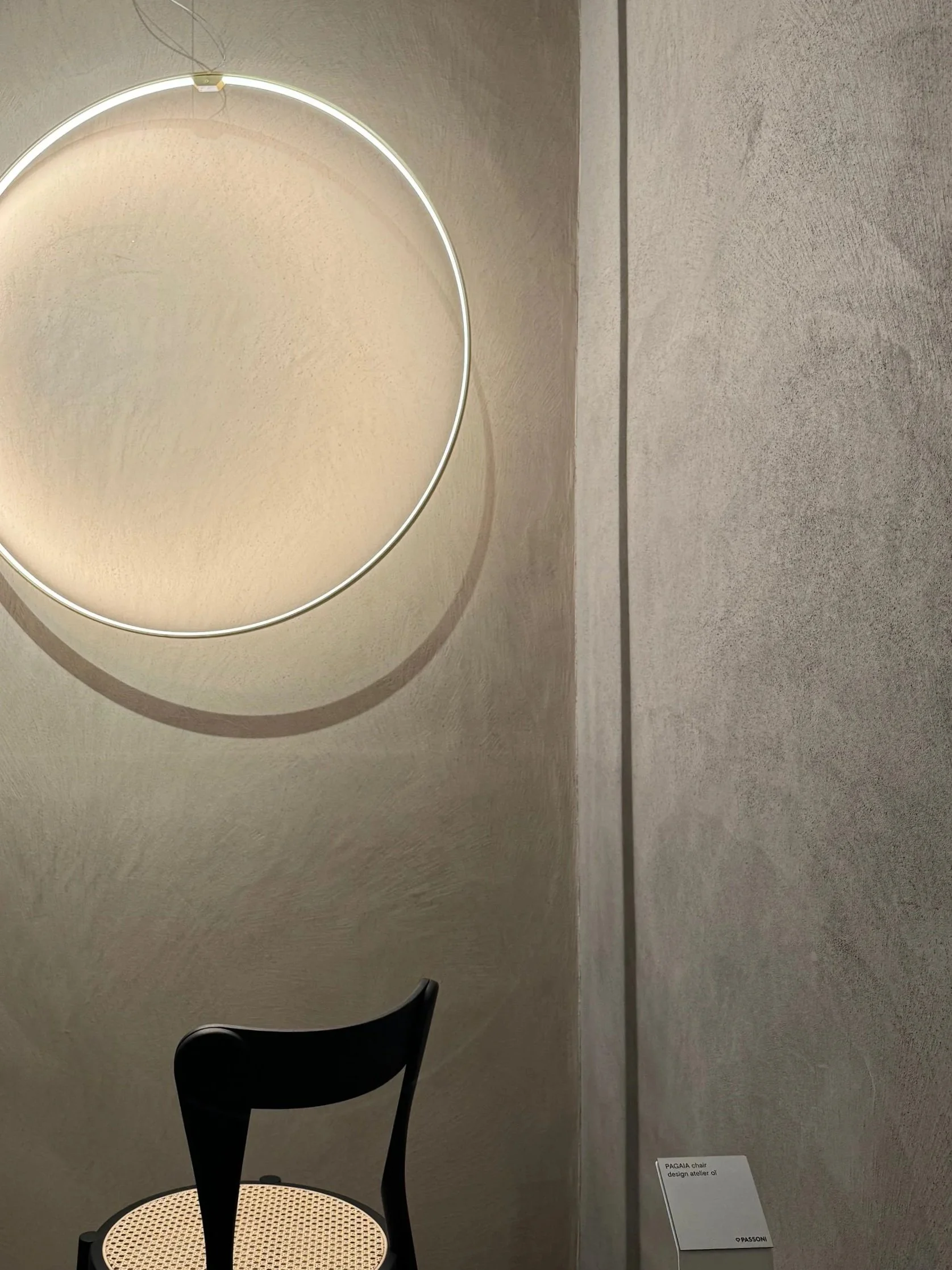
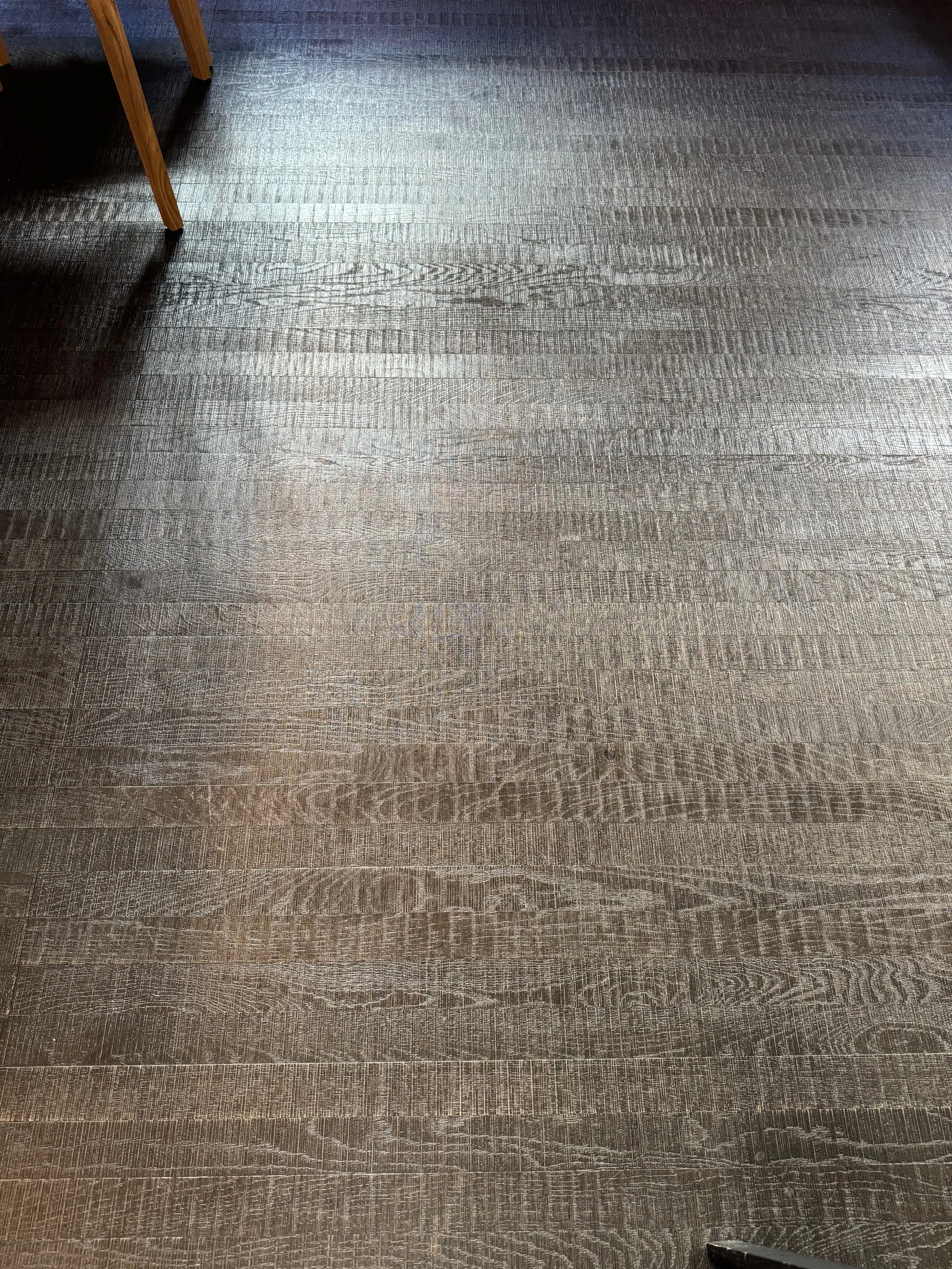
I was also particularly inspired by textured wooden flooring this year. These more tactile and lived-in surfaces brought warmth and softness to otherwise minimal spaces.
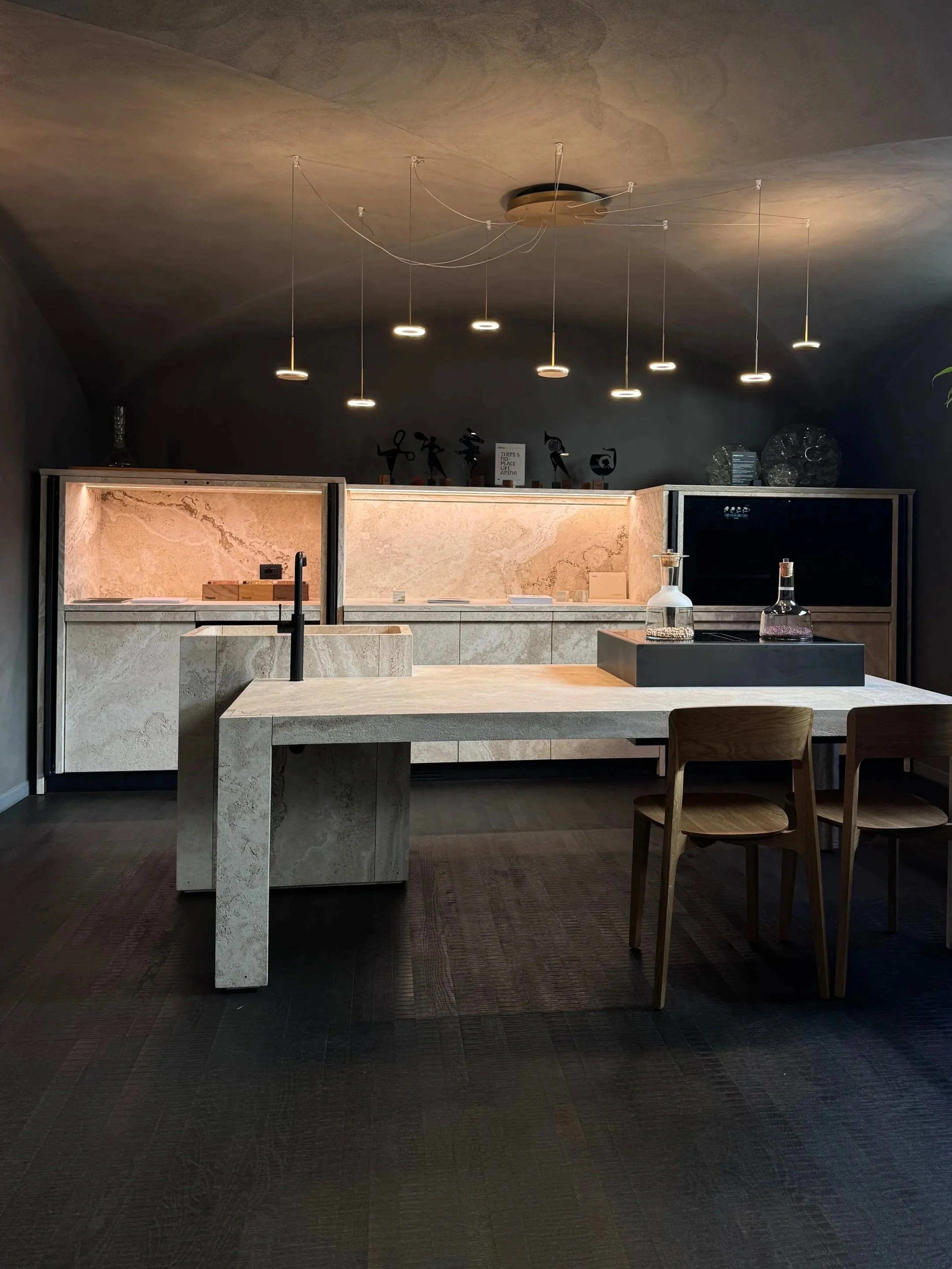
Shiny Surfaces Are Back
For many years, my default preference leaned toward matte and semi-matte finishes.
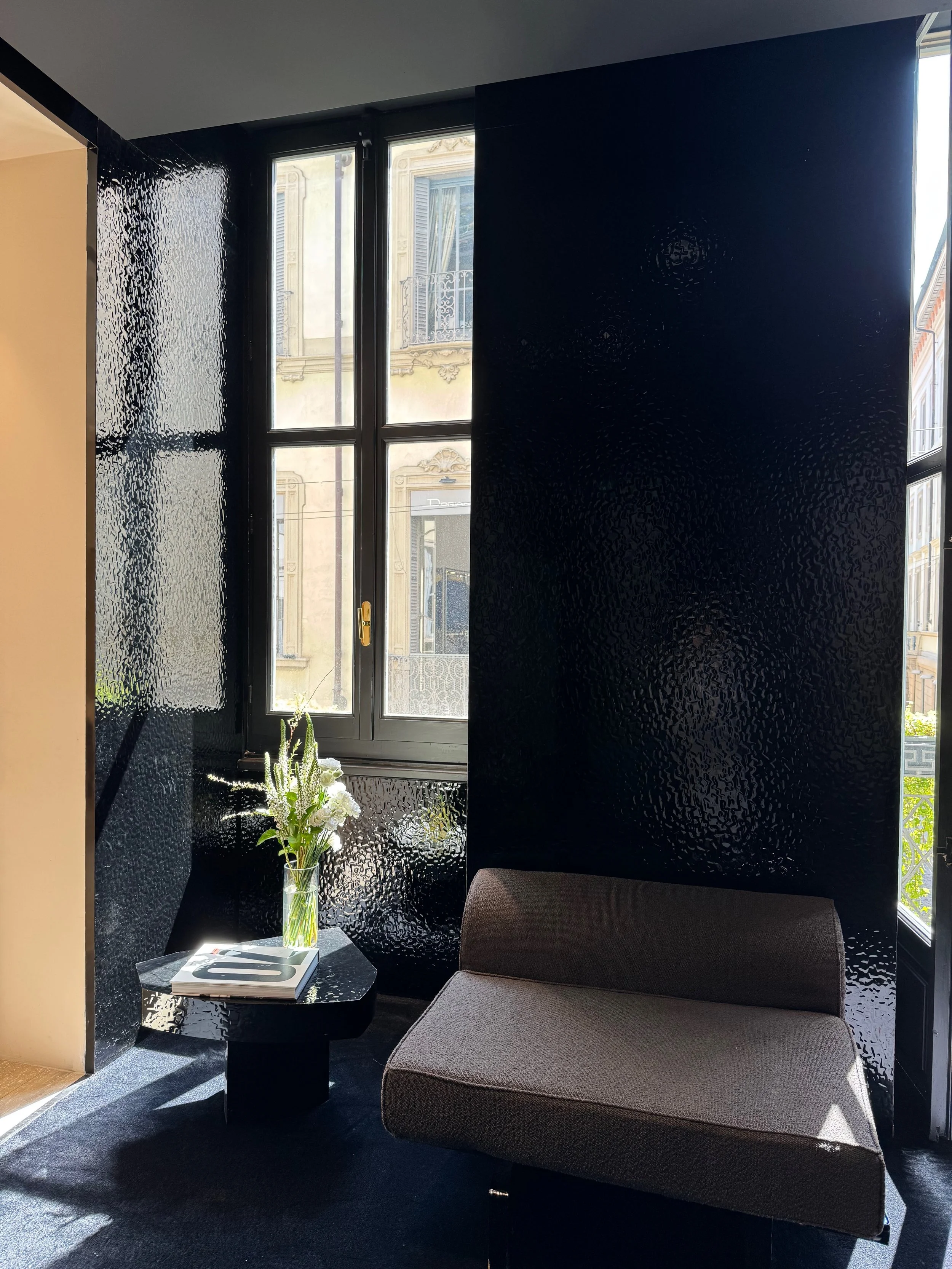
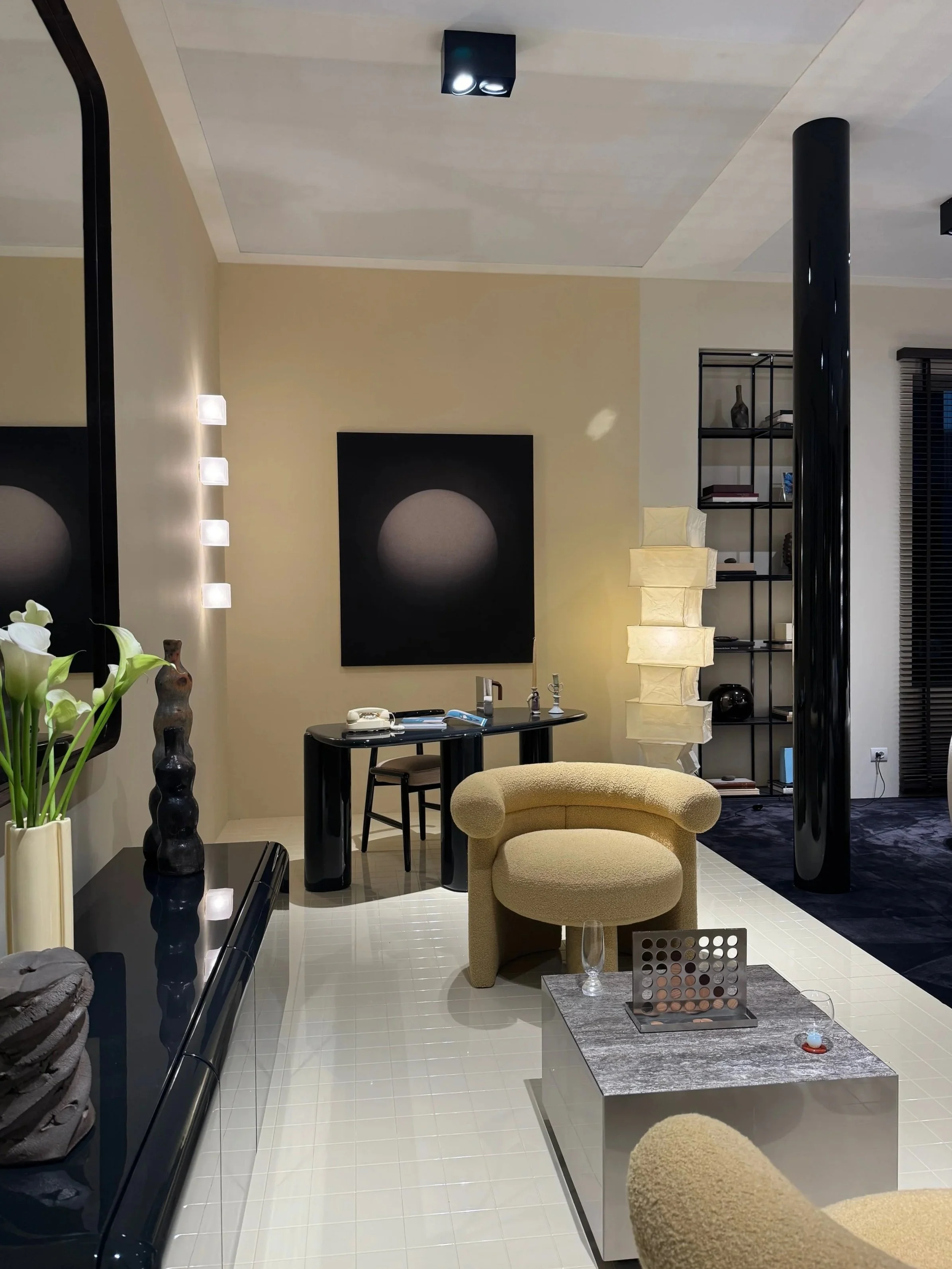
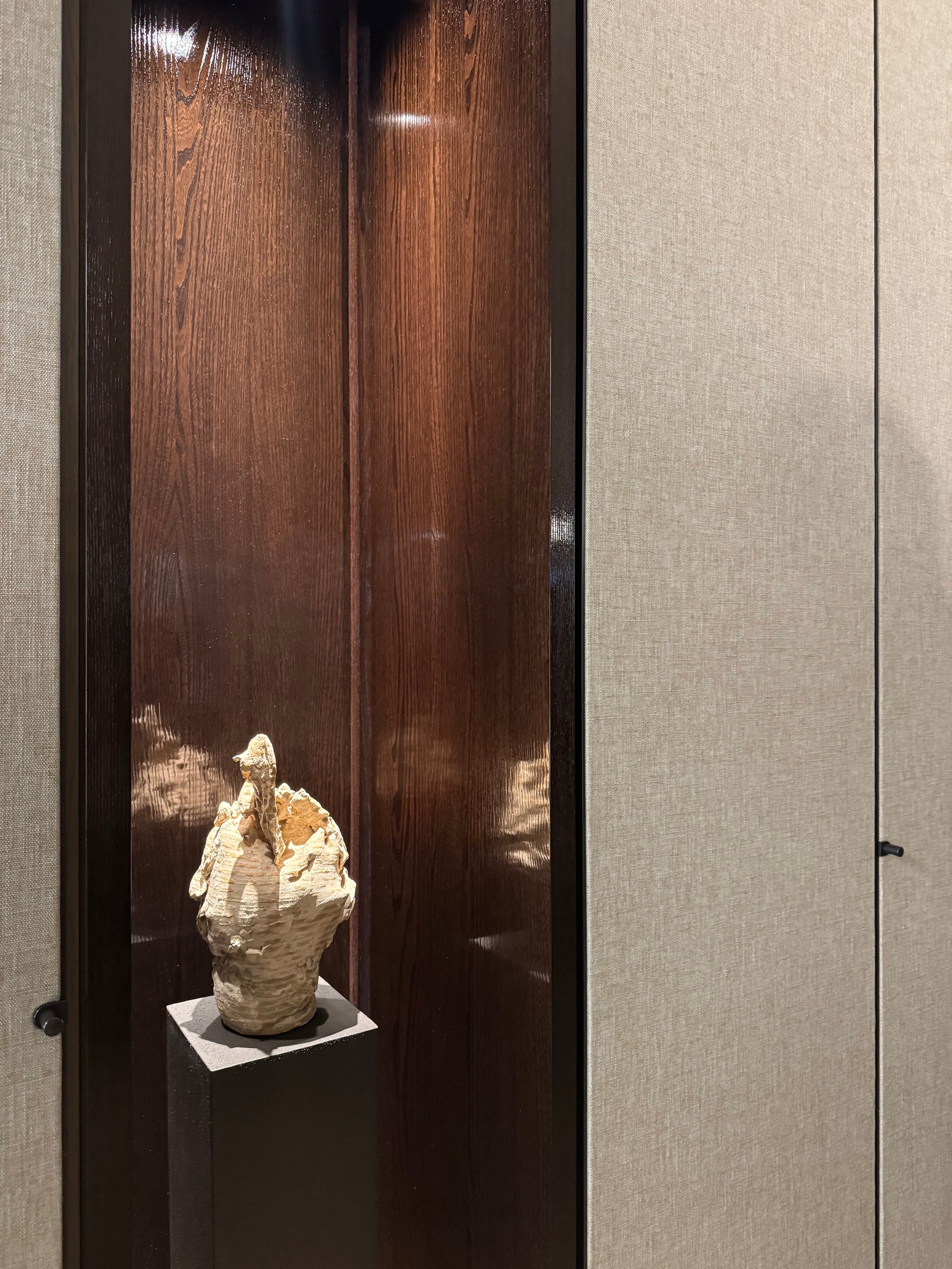
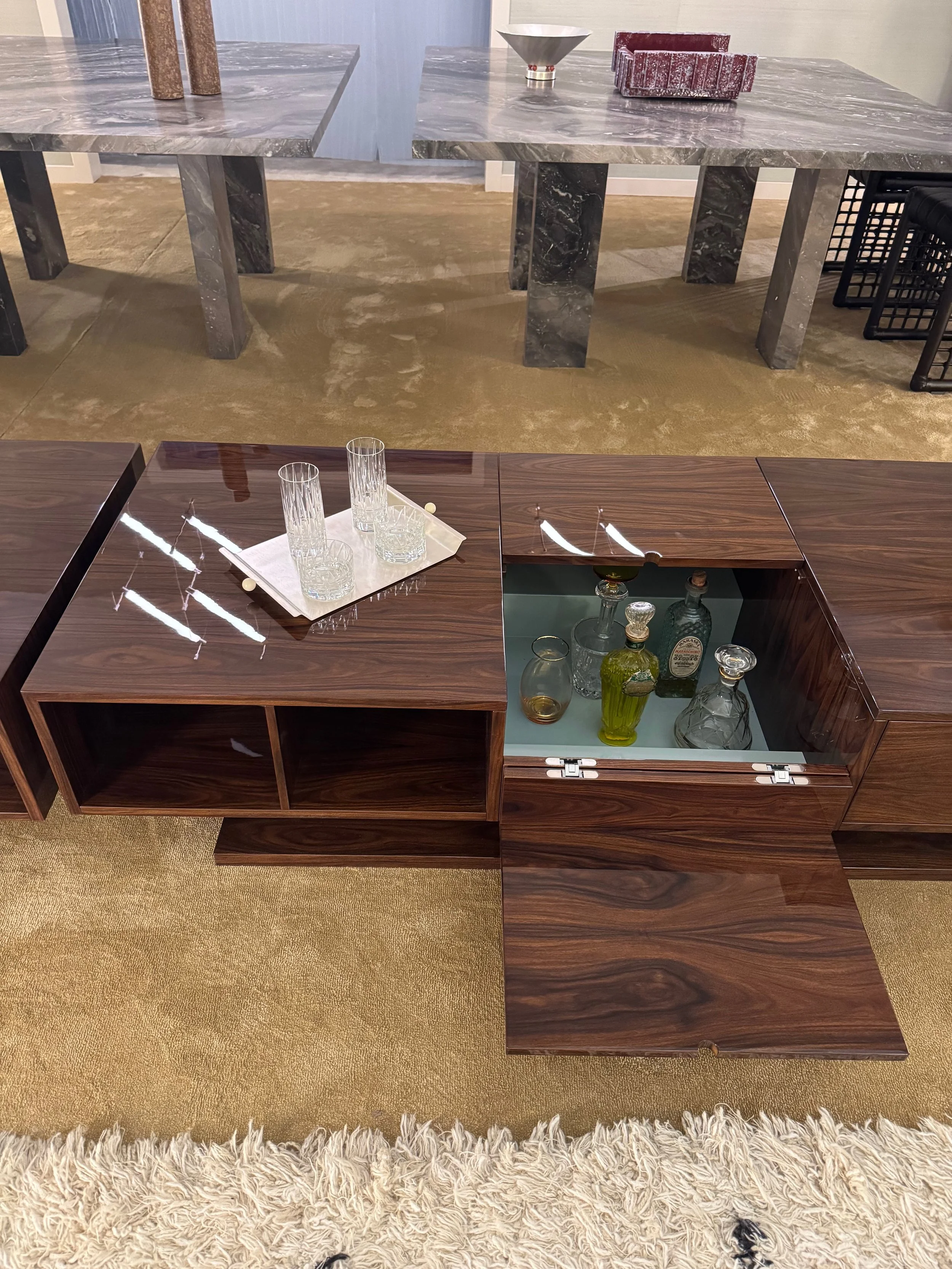
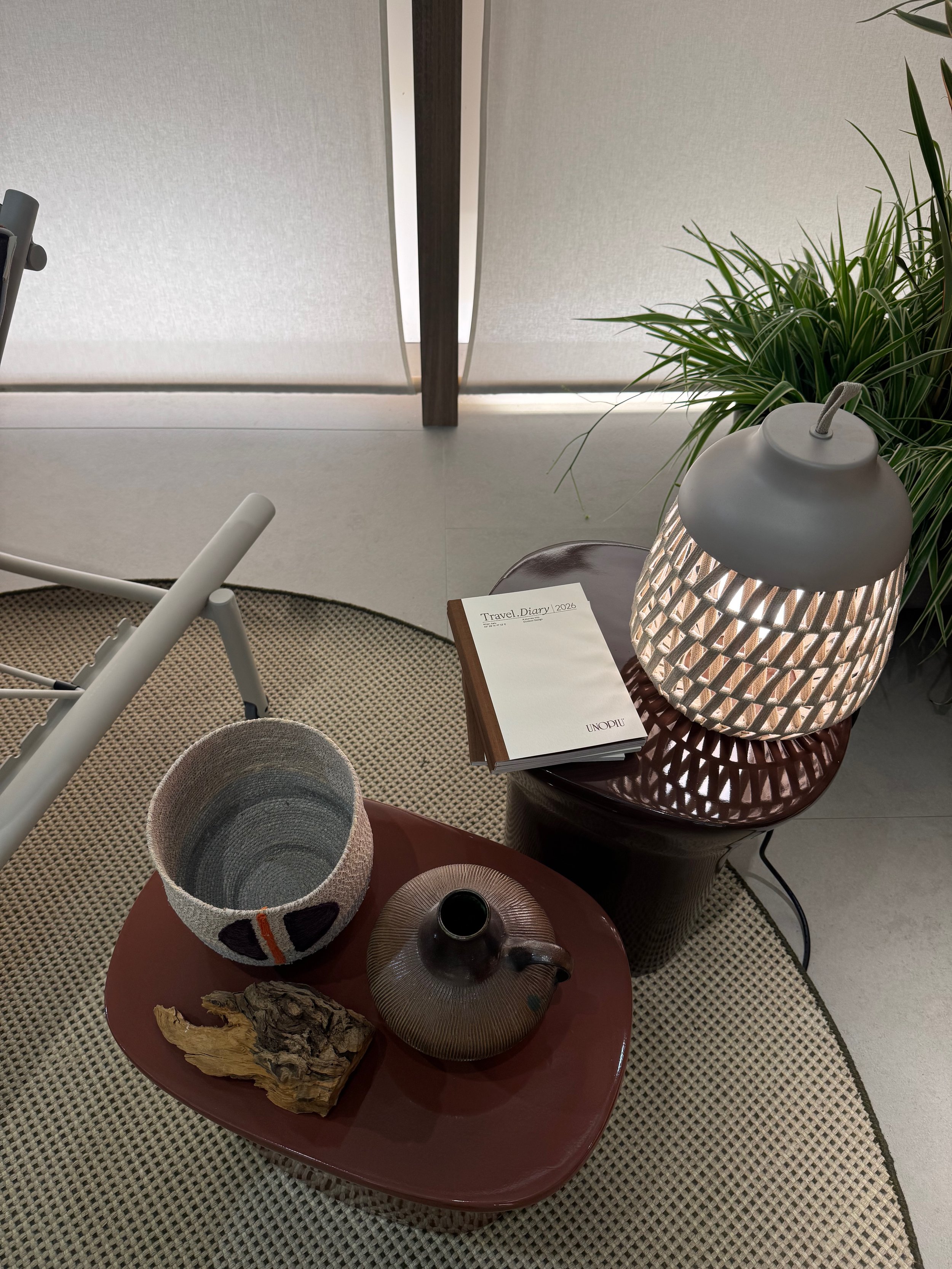
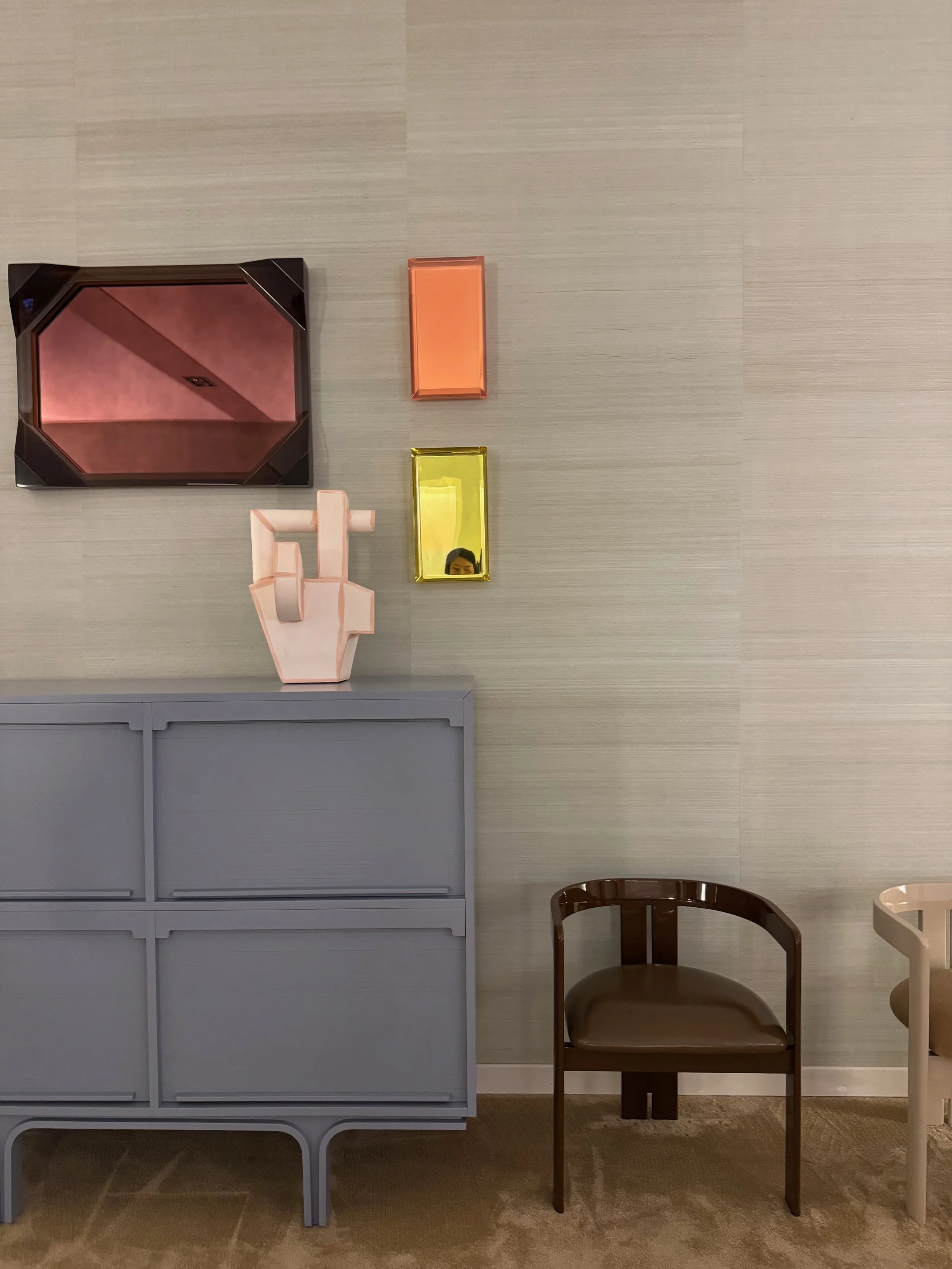
But slowly, I’m becoming more drawn to polished and reflective surfaces — glossy wood and lacquered finishes.
I especially loved shiny black finishes, deep walnut tones, burgundy accents, and warm brown palettes.
The key, however, is balance.
Reflective surfaces become much more powerful when contrasted with softer matte materials nearby.
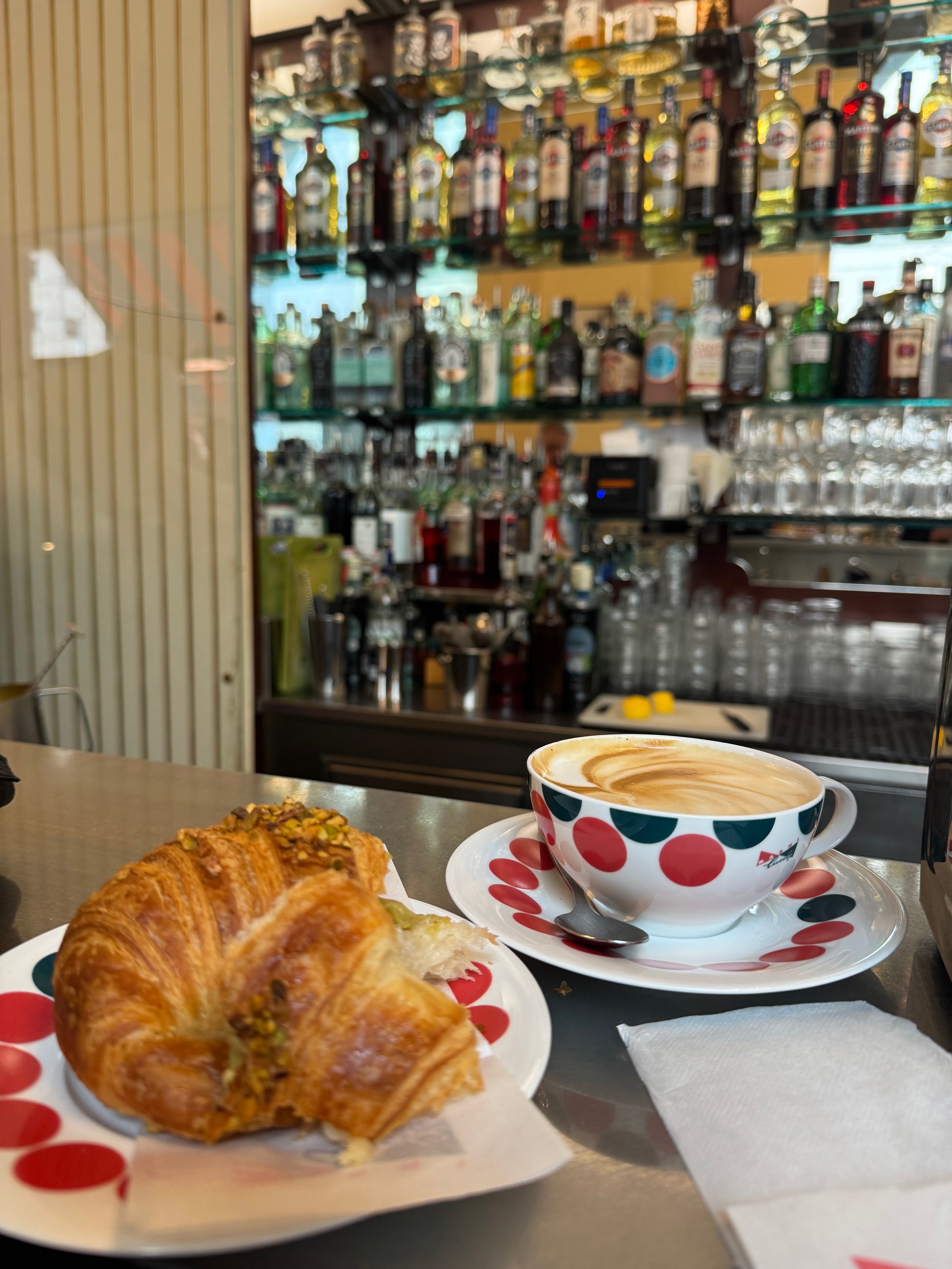
Coffee Is a Lifestyle
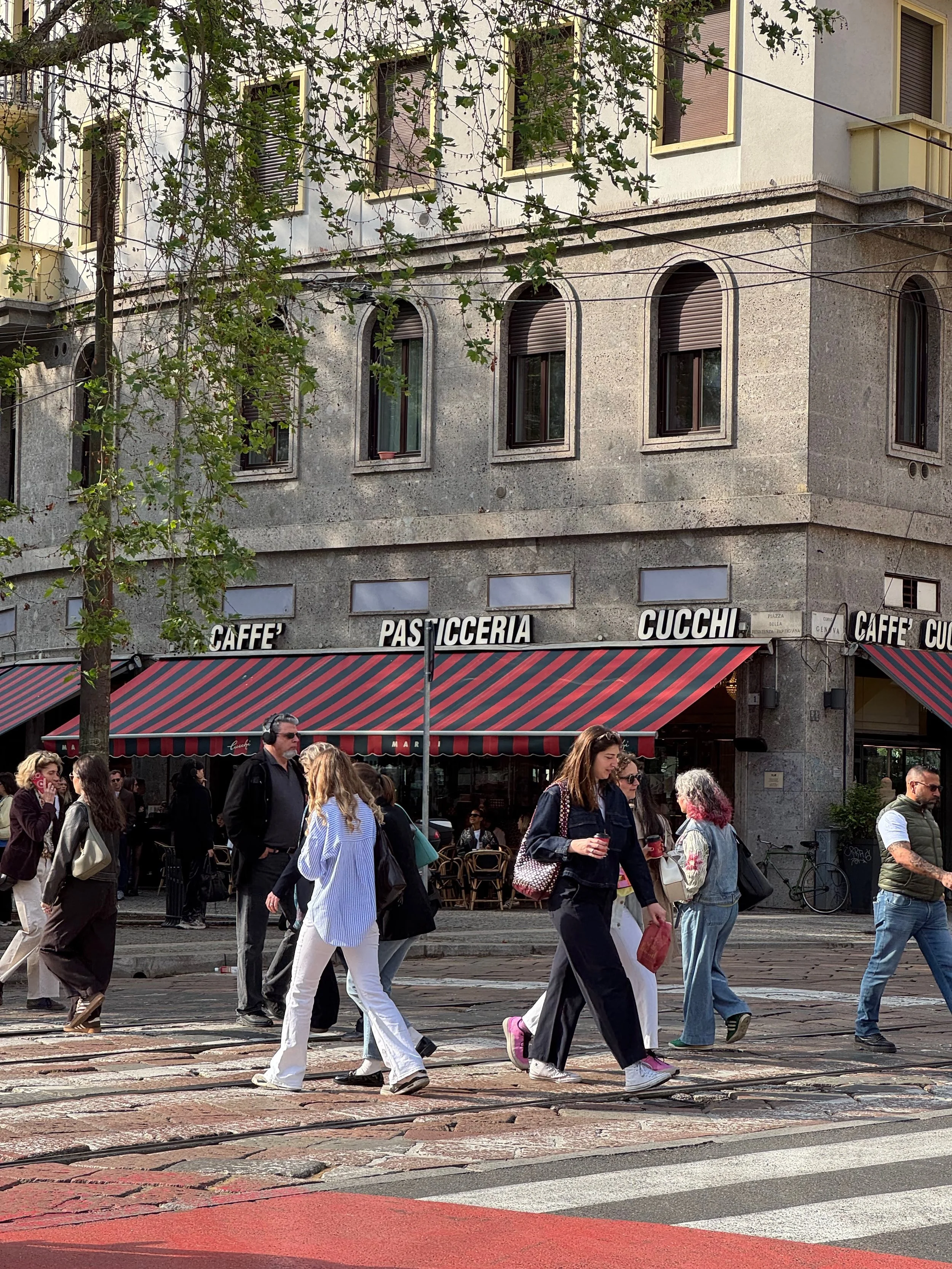
This isn’t specifically about interiors, but Milan constantly reminds me how much coffee can shape atmosphere and everyday rituals.
Whether in small bars, kiosks, or cafés, the coffee culture feels deeply integrated into daily life.
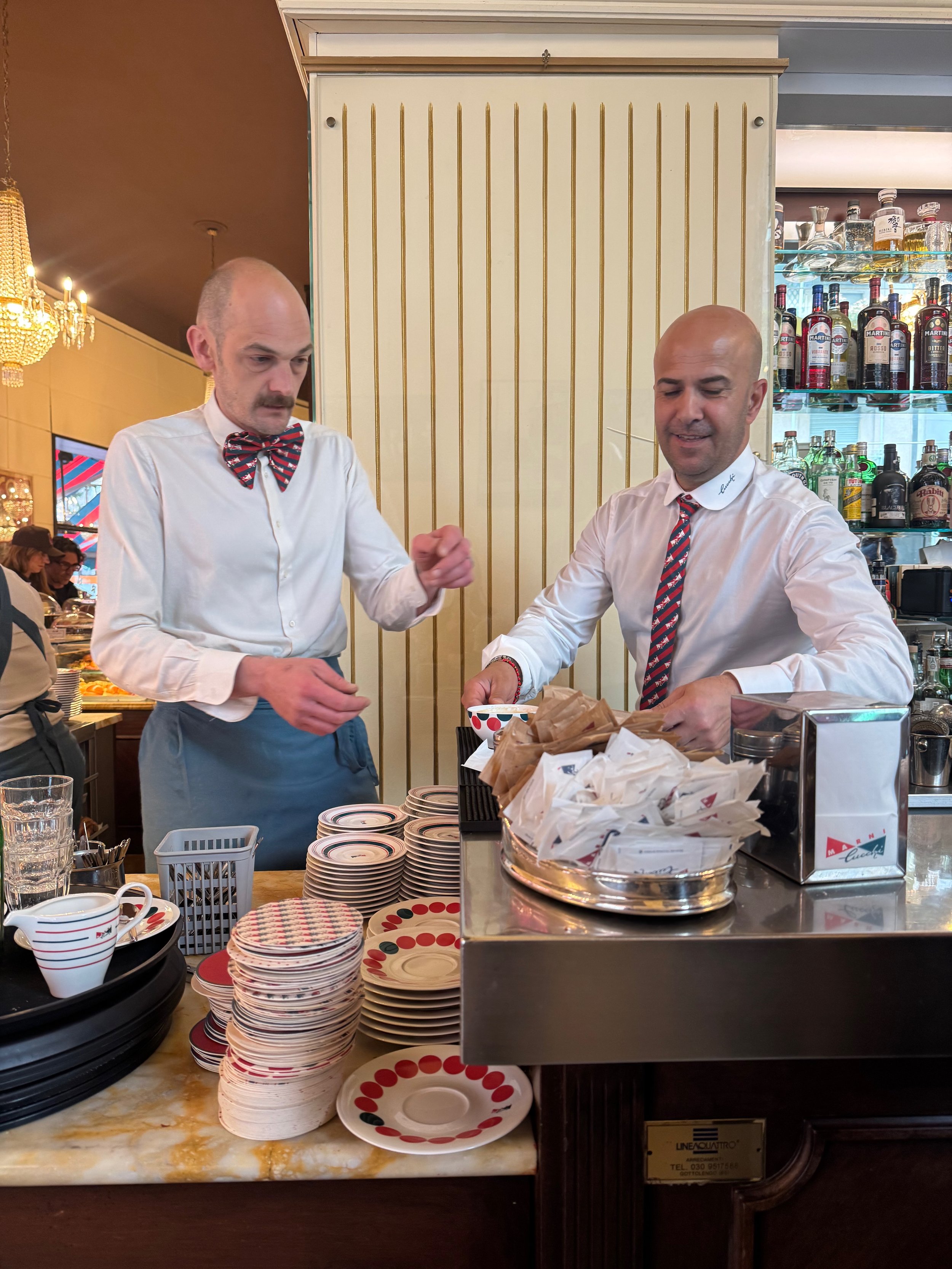
Cappuccinos in the morning, beautiful espresso machines, ceramic mugs, marble counters, and the smell of coffee — all of it feels like part of a lifestyle rather than simply a beverage.
As someone who genuinely loves morning coffee rituals, creating dedicated coffee corners within kitchens and dining spaces has become more important to me.
I also loved seeing coffee stations blended naturally with home bars, bottles, and glassware.
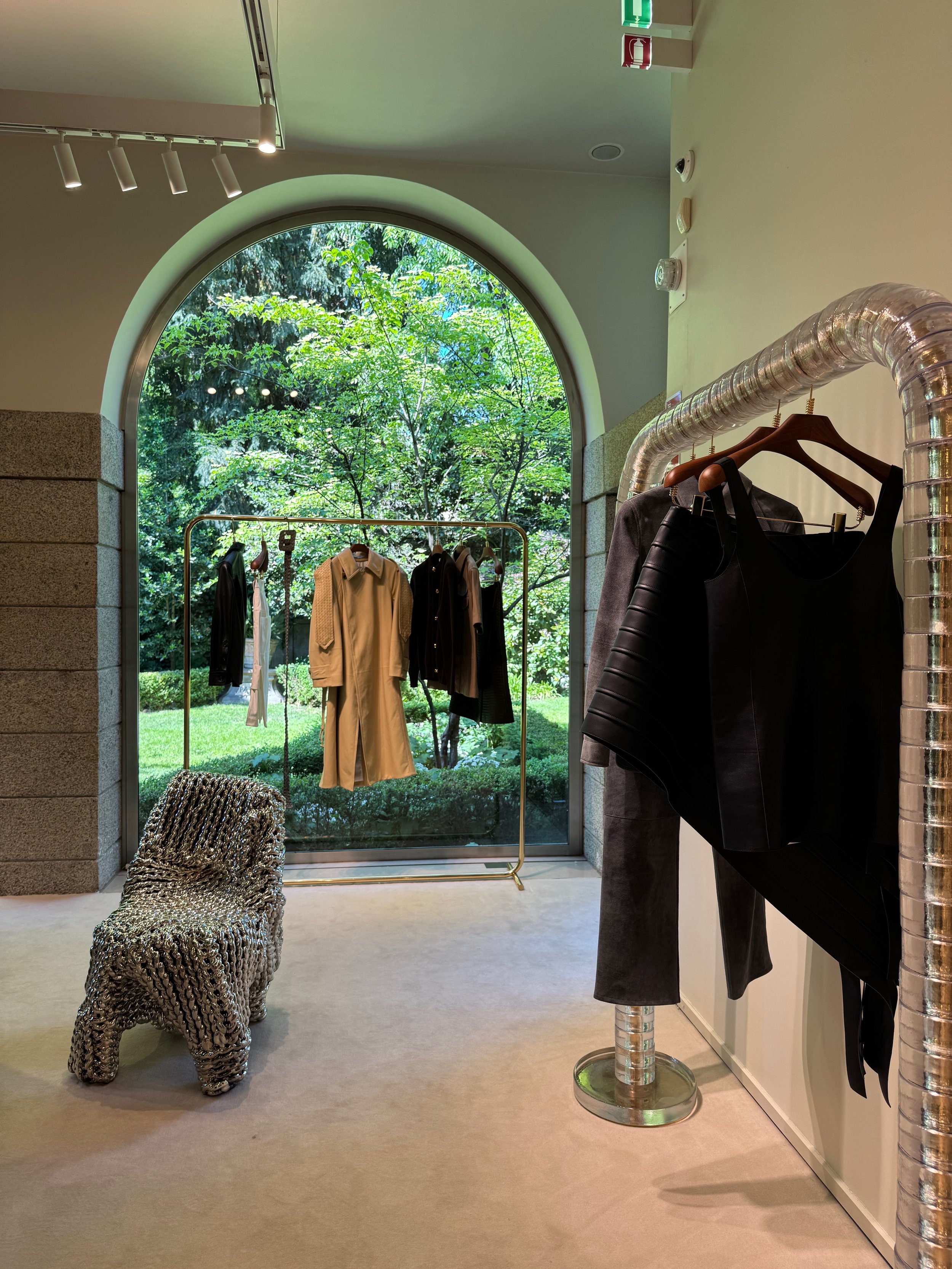
Fashion as Inspiration
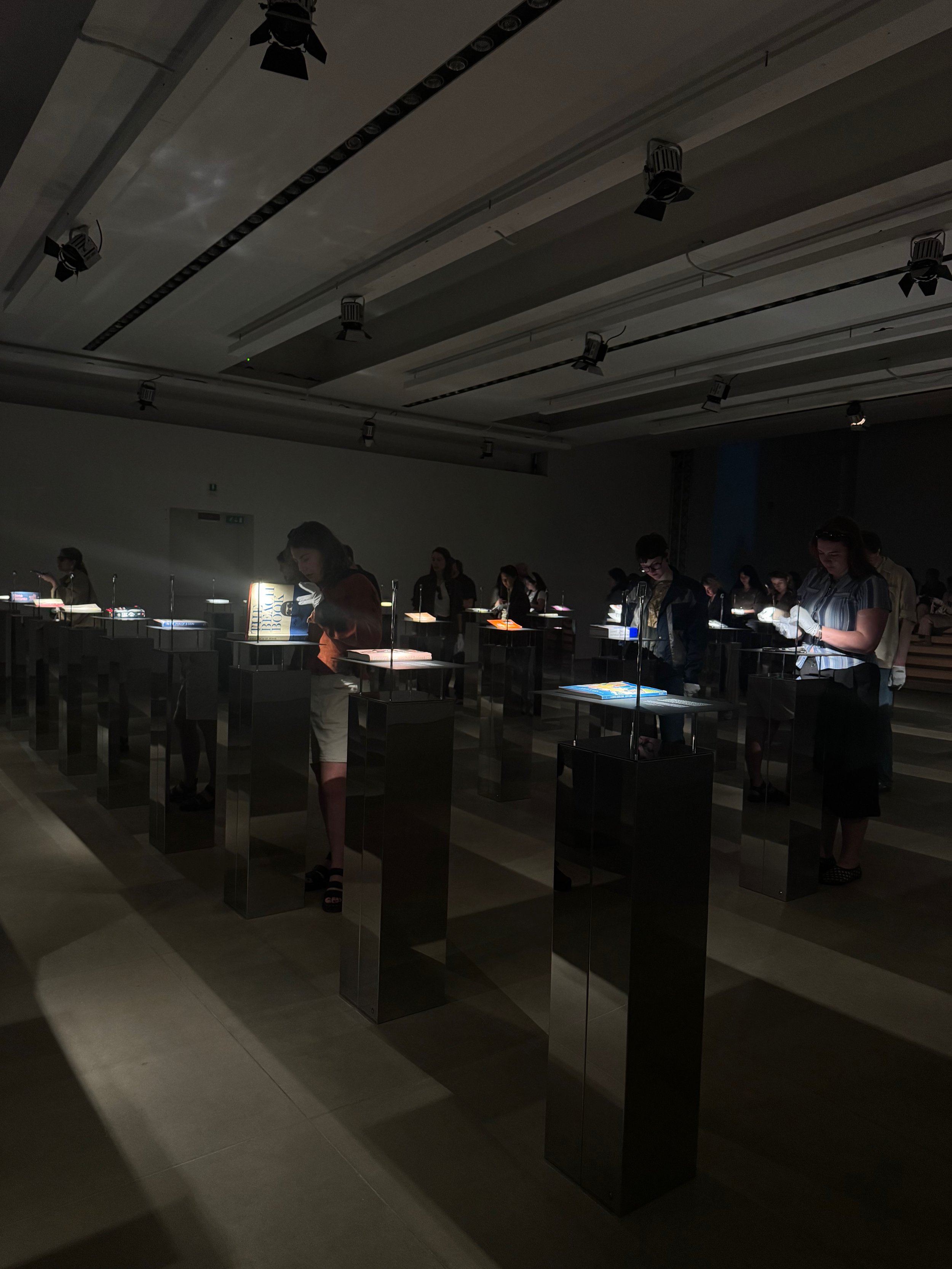
This year, I spent more time exploring fashion-related events and fashion retail spaces alongside interior design exhibitions.
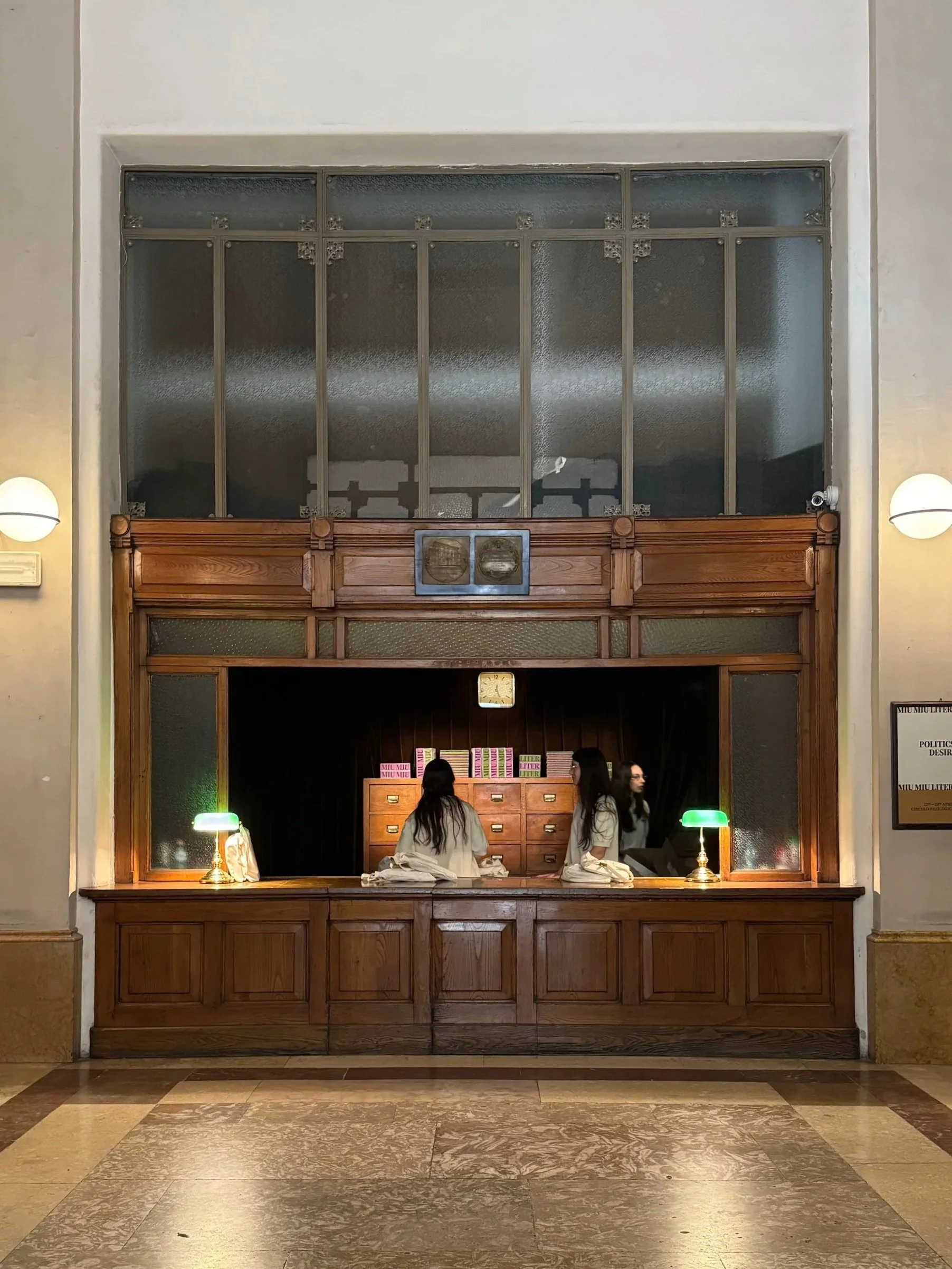
I visited events presented by brands such as Jil Sander, Miu Miu, Gucci, and Byredo, along with many others participating in Milan Design Week.
What inspired me most was the atmosphere they wanted to convey.
Gardens, tea rituals, books, and art — many fashion brands presented lifestyle worlds rather than purely visual spectacle.
As Lifestyle Si’s interests continue to expand into the relationship between interiors, culture, and rituals, these experiences felt especially meaningful.
They reminded me that interior design does not exist separately from the way we live culturally and emotionally.
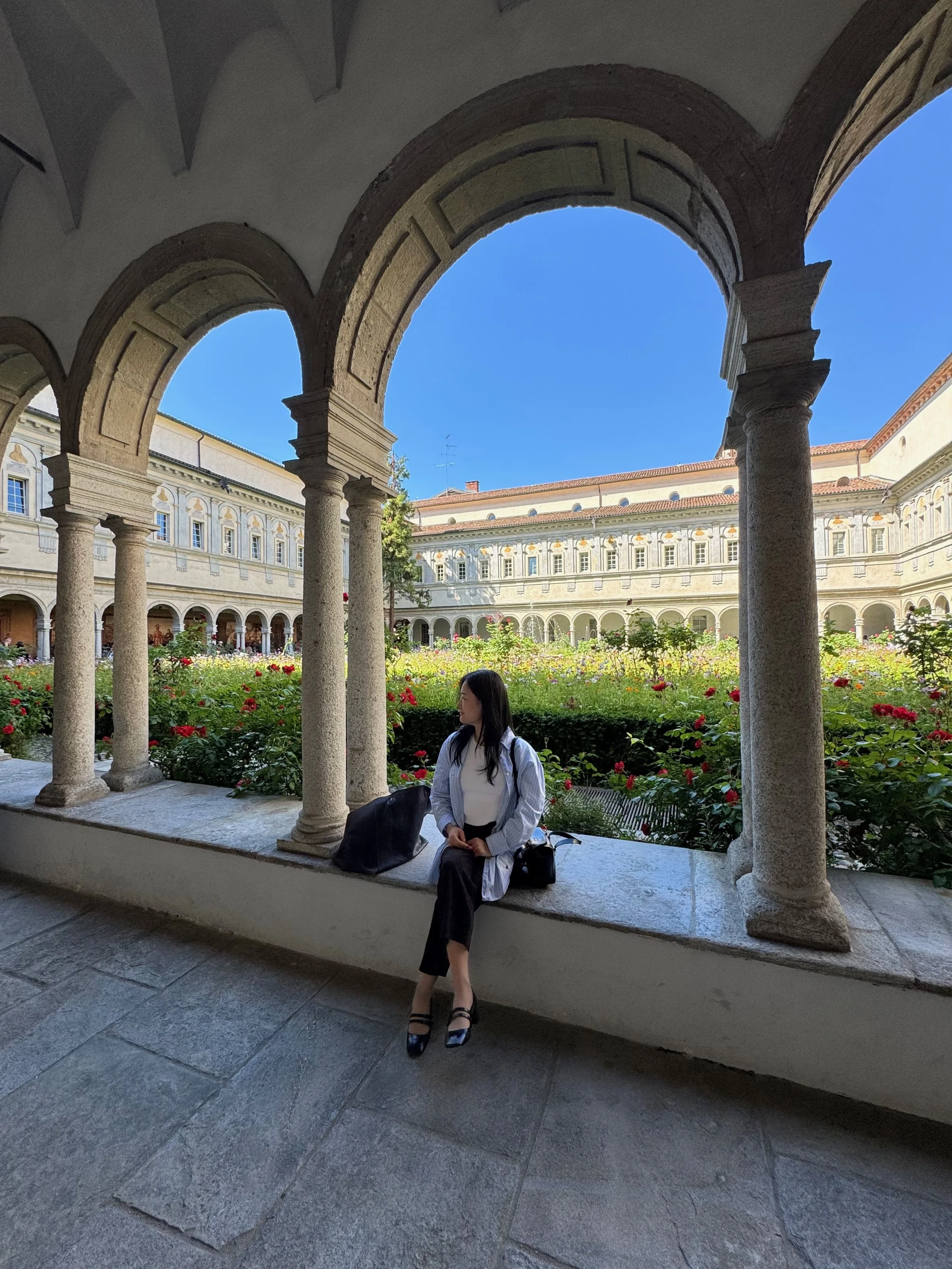
This year marked my 10th visit to Milan Design Week since 2013.
Not every visit was a full week — sometimes I visited only Salone del Mobile for a day — but this year felt especially memorable.
Of course, Milan Design Week has changed significantly over the years. There are growing criticisms around overcrowding, long waiting times, and the increasing dominance of large commercial brands, whereas the event once felt much more niche and industry-focused. But personally, I also think it reflects something positive: design is becoming more integrated into everyday life and culture.
Fashion, interiors, hospitality, art, and lifestyle naturally overlap more than ever.
As an interior designer, I think we simply need to become more selective and personal in how we experience the event and the city.
Milan still excites me.
Even after ten visits, I continue to discover new atmospheres, ideas, and ways of living through the city and its spaces.
Perhaps the biggest lesson this year was not to chase every “must-see” destination, but to experience Milan more slowly and intentionally.
The most memorable moments often came unexpectedly — through discovering smaller venues by chance, conversations, tactile materials, sunlight falling into everyday spaces, coffee breaks in between, and simply the atmosphere of the city itself.
And that, for me, is still the true beauty of Milan Design Week.
